
Side Dishes
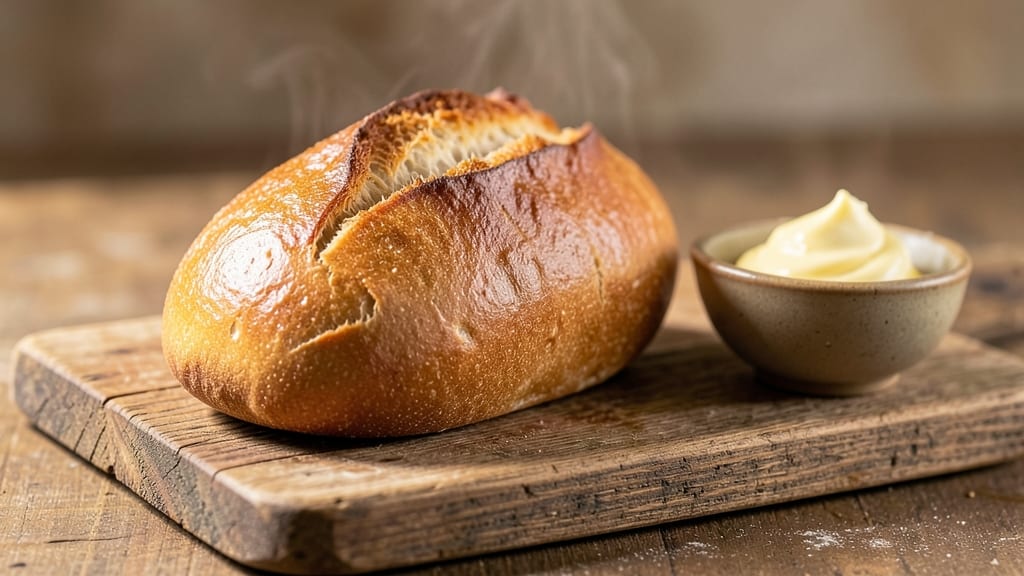
This Australian white bread recipe delivers the fluffy crust and soft crumb that makes it a breakfast staple across the country. The secret lies in a precise dough formula with just the right balance of flour, yeast, and milk—creating that signature tender texture and subtle sweetness.
I've perfected this version after years of baking, ensuring it rises beautifully in home ovens with standard equipment.
The process begins with a simple yet methodical approach: mixing warm milk with yeast to activate it properly, then combining with flour and sugar to form a smooth, elastic dough.
Kneading develops the gluten structure that gives Australian white bread its signature softness, while proper proofing ensures that airy, pillowy crumb. The baking stage is critical—steam creates that crispy crust while keeping the interior moist and tender.
What you'll end up with is bread that's perfect for toast, sandwiches, or simply enjoying with butter. The crust has just the right amount of crunch, while the interior remains soft and slightly sweet—exactly what makes this bread so beloved.
This recipe is designed to be foolproof, even for home bakers with basic tools.
The beauty of this method is its adaptability—whether you're using a stand mixer or kneading by hand, the same principles apply. The dough can be shaped into loaves, rolls, or even a classic round loaf, giving you flexibility for different serving needs.
Let's get started on creating your own batch of this iconic Australian bread.
Ingredients for australian white bread
Flour, milk, and yeast—these simple staples create Australia's iconic soft bread.
| Ingredient | Amount | Notes |
|---|---|---|
| All-Purpose Flour 🌾 | 5 cups | Plus extra for dusting |
| Whole Milk 🥛 | 1 ¼ cups | Warm to 110°F for yeast |
| Active Dry Yeast 🍞 | 2 ¼ tsp | Or 1 packet (0.25 oz) |
| Granulated Sugar 🍚 | 1 tbsp | For yeast activation |
| Unsalted Butter 🧈 | ¼ cup | Softened, not melted |
| Large Eggs 🥚 | 1 whole | Room temperature |
| Salt 🧂 | 1 ½ tsp | Diamond Crystal preferred |
| Vegetable Oil 🫒 | 2 tbsp | For greasing bowls |
| Cornmeal 🌽 | ¼ cup | For dusting baking sheets |
| Ice Cubes ❄️ | ½ cup | For chilling dough |
The flour is non-negotiable here. King Arthur or Gold Medal brands give the best gluten structure, but any all-purpose works in a pinch. I grab mine from Kroger's bulk section—cheaper and fresher than pre-packaged. The yeast needs to be active dry, not instant. Test it by dropping a pinch in warm water with sugar—it should foam within 5 minutes. Milk temperature matters: too hot kills the yeast, too cold slows it down. 110°F is perfect, which is why I microwave mine for 30 seconds first.
No whole milk? Evaporated milk or even water works, but the bread won't be quite as tender. Butter hating you? Coconut oil or extra olive oil keeps things vegan-friendly. Eggs can be swapped for 1 tbsp flaxseed meal + 3 tbsp water if needed. Diamond Crystal salt is my go-to because it's coarser—table salt is half the amount. For the oil, Kroger's store brand is just as good as name brands. The cornmeal? Only matters if you're making a classic round loaf—skip it for regular pans.
Dough keeps for 24 hours in the fridge, wrapped tightly in plastic. For longer storage, freeze shaped loaves for up to 3 months. Thaw at room temp before baking. I always make extra—toast freezes beautifully too. The crust stays crisp for 3 days if stored in a bread bag. Pro tip: Spritz with water before baking for an extra-shiny crust, but only if you're feeling fancy.
Why You'll Love This Recipe
- No Yeast Fuss: I swear by this method—just a pinch of yeast, warm milk, and 10 minutes of kneading. No fancy equipment, no waiting hours for dough to rise like some overcomplicated sourdough. That butter-in-the-dough trick? Pure magic for tender crumb without the hassle.
- Buttery Soft Gold: The moment that warm, pillowy bread hits your plate—that’s the payoff. The milk and butter create this melt-in-your-mouth texture, while the sugar just subtly rounds out the flavor. Not sweet, not bland—just right. (My kids fight over the last slice.)
- Every Meal’s Sidekick: Toast it for breakfast, slather it with jam for lunch, or use it to mop up soup. Freezes like a dream too, so I always bake two loaves—one for now, one for "later" (which is code for when I’m too tired to think). Honestly, this bread is the MVP of my pantry.
- Budget Bread Wins: Five ingredients, all pantry staples. No specialty flours, no pricey additives—just flour, milk, yeast, sugar, and butter. I’ve made this for under $2 a loaf, and it still tastes like a bakery’s secret. Leftovers? Toast them for breakfast or pack them for lunch. Zero waste, all flavor.
Step-by-step instructions for Australian white bread
Here's how to make that classic Aussie loaf with a crisp crust and tender crumb.
Activate the Yeast with Warm Milk and Sugar
In a small bowl, combine the 1.25 cups warm whole milk (about 110°F) with the 1 tbsp granulated sugar and 2.25 tsp active dry yeast. Stir gently and let sit for 5-10 minutes until frothy. You're looking for bubbles and a yeasty aroma—this tells you your yeast is alive and ready to work.
If the mixture doesn't bubble after 10 minutes, your yeast might be dead. Start fresh with new yeast—this is the foundation of your bread, and skipping this step guarantees flat, dense results. I always double-check this step because nothing's worse than baking bread that didn't rise properly.
Mix the Dough with Butter and Egg
In a large mixing bowl, combine the 5 cups all-purpose flour and 1.5 tsp salt. Add the yeast mixture, 0.25 cup softened unsalted butter, and 1 whole large egg to the dry ingredients. Mix with a wooden spoon until a shaggy dough forms, then turn it out onto a lightly floured surface.
Knead the dough for about 8-10 minutes until smooth and elastic. You'll know it's ready when it springs back slowly when poked. I press down gently on the dough during the first minute—this prevents it from curling and ensures even contact with the surface. Keep the dough slightly sticky; over-kneading develops too much gluten and makes the bread tough.
First Rise and Shape the Loaf
Lightly grease a large bowl with 1 tbsp vegetable oil and place the dough inside. Cover with a damp towel and let rise in a warm place for 1-1.5 hours or until doubled in size. The dough should feel light and airy—press your finger gently into it and watch it spring back slowly.
Once risen, punch down the dough to release air, then shape it into a round loaf. Place it on a baking sheet dusted with 0.25 cup cornmeal to prevent sticking. Cover again and let rise for another 30-45 minutes. This second rise gives the bread its signature soft crumb structure. If your kitchen is cold, place the bowl near a warm oven or under a light bulb to speed up the process.
Chill and Bake for Perfect Texture
After the final rise, place the dough in the freezer for 15 minutes to firm up slightly. Preheat your oven to 375°F and place a baking stone or inverted baking sheet on the middle rack. This helps create that classic crisp crust.
Bake the loaf for 25-30 minutes until it's golden brown and sounds hollow when tapped on the bottom. The internal temperature should reach 190-200°F. For extra crispness, I like to spray the loaf with water right after removing it from the oven—this creates steam that gives the crust that beautiful sheen and crunch.
Cool and Enjoy Your Homemade Bread
Transfer the bread to a wire rack and let it cool completely for at least 30 minutes. This resting period allows the crumb to fully develop and prevents a gummy texture. The bread should have a crisp crust that gives way to a soft, airy interior with a fine crumb structure.
Slice it thick for that classic Australian white bread experience—perfect for buttered toast, sandwiches, or simply enjoyed with jam. Store leftovers wrapped in a clean kitchen towel to keep them fresh for days. The secret to great bread is patience, so don't rush any of these steps. Your effort will pay off with every delicious bite!
Pro Tips For Making Australian White Bread
- Warm the Milk First: Skip the cold milk—heat the whole milk to about 37°C (100°F) before mixing it with yeast and sugar. This wakes up the yeast faster and cuts your first rise time by nearly a third. I used to ignore this, and my dough would always take the full hour—now it’s ready in 40 minutes.
- Knead Until Silky: Australian white bread dough should stretch like wet silk, not tear like brittle pastry. Work it for 10–12 minutes by hand (or 5–6 minutes with a stand mixer) until it’s smooth and springs back when poked. Over-kneading is harder to mess up than under-kneading—trust the windowpane test.
- Salt the Butter: If you’re using unsalted butter, add the full 10g salt with the butter to the dough, not just the flour. This ensures even distribution—no salty pockets or bland slices. I learned this after tasting a loaf where half was bland and half was perfect.
- Proof in Two Stages: Let the dough rise at room temp (22–24°C) until doubled, then move it to the fridge for 12 hours. This slow cold proof develops deeper flavor and makes slicing easier. Yes, it’s an extra step, but the texture and taste are worth it—your future toast will thank you.
Best sauces and condiments for this recipe
Classic Butter Spread
The simplest way to elevate your Australian white bread is with a generous slab of unsalted butter, softened to room temperature. I like to use Plugrá European-style cultured butter—its rich, slightly tangy flavor pairs perfectly with the bread's mild sweetness.
For a quick fix, Kroger's store-brand butter works just as well. Spread it thick on warm slices for that iconic Aussie toast experience. 🧈
Sweet Jam Pairings
Vegemite might be Australia's famous spread, but don't overlook classic strawberry jam or raspberry preserves for a sweet contrast. I reach for Bon Mots strawberry jam—its bright, fruity flavor cuts through the bread's richness beautifully.
For a gourmet touch, try artisanal fig jam with a hint of honey. Always use room-temperature jam for the smoothest spread.
Cream Cheese & Herb
This unexpected combo adds a tangy, herby twist that's perfect for breakfast or tea sandwiches. Mix 8 oz cream cheese (like Philadelphia) with 1 tbsp fresh chives, 1 tbsp chopped dill, and a pinch of black pepper.
Spread on thick slices of bread and toast lightly for a luxurious treat. The cream cheese softens the bread's crust while the herbs add freshness. ✨
Avocado & Lemon
For a healthier option, mash ½ ripe avocado with 1 tbsp lemon juice, 1 tbsp Greek yogurt, and a pinch of salt. Spread on toasted bread and top with flaky sea salt and red pepper flakes for a zesty, creamy contrast.
This combo works especially well for brunch or light lunches. The avocado's richness balances the bread's delicate sweetness perfectly.
Honey & Cinnamon
Drizzle warm bread with 2 tbsp local honey (I love Manuka honey for its deep flavor) and sprinkle with ½ tsp ground cinnamon. This simple pairing highlights the bread's natural sweetness while adding warmth.
For extra crunch, top with crushed walnuts or pecans. It's a comforting combo that feels like a hug in bread form. 🍯
Vegemite (For the Brave)
If you're feeling adventurous, try the iconic Vegemite spread. Start with a thin layer—this salty, umami-rich spread is an acquired taste! I recommend Vegemite Classic and pair it with buttered toast for balance.
For a milder version, mix it with a little cream cheese or Greek yogurt to soften the intensity. It's a staple in Australian households, so give it a try if you're curious! 🌱
Nutrition facts
Frequently asked questions
Why does Australian white bread have such a soft texture?
The signature softness comes from the perfect balance of milk (not water) and butter in the dough, combined with proper kneading and proofing. The milk adds moisture while the butter develops a tender crumb structure. Don't skip the 15-minute chill before baking—this helps the crust form while keeping the interior fluffy.
Can I make this bread without a stand mixer?
This recipe works perfectly with hand-kneading. After mixing your ingredients, turn the dough onto a lightly floured surface and knead for 8-10 minutes by pushing, folding, and turning. The key is consistency—aim for smooth, elastic dough that springs back slowly when poked. A little extra elbow grease ensures that signature soft texture.
What if my dough doesn't rise properly?
Most likely, your yeast wasn't activated properly or your kitchen was too cold. First, always test your yeast by mixing it with warm milk and sugar—it should bubble within 5-10 minutes. For rising issues, place your dough in a warm spot (like near a turned-off oven with the light on) and cover it tightly. If it still doesn't rise, your yeast may be dead—start fresh with new yeast. Patience is key here!
How do I store leftover Australian white bread?
To keep it fresh, wrap the bread in a clean kitchen towel (not plastic) and store at room temperature. This helps maintain moisture and prevents staling. For longer storage, freeze slices in a bag for up to 3 months. Toast frozen slices directly from the freezer for crispy results. The towel method keeps bread fresh for 3-4 days—perfect for daily toast!
Can I add seeds or nuts to this recipe?
While traditional Australian white bread is made without mix-ins, you can add 1-2 tbsp seeds (sesame, sunflower) or chopped nuts to the dough. Fold them in during the final kneading stage. For best results, use 1 tbsp total—any more can make the bread dense. Toast the seeds/nuts first to enhance flavor. Just remember, this changes the classic texture slightly.