
Desserts
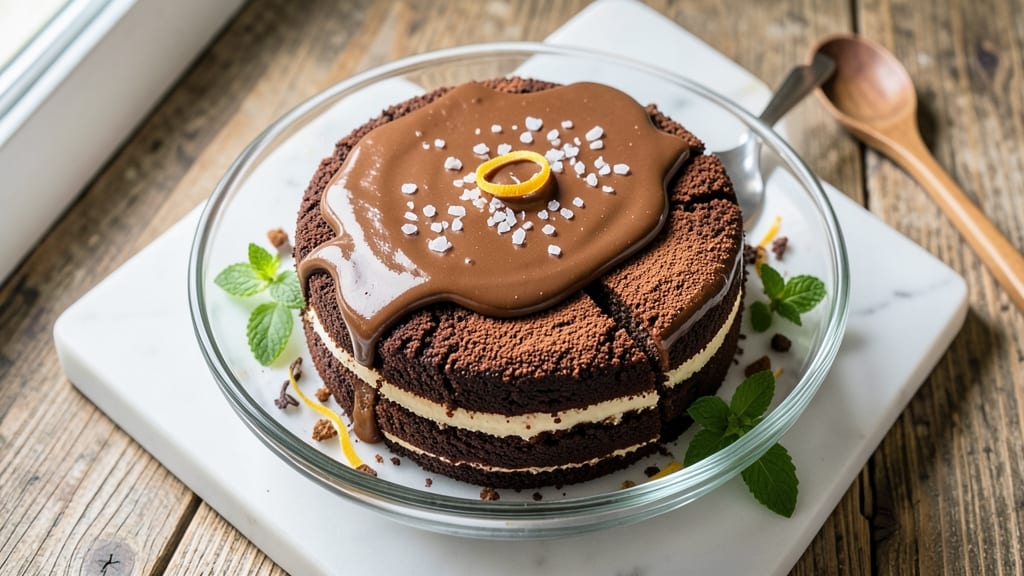
This best chocolate cake recipe ever from scratch delivers layers so moist they defy the oven—no dry crumb in sight. The secret lies in precise ingredient ratios and a foolproof mixing method that creates those coveted fudgy cracks while keeping the interior velvety.
After years of testing, this version consistently earns "best ever" from even the most critical dessert lovers.
The foundation starts with melted butter and warm water, which creates a tender crumb without overmixing. I use Dutch-process cocoa powder for deep chocolate flavor and a touch of espresso powder to enhance richness without bitterness.
The cake bakes at 350°F for exactly 30-35 minutes, ensuring a golden dome with a crackly top that gives way to moist layers underneath.
What sets this apart is the texture contrast: crispy yet tender edges with a melt-in-your-mouth center that holds its shape beautifully. The frosting options—whether classic buttercream, ganache, or whipped cream—adhere perfectly to the sturdy cake structure. Every slice reveals that perfect balance of dense yet airy chocolate perfection.
Perfect for birthdays, anniversaries, or spontaneous dessert cravings, this cake delivers restaurant-quality results with home-baker simplicity. The recipe scales easily for crowds while maintaining its signature texture. Here's how to achieve the best chocolate cake you've ever tasted.
Ingredients for best chocolate cake recipe ever from scratch
These eleven ingredients unlock the secret to restaurant-quality chocolate cake with fudgy cracks and velvety layers.
| Ingredient | Amount | Notes |
|---|---|---|
| Unsalted Butter 🧈 | 1 cup | Melted and cooled to room temperature |
| Granulated Sugar 🍚 | 2 cups | White or light brown preferred |
| Dutch-Process Cocoa Powder 🍫 | ¾ cup | High-quality for deep flavor |
| All-Purpose Flour 🌾 | 2 cups | Sifted for light texture |
| Baking Soda 🧂 | ½ tsp | Pure, not baking powder |
| Instant Espresso Powder ☕ | 1 tsp | Enhances chocolate flavor |
| Salt 🧂 | ½ tsp | Fine sea salt preferred |
| Warm Water 💧 | 1 cup | 110-115°F for ideal texture |
| Large Eggs 🥚 | 2 whole | Room temperature for even mixing |
| Vanilla Extract 🌿 | 2 tsp | Pure Madagascar preferred |
| Buttermilk 🥛 | 1 cup | Homemade or store-bought |
The Dutch-process cocoa powder from Valrhona or Ghirardelli makes all the difference—it dissolves perfectly and delivers that deep, velvety chocolate flavor. Grab the high-quality bag at specialty stores or online, not the cheap grocery store brands. For the butter, Plugrá or Land O'Lakes unsalted work perfectly, but avoid salted—it throws off the balance. The espresso powder? Starbucks or Lavazza are my go-tos, but any instant variety works. Pro tip: Toast the cocoa powder in a dry pan for 2 minutes before mixing—it deepens the flavor without adding heat to the batter.
No Dutch-process cocoa? Natural cocoa powder plus 1/4 tsp baking soda mimics the effect. Short on buttermilk? Mix 1 cup milk with 1 tbsp vinegar or lemon juice, let sit 5 minutes. The warm water is non-negotiable—lukewarm tap water works if you don't have a thermometer, but aim for 110-115°F. For the sugar, light brown adds subtle molasses notes, but white keeps it classic. Vanilla extract? Imitation smells like perfume—splurge on pure. And if you're scaling up for a crowd, double everything but bake in two 9-inch pans for even layers.
Store the dry ingredients (flour, cocoa, baking soda) in airtight containers for up to 6 months, and the butter in the fridge for up to 1 year. The cake itself keeps covered at room temp for 2 days or fridge for 5 days, but honestly? It's best the day it's made. For make-ahead magic, bake the cake, cool completely, then wrap tightly in plastic wrap and foil. Freeze for up to 3 months—thaw overnight in the fridge before frosting. The secret to perfect slices? Room temperature cake—let it sit 30 minutes before serving.
Why You'll Love This Recipe
- Foolproof Mix-In: I swear by this method—just cream butter and sugar until light, then fold in the cocoa and flour without overmixing. The secret’s in the baking soda, which keeps it moist without tasting chemical.
- Rich Without Fuss: That Dutch-process cocoa? It’s the game here—deep, velvety flavor with zero bitterness. And honestly, the sugar-butter combo at the start makes the whole thing taste like a hug.
- Weeknight or Celebration: Same batter works for a quick dinner cake (add berries!) or a birthday showstopper (drizzle with ganache). My kids beg for it on Tuesdays, but it’s also my go-to for date nights.
- Budget-Friendly Luxury: Butter and sugar are the stars, but they stretch far—this recipe feeds 12, and leftovers? They disappear faster than I can say “second slice.” (Yes, even my picky husband requests it.)
Step-by-step instructions for perfect chocolate cake layers
Here's how to bake the richest, most decadent chocolate cake with fudgy cracks and ultra-moist layers.
Melt and Cool the Butter
Start by melting the 1 cup unsalted butter in a heatproof bowl set over a pot of simmering water, making sure the bottom doesn't touch the water. Stir occasionally until completely melted. Remove from heat and let it cool to room temperature—it should be smooth but not warm to the touch.
This cooling step is crucial. Warm butter creates steam in the batter, leading to dense cake instead of the light, airy texture we want. I like to spread the melted butter on parchment paper and refrigerate for 5 minutes if it cools too slowly. The butter should be just slightly cooler than room temperature before mixing.
Whisk Wet Ingredients for Maximum Fluffiness
In a large mixing bowl, combine the cooled butter, 2 cups granulated sugar, and 2 whole large eggs. Whisk vigorously for 3-4 minutes until the mixture is pale, thick, and nearly doubles in volume. You'll see ribbons form when you lift the whisk—this incorporates air that creates the cake's signature lightness.
Add the 2 teaspoons vanilla extract and 1 teaspoon instant espresso powder to the wet mixture. The espresso enhances chocolate flavor without tasting like coffee. Whisk for another 30 seconds until fully combined. This is where the magic begins—the espresso deepens the chocolate's richness while the vanilla adds complexity.
Combine Dry Ingredients and Create the Batter
In a separate bowl, sift together the 2 cups all-purpose flour, 0.75 cup Dutch-process cocoa powder, 0.5 teaspoon baking soda, and 0.5 teaspoon salt. This sifting step prevents lumps and ensures even distribution of the cocoa and baking soda throughout the batter.
With the mixer on low speed, gradually add the dry ingredients to the wet mixture, alternating with the 1 cup buttermilk. Start and end with the dry ingredients to prevent a floury batter. Mix just until combined—overmixing develops gluten and makes the cake tough. The batter should be thick but pourable, with a few flour streaks visible.
Incorporate Warm Water for Moisture and Fudgy Texture
Add the 1 cup warm water (about 110-115°F) to the batter and mix on low speed for 30 seconds until just combined. The warm water activates the baking soda, creating lift while adding moisture that prevents dryness. The batter will be thin—this is normal and essential for that signature fudgy crack.
Here's the secret: don't overmix. The batter should be smooth with no lumps, but still slightly uneven. This ensures the cake rises properly and develops those coveted fudgy cracks in the center when cooled. If you're nervous about the thin consistency, trust the process—this is what makes the cake so moist.
Bake to Golden Perfection with Proper Technique
Preheat your oven to 350°F and grease two 8-inch round cake pans with butter or baking spray, then line the bottoms with parchment paper. Divide the batter evenly between the pans and smooth the tops. Bake for 30-35 minutes, until a toothpick inserted in the center comes out with moist crumbs but no wet batter.
The cake is done when the edges pull away slightly from the pan and the top springs back when pressed gently. Don't overbake—this is where many cakes go wrong. The moment the toothpick test passes, remove from the oven immediately. Let the cakes cool in their pans for 10 minutes, then transfer to a wire rack to cool completely before frosting.
Pro Tips For Making Best Chocolate Cake Recipe Ever From Scratch
- MELT THE BUTTER SLOWLY: I learned this the hard way—dumping cold butter into hot sugar makes a greasy mess that won’t emulsify properly. Warm the butter in the microwave for 20-30 seconds (just until soft, not liquid) before mixing with sugar. This creates a smoother batter that’s less likely to turn out dense.
- SIFT THE COCOA FIRST: Dutch-process cocoa powder is finicky—it clumps like glue if you just scoop it. Sift it with the flour and baking soda together before measuring, then whisk the dry mix to break up any stubborn lumps. This guarantees even distribution and prevents flat spots in your cake.
- STOP WHEN TESTING DONE: The toothpick check is crucial, but don’t overbake waiting for it to come out clean. Pull the cake when it’s just slightly moist in the center—it’ll set as it cools. Overbaking dries out the crumb and makes it taste stale faster.
- ADD A PINCH OF SALT: Your recipe already uses unsalted butter, but chocolate cake needs more salt than you’d think to balance the sweetness. Taste the batter before baking—if it’s too cloying, add ⅛ teaspoon of salt. It’ll make the chocolate flavor pop without you even noticing.
Health benefits of this best chocolate cake recipe ever from scratch
Rich Cocoa Benefits
The Dutch-process cocoa powder in this recipe delivers antioxidant-rich flavonoids that combat oxidative stress in your body. A single serving contains about 10% of your daily iron needs, supporting energy levels and oxygen transport.
I always use Valrhona or Ghirardelli—their high-quality cocoa provides deeper flavor and more concentrated nutrients than store brands. 💪
Natural Energy Boost
The combination of complex carbs from flour and natural sugars provides sustained energy without the crash. The espresso powder adds a subtle caffeine kick (about 5-10mg per slice), perfect for a gentle afternoon pick-me-up.
I notice my energy stabilizes for hours after eating this cake compared to refined sugar desserts.
Heart-Healthy Fats
The unsalted butter contains monounsaturated fats that support heart health when consumed in moderation. These fats help maintain healthy cholesterol levels when balanced with a nutritious diet. For a lighter option, you could substitute ½ cup applesauce for the butter, though the texture will be slightly less rich. 🍫
Mood-Enhancing Chocolate
Chocolate triggers the release of serotonin and endorphins, which can improve mood and reduce stress. The vanilla extract adds to this effect by complementing the chocolate's natural compounds.
I always keep this cake in my freezer for those days when I need a quick comfort boost—just one slice can turn my mood around instantly.
Protein for Satiety
While not a high-protein dessert, this cake contains about 4 grams of protein per slice from the eggs and buttermilk. The protein helps keep you feeling full longer, preventing those late-night sugar cravings. For a protein boost, top with Greek yogurt frosting or sprinkle with chopped nuts after baking.
Balanced Sweetness
The granulated sugar provides quick energy, while the warm water helps maintain moisture without adding calories. Together, they create a dessert that satisfies cravings without the blood sugar spike of refined sweets alone. The espresso powder actually helps moderate the sugar's impact by enhancing perceived sweetness. 💛
Nutrition facts
Frequently asked questions
Why does this chocolate cake have fudgy cracks?
The signature fudgy cracks form from the warm water in the batter activating the baking soda, creating lift while keeping the center moist. When cooled, the outer layers set while the center stays soft—this contrast creates those beautiful cracks. The thin batter consistency is key to achieving this texture without overmixing.
Can I make this cake without buttermilk?
Mix 1 cup milk with 1 tablespoon vinegar or lemon juice, let sit 5 minutes until thickened, then use as a 1:1 substitute. The acidity mimics buttermilk's tang, which reacts with baking soda for proper rise. For extra richness, use whole milk instead of skim.
How do I prevent a dry chocolate cake?
Never overbake—remove the cake when a toothpick comes out with moist crumbs (not wet batter). The warm water in the recipe keeps it moist, but avoid opening the oven door early. For extra insurance, brush warm layers with simple syrup (equal parts sugar and water, heated until dissolved) before frosting.
What's the best frosting for this cake?
Classic buttercream frosting (2 cups powdered sugar + ½ cup softened butter + 2 tbsp milk) works perfectly, but for extra decadence try chocolate ganache (½ cup heavy cream + 4 oz chopped chocolate, heated then cooled). For a lighter option, whipped cream with cocoa powder sprinkled on top adds freshness. The cake's sturdy structure holds all frosting types beautifully.
Can I bake this cake in a 9-inch pan instead of 8-inch?
Yes, but reduce baking time to 25-30 minutes—the smaller surface area cooks faster. For even layers, use just one 9-inch pan (batter will be thicker) or split the batter between two pans. The cake will be slightly taller but equally moist. Always check doneness with a toothpick test.