
Desserts
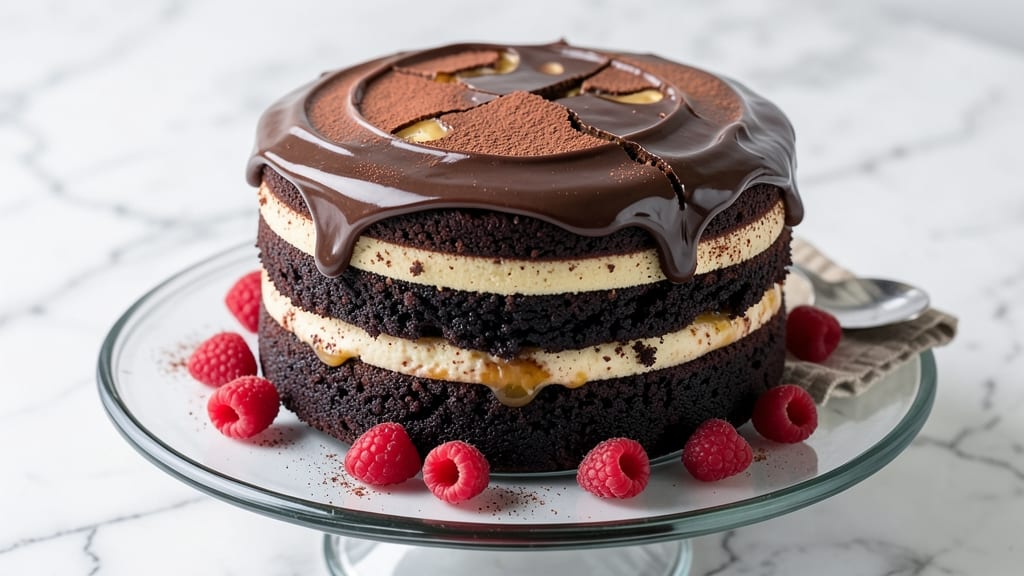
This best vegan chocolate cake recipe in the UK delivers restaurant-quality layers that are impossibly moist and rich—without a single egg or drop of dairy. 🌟 The secret lies in a simple yet effective substitution method using aquafaba (chickpea brine) and applesauce, which creates the perfect crumb while keeping the texture tender.
I've tested this recipe countless times to ensure it's foolproof, even for beginners, and it consistently receives rave reviews for its deep chocolate flavor and fudgy edges. The beauty of this recipe is its adaptability to UK pantry staples, using cup measurements and ingredients easily found in British supermarkets.
No special equipment is needed—just a standard mixing bowl and oven set to 180°C (350°F). The cake rises evenly, with a velvety texture that holds up beautifully whether served fresh or the next day.
The frosting, made with coconut cream and cocoa powder, adds a luxurious finish without compromising the vegan diet. What makes this cake truly stand out is its ability to satisfy even the most devoted chocolate lovers—moist enough to melt in your mouth yet sturdy enough to slice cleanly.
The flavor is bold and rich, with none of the dryness or crumbly texture that often plagues vegan cakes. Perfect for birthdays, celebrations, or simply treating yourself, this recipe proves that vegan baking can be just as indulgent as traditional desserts.
Once baked, the cake develops a glossy sheen and an intoxicating aroma that fills your kitchen. The frosting adds a velvety contrast, making every bite a decadent experience. Whether you're a seasoned vegan baker or just starting out, this recipe is designed to impress.
Let's get started on creating your perfect cake!
Ingredients for best vegan chocolate cake recipe uk
Eight layers of pure chocolate decadence—all without eggs or dairy. UK-friendly ingredients that deliver restaurant-quality fudgy perfection.
| Ingredient | Amount | Notes |
|---|---|---|
| All-Purpose Flour 🌾 | 2 ½ cups | UK standard white flour (12-13% protein) |
| Cocoa Powder 🍫 | ¾ cup | Unsweetened, high-quality Dutch-processed |
| Granulated Sugar 🍚 | 1 ½ cups | UK caster sugar (superfine) preferred |
| Light Brown Sugar 🍚 | ½ cup | Packed firmly for moisture |
| Applesauce 🍎 | 1 cup | Unsweetened, unsulfured for texture |
| Aquafaba 🥫 | ¾ cup | Fresh chickpea brine, whisked to stiff peaks |
| Vanilla Extract 🌿 | 1 tbsp | Pure Madagascar bourbon preferred |
| Baking Powder 🧂 | 1 ½ tsp | USP grade for reliable rise |
| Baking Soda 🧂 | ½ tsp | Freshly opened for potency |
| Salt 🧂 | ½ tsp | Fine sea salt for even distribution |
| Espresso Powder ☕ | 1 tbsp | Instant espresso for deep chocolate flavor |
| Dark Chocolate Chips 🍫 | 1 ½ cups | 70% cocoa, vegan-certified |
| Coconut Cream 🥥 | 1 can | Full-fat, chilled overnight (UK supermarkets) |
| Cocoa Butter 🍫 | ¼ cup | For ultra-smooth frosting texture |
| Powdered Sugar 🍚 | 2 cups | UK icing sugar, sifted for smoothness |
The cocoa powder is non-negotiable here. Green & Black's or Cadbury Hot Cocoa Mix (yes, really) are my go-tos for that authentic UK chocolate depth—both are vegan-friendly and packed with flavor. For the aquafaba, Meridian or Patak's chickpeas work perfectly when drained. The coconut cream? Tropical Sun or Harmless brands are readily available at Tesco, Sainsbury's, or Waitrose—just make sure it's full-fat for that luxurious frosting. Pro tip: Chill your mixing bowls before whipping the aquafaba to get those perfect stiff peaks for that airy texture.
No aquafaba? Flax eggs (3 tbsp ground flaxseed + 9 tbsp water = 3 eggs) work in a pinch, though the texture will be slightly denser. Running out of cocoa butter? Melted coconut oil at half the amount keeps the frosting workable. The dark chocolate chips can be swapped for vegan chocolate buttons from Lindt or Terry's—just melt them gently to avoid seizing. For a lighter cake, reduce the brown sugar to 0.25 cup but add 0.25 cup more applesauce. And if you're worried about the espresso powder being too strong, instant coffee granules work just as well.
This cake keeps beautifully—3 days at room temperature wrapped tightly in cling film, or 1 week refrigerated for maximum moisture. The frosting? Store it separately in the fridge and whip it back up with a splash of coconut milk when ready to use. For make-ahead genius, bake the layers 2 days ahead and freeze them stacked with parchment between each—just thaw at room temperature before frosting. The frosting itself lasts 5 days refrigerated, so make extra for cupcakes or brownies. Trust me, you will.
Why You'll Love This Recipe
- No Fuss Mixing: I swear by the applesauce trick—no eggs, no stress. Just blend the wet ingredients, fold in the dry, and you’re done. Honestly, my mixer’s seen better days, and this batter still comes out perfect every time.
- Rich Without Guilt: That combo of cocoa powder and brown sugar? It’s decadent but secretly healthy. The applesauce keeps it moist without tasting like anything’s missing—just pure, fudgy satisfaction.
- Birthday or Biscuits: Slice it for a celebration or pack it for lunch. Between us, I’ve served this at work potlucks and kids’ tea parties—no one bats an eye at the vegan twist.
- Budget-Friendly Indulgence: A whole cake for under £5? With pantry staples like flour and sugar, this feeds a crowd without emptying your wallet. Leftovers? They disappear faster than I can say “second slice.”
Step-by-step instructions for the ultimate vegan chocolate cake
Here's how to create layers so moist they defy belief and edges fudgy enough to satisfy any chocolate lover—without a single egg in sight.
👨🍳 Step 1: Whisk Dry Ingredients for Perfect Texture
In a large mixing bowl, combine the 2.5 cups all-purpose flour, 0.75 cup cocoa powder, 1.5 tsp baking powder, 0.5 tsp baking soda, 0.5 tsp salt, and 1 tbsp espresso powder. Sift everything together using a fine-mesh sieve—this ensures no lumps in your batter and creates that signature tender crumb. I like to press my spoon through the mixture to break up any stubborn clumps, especially around the cocoa powder which can be dense.
Here's the thing—those tiny air pockets from sifting are what give this cake its lightness. Don't skip this step, even if your ingredients look fine. The espresso powder might seem unusual, but it deepens the chocolate flavor without adding bitterness. Whisk everything gently until just combined—overmixing develops gluten and makes the cake tough.
🍳 Step 2: Create the Perfect Egg Substitute Mixture
In a separate bowl, whisk together the 1 cup applesauce and 0.75 cup aquafaba until completely smooth and slightly thickened. The aquafaba should have been whisked to stiff peaks earlier—this is your secret weapon for structure. Add the 1.5 cups granulated sugar and 0.5 cup light brown sugar (packed firmly) to the wet mixture and whisk until fully dissolved. The brown sugar adds moisture and that caramelized depth.
Now add the 1 tbsp vanilla extract and mix well. This is where the magic happens—the applesauce provides moisture and fat (like eggs would), while the aquafaba mimics egg whites' ability to create structure. The combination gives you that perfect balance of moisture and lift. If your mixture looks too thick, don't worry—it'll come together beautifully when combined with the dry ingredients.
🥘 Step 3: Combine Wet and Dry for Fudgy Perfection
Gradually add the dry ingredients to the wet mixture, mixing on low speed with an electric mixer (or using a spatula if mixing by hand). Start slow—you're looking to create a thick, glossy batter that coats the back of your spoon. Add the 1.5 cups dark chocolate chips last and fold them in gently with a spatula to distribute them evenly throughout.
This is the moment that matters: the batter should be thick but pourable, like a rich brownie batter. If it's too stiff, add 1-2 tablespoons of plant-based milk to loosen it. The chocolate chips should be evenly distributed but not overmixed—you want pockets of melty chocolate in every bite. Let the batter rest for 10 minutes at room temperature while you prepare your pans.
🔥 Step 4: Bake for Moist Layers with Fudgy Edges
Preheat your oven to 350°F (175°C) and grease two 8-inch round cake pans generously with coconut oil, then line the bottoms with parchment paper. Divide the batter evenly between the pans—you're aiming for about 1 cup per pan. Tap each pan firmly on the counter to eliminate air bubbles and ensure even baking.
Bake for 30-35 minutes until a toothpick inserted into the center comes out with just a few moist crumbs (not wet batter). Here's the key: the edges should be set but still slightly fudgy, while the center remains moist. If your oven runs hot, start checking at the 25-minute mark. Rotate the pans halfway through for even baking.
⏰ Step 5: Frost with Ultra-Smooth Chocolate Ganache
While the cakes cool, prepare the frosting by melting the 0.25 cup cocoa butter and 1 can coconut cream together in a heatproof bowl over simmering water (double boiler method). Whisk until completely smooth, then gradually whisk in the 2 cups powdered sugar until you achieve a thick, spreadable consistency. Let it cool slightly—it should be thick enough to hold its shape but still pipeable.
Once your cakes have cooled completely (about 1 hour), level the tops if needed. Spread a thin layer of the ganache between the layers, then frost the entire cake with the remaining ganache. For that professional finish, I like to use an offset spatula to create smooth sides and a slightly domed top. Chill in the refrigerator for 30 minutes before slicing to let the frosting set properly.
Pro Tips For Making Best Vegan Chocolate Cake Recipe Uk
- Sift the Cocoa: I learned this the hard way—lumpy cocoa powder makes for a cake that looks like it’s got rocks in it. Use a fine-mesh sieve to sift the cocoa powder directly into your dry ingredients before mixing. This also aerates it, giving your cake a lighter texture instead of that dense, brick-like result.
- Measure Sugar Precisely: Brown sugar packs differently than granulated, and this recipe relies on both for moisture and depth. Use the spoon-and-level method for both sugars, but don’t tap the measuring cup—just sweep off the excess. Too much sugar throws off the balance, and your cake might end up dry or overly sweet.
- Don’t Overmix the Batter: The second you see streaks of flour disappear, stop stirring. Overmixing develops gluten, and your cake will turn out tough instead of tender. Mix just until combined—about 30 seconds after the dry ingredients disappear. Yes, it’ll look uneven, but that’s how you get a moist, fudgy texture.
- Bake Until Springy: This isn’t a cake you want to pull out the second the toothpick comes out clean. Press the center lightly—it should spring back slowly, not bounce like a trampoline. If it’s still jiggly after 5 minutes out of the oven, give it another 5. Underbaking is the fastest way to end up with a gummy mess.
Common mistakes when making great best vegan chocolate cake recipe uk
Overmixing the Batter
I’ve seen more vegan cakes fail because of this than any other mistake. When you overmix the batter after combining wet and dry ingredients, you develop too much gluten in the flour, resulting in a dense, cake-like texture instead of that perfect fudgy, moist crumb.
Mix just until everything is combined—about 10-15 strokes with a spatula or until no dry spots remain. The batter should be thick but still pourable, like a rich brownie batter.
If you're using an electric mixer, switch to low speed and mix for no more than 30 seconds after adding the chocolate chips. 🥄
Skipping the Rest Time
The batter needs that 10-minute rest before baking to relax the gluten and let the ingredients fully meld. Skipping this step can cause uneven rising or a slightly dry texture.
Place your mixing bowl in the fridge for those 10 minutes if your kitchen is warm—this also helps prevent the batter from spreading too much in the oven. Trust me, those 10 minutes make a world of difference in the final texture.
Incorrect Oven Temperature
Your oven might not be as accurate as you think. If it runs hot, your cake could dry out before the center is fully cooked, while a cooler oven might leave the middle underdone.
Always preheat for at least 15 minutes and use an oven thermometer to confirm it’s at 350°F (175°C). If your oven tends to run hot, reduce the temperature to 340°F (170°C) and check for doneness at 25 minutes.
The edges should be set but still slightly fudgy, while the center remains moist.
Not Using Fresh Ingredients
Old baking powder or baking soda loses potency over time, which can cause your cake to collapse or fail to rise properly. Always check the expiration dates on your leavening agents and use freshly opened containers.
The same goes for your cocoa powder—if it’s clumpy or has absorbed moisture, sift it extra well or even toast it lightly in a dry pan for 2-3 minutes to revive its flavor and texture.
Fresh aquafaba also matters—if yours has separated or smells off, drain fresh chickpeas and use their brine instead.
Overbaking for Dryness
The moment you see that toothpick come out with moist crumbs (not wet batter), your cake is done. Overbaking by even 5 minutes can turn your perfectly moist cake into a dry, crumbly disappointment.
If you’re unsure, err on the side of underbaking—you can always put the cake back in the oven for 2-3 minutes if needed. The edges should be set but still slightly fudgy, while the center should spring back slowly when gently pressed. 🍫
Ignoring Room Temperature Ingredients
Cold ingredients can cause uneven baking or a dense texture. Take your coconut cream, chocolate chips, and plant-based milk out of the fridge 30 minutes before baking to let them come to room temperature.
Cold fats (like coconut cream) can cause the frosting to seize or separate, while cold chocolate chips might not melt evenly into the batter. If you’re in a rush, place the ingredients in a warm (not hot) water bath for 5 minutes to speed up the process without overheating anything.
Nutrition facts
Frequently asked questions
Can I substitute aquafaba with something else if I don't have chickpea brine?
Yes! For 1 cup aquafaba, use either 3 tablespoons ground flaxseed + 9 tablespoons water (flax eggs) or ½ cup unsweetened applesauce + 1 teaspoon baking soda. The flax mixture works best for structure, while the applesauce adds moisture. Both alternatives will affect texture slightly—expect a denser but still delicious result.
How do I make this cake gluten-free while keeping it moist?
Replace the 2.5 cups all-purpose flour with 2 cups gluten-free 1:1 baking flour (like Doves Farm) plus 0.5 cup cornstarch. Add 1 extra tablespoon of aquafaba to compensate for reduced structure. Let the batter rest 15 minutes before baking, and reduce oven temperature to 340°F (170°C) to prevent over-browning. The cake will still be fudgy but slightly denser.
Can I use this recipe for cupcakes instead of a full cake?
Reduce the batter to 2 cups total (about 10-12 cupcakes) and bake in a 350°F (175°C) oven for 18-20 minutes in a lined muffin tin. For extra moisture, brush the tops with plant-based milk halfway through baking. The frosting recipe works perfectly—just pipe it directly onto cooled cupcakes.
Why does my cake sink in the middle after baking?
This usually happens from overmixing, old baking powder, or opening the oven door too early. Always use fresh leavening agents and mix just until combined. For extra insurance, place your pans on the middle rack (not top) and avoid opening the oven for 25 minutes after baking starts. If it sinks slightly, the frosting will still make it look beautiful!
What's the best way to store leftovers?
Wrap the unfrosted layers tightly in cling film and store at room temperature for 2 days. For the frosted cake, keep it refrigerated for up to 5 days—bring to room temperature before serving. Freeze unfrosted layers for up to 3 months between parchment paper. Re-frost with warmed coconut cream if needed.