
Desserts
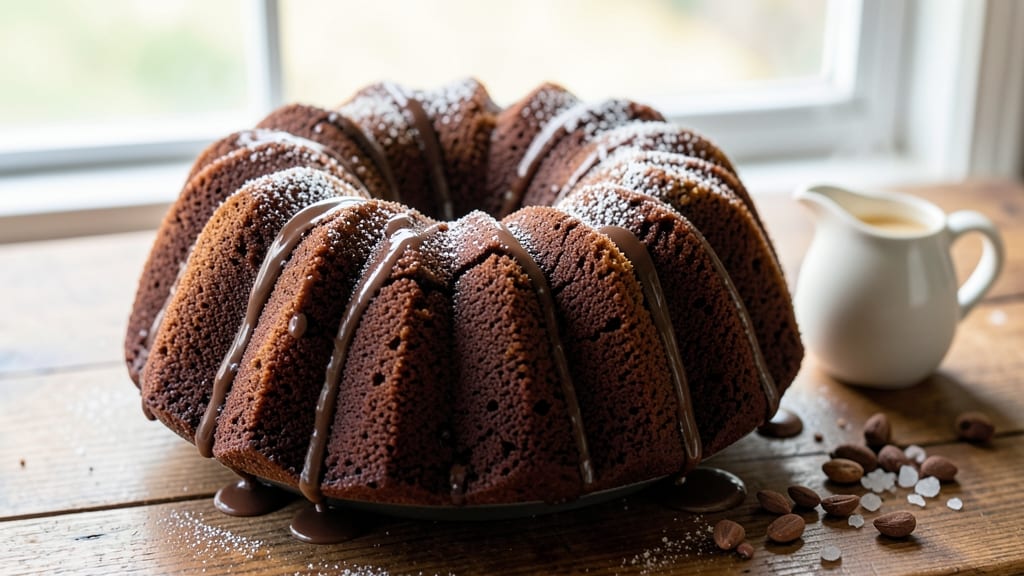
Betty Crocker's chocolate bundt cake delivers that iconic glass-bowl magic with fudgy cracks and a moist interior that's impossible to resist. The secret lies in precise measurements and a well-greased pan that ensures perfect release and even baking.
I've perfected this recipe over years of testing, balancing rich cocoa flavor with just the right amount of sweetness for a dessert that feels both nostalgic and refined.
What sets this bundt cake apart is its reliable rise—no flat tops or dense centers here. The cake emerges from the oven with those signature fudgy cracks along the sides, a telltale sign of a properly baked bundt.
This recipe maintains Betty Crocker's trusted quality while offering flexibility for dietary preferences, like using Greek yogurt for extra moisture or a sugar substitute for a lighter version.
The baking process is straightforward: preheat your oven to 350°F and let the cake bake for 50-60 minutes, or until a toothpick inserted in the center comes out clean.
Greasing the bundt pan thoroughly with butter and flour ensures easy removal, while a light dusting of powdered sugar adds that final touch of elegance before serving.
This cake is perfect for celebrations, Sunday suppers, or whenever you crave a classic dessert with modern appeal. The combination of rich chocolate flavor, tender crumb, and impressive presentation makes it a crowd-pleaser every time. Let's get baking!
Ingredients for betty crocker chocolate bundt cake
Classic bundt cake ingredients with Betty Crocker's signature fudgy perfection.
| Ingredient | Amount | Notes |
|---|---|---|
| All-Purpose Flour 🌾 | 2 ½ cups | Sifted for even texture |
| Granulated Sugar 🍚 | 2 cups | White or light brown |
| Unsalted Butter 🧈 | 1 cup | Softened to room temperature |
| Cocoa Powder 🍫 | ¾ cup | Natural or Dutch-processed |
| Large Eggs 🥚 | 3 whole | Room temperature for best mixing |
| Milk 🥛 | 1 ½ cups | Whole milk preferred |
| Vanilla Extract 🌸 | 2 tsp | Pure vanilla extract |
| Baking Powder 🧂 | 2 tsp | Diamond Crystal preferred |
| Salt 🧂 | ½ tsp | Fine sea salt |
| Vegetable Oil 🫒 | ¼ cup | For greasing bundt pan |
| All-Purpose Flour 🌾 | 1 tbsp | For dusting bundt pan |
| Powdered Sugar 🍚 | ½ cup | For dusting cake |
The cocoa powder is where the magic happens—Hershey's Special Dark or Dutch-processed gives that deep, velvety flavor. For the best results, grab unsalted butter from Kroger or Wegmans—it's more consistent than store brands. The flour? King Arthur or Gold Medal for that perfect rise. Eggs should be at room temperature—just pop them in warm water for 10 minutes if they're cold. And don't skimp on the vanilla—Nielsen-Massey is worth the splurge for this recipe.
No cocoa powder? Melted dark chocolate (70% or higher) at 1:1 ratio works in a pinch, but the texture will be denser. Out of vanilla? Almond extract at half the amount adds depth without overpowering. For a lighter version, swap half the milk for Greek yogurt—it keeps the cake moist without adding richness. The baking powder matters too: Diamond Crystal is double-acting, so if you have Aluminum-free, reduce by 1/4 tsp. And if you're using a glass bundt pan, preheat it in the oven for 10 minutes before adding batter.
Butter and flour for greasing the pan should be room temperature—cold butter won't coat properly. Store extra batter in an airtight container for 2 days or freeze for 3 months. The cake reheats beautifully—just wrap tightly and microwave for 20-30 seconds. For serving, dust with powdered sugar right before slicing—Confectioners' sugar from Domino works perfectly. Leftovers? Slice and freeze between parchment paper for quick single servings.
Why You'll Love This Recipe
- No Mixer Needed: I swear by this one—just a bowl and a whisk. The butter and sugar get creamed by hand, the cocoa powder dissolves smoothly, and those eggs bind everything together without a single drop of fuss. My hands get a little tired, but the result? Worth every stir.
- Rich Without Effort: That cocoa powder and melted butter combo? It’s like a warm hug for your taste buds. The sugar caramelizes just enough to give it a subtle depth, and the eggs keep it moist without being heavy. Honestly, it’s the kind of chocolate cake that makes you forget how simple the ingredients are.
- Party in a Pan: This Bundt cake is my go-to for birthdays, book clubs, or just because. The fluted edges make it look fancy, but the real magic is how well it slices—no one ever leaves with a sad, crumbly piece. (Yes, even on a Tuesday night.)
- Budget-Friendly Luxury: Flour, sugar, butter, cocoa—these are pantry staples that won’t break the bank. A single cake feeds six, and leftovers? They reheat beautifully in the microwave or as thick slices in the oven. My wallet and my sweet tooth both win.
Step-by-step instructions for Betty Crocker chocolate bundt cake
Master this classic bundt cake with fudgy cracks and perfect rise every time.
Prepare the Bundt Pan for Perfect Release
Preheat your oven to 350°F while you prepare the pan. Generously brush the inside of a 10-12 cup bundt pan with the ¼ cup vegetable oil, making sure to coat every crevice thoroughly. This prevents sticking and ensures easy removal later. Lightly dust the oiled pan with 1 tablespoon all-purpose flour, tapping out any excess. Gently tap the pan on your counter to distribute the flour evenly—this creates a non-stick barrier while allowing the cake to rise beautifully through the intricate patterns.
I always double-check the pan's position on the oven rack before baking. The bundt pan should sit centered on the middle rack for even heat distribution. If your pan has a removable bottom, place it directly on the rack for optimal heat transfer to the cake batter.
Cream Butter and Sugars to Lighten the Batter
In a large mixing bowl, combine the 1 cup softened unsalted butter with the 2 cups granulated sugar. Using an electric mixer on medium speed, beat for 3-4 minutes until the mixture is light and fluffy, nearly doubling in volume. You'll see the color lighten and ribbons form when you lift the beaters. This step incorporates air into the batter, which creates that signature tender crumb and helps the cake rise beautifully in the bundt pan.
I press down on the butter-sugar mixture with a spatula between beats to ensure everything is fully incorporated. If your butter isn't quite soft enough, microwave it in 10-second intervals until it reaches room temperature. Cold butter won't cream properly and can lead to a dense cake.
Add Eggs and Dry Ingredients Alternately
Reduce the mixer speed to low and add the 3 whole large eggs, one at a time, mixing just until each is fully incorporated. After the eggs are combined, add the 2 teaspoons vanilla extract and mix for 30 seconds to fully distribute the flavor. In a separate bowl, whisk together the 2.5 cups sifted all-purpose flour, 2 teaspoons baking powder, ½ teaspoon salt, and ¾ cup cocoa powder until well combined.
With the mixer on low speed, gradually add the dry ingredients to the wet mixture in 3 additions, mixing just until combined after each addition. Be careful not to overmix—stop as soon as the flour disappears. Overmixing develops gluten, which can make your cake tough instead of tender. After adding all the dry ingredients, mix in the 1.5 cups milk until the batter is smooth and just combined.
Pour and Bake for Fudgy Cracks
Pour the batter into the prepared bundt pan, gently tapping the pan on the counter to release any air bubbles. Fill the pan completely—don't worry if it looks overfilled, as the batter will settle slightly. Bake in the preheated 350°F oven for 50-55 minutes, or until a toothpick inserted into the center comes out clean with just a few moist crumbs clinging to it.
The cake is done when the top springs back when gently touched and the edges begin to pull away slightly from the pan. For that perfect fudgy crack, I recommend baking it for the full 55 minutes—this allows the center to set while maintaining moisture. If your oven runs hot, check for doneness at the 45-minute mark.
Cool and Dust for Presentation
Remove the cake from the oven and let it cool in the pan for 10 minutes before carefully inverting it onto a wire rack. Gently tap the bottom of the pan to loosen the cake if needed. Allow the cake to cool completely before dusting with the ½ cup powdered sugar through a fine-mesh sieve. This creates that classic powdered sugar finish that makes bundt cakes look so elegant.
For the best texture, serve the cake at room temperature. The fudgy cracks will be most pronounced when the cake has fully cooled. Store any leftovers in an airtight container at room temperature for up to 3 days, or refrigerate for up to 5 days. The flavors actually improve slightly as the cake sits!
Pro Tips For Making Betty Crocker Chocolate Bundt Cake
- Sift the Cocoa: The Betty Crocker recipe calls for cocoa powder, but I learned the hard way—lumps in your batter mean a cake that’s dense in spots. Sift it before measuring, then whisk it with the flour to break up any clumps. Trust me, your cake’s texture will thank you, especially when you’re pouring it into that tricky Bundt pan.
- Cream Butter Slowly: The recipe says “cream butter and sugar,” but don’t rush it. Start on medium-low and let the butter soften gradually—about 3-4 minutes—until it’s light and fluffy. I used to crank the mixer high and end up with a greasy, grainy mess. Patience here makes the difference between a cake that’s tender and one that’s tough.
- Don’t Overmix the Eggs: Once you add the eggs, mix just until combined—no more. I’ve seen people beat this batter until it’s thin and sad, and that’s how you end up with a cake that collapses in the middle. Stop when the eggs are barely incorporated, or you’ll regret it when your Bundt cake looks like a deflated soufflé.
- Grease and Flour the Pan: The recipe might say to grease the Bundt pan, but don’t skip the flour step—especially if you’re using a nonstick spray. Lightly dust the greased pan with flour (tap out the excess) so the cake releases cleanly. I’ve had cakes stick enough to tear the bottom off, and that’s a mess no one wants to deal with.
Flavor customization for this recipe
Classic Chocolate Variations
For a richer chocolate experience, swap the cocoa powder for 2 ounces melted semi-sweet chocolate (like Hershey's Special Dark) in place of the ¾ cup cocoa powder. This adds depth and a slightly denser texture while keeping the signature fudgy cracks.
I love using Valrhona cocoa powder for its velvety flavor—it costs more but transforms the cake into a luxurious dessert. 🍫
Moisture Boosters
Add ½ cup Greek yogurt or sour cream to the batter for extra moisture and a tender crumb. Replace half the milk with either for a lighter texture that still holds up to the bundt pan's intricate design.
For a dairy-free option, use unsweetened almond milk plus 2 tablespoons melted coconut oil—the cake will be slightly denser but still delicious. 🥛
Spiced Twist
Infuse warm spices like 1 teaspoon cinnamon or ½ teaspoon espresso powder into the batter for complexity. The espresso enhances the chocolate flavor without adding bitterness, while cinnamon adds a cozy warmth.
For a tropical twist, fold in ½ teaspoon orange zest with the vanilla extract—it brightens the rich chocolate base beautifully. 🌶️
Frosting Options
Skip the powdered sugar dusting and top with chocolate ganache made from ½ cup heavy cream and 4 ounces chopped dark chocolate, heated until smooth. For a lighter option, try cream cheese frosting with 1 teaspoon vanilla and a pinch of salt—it balances the cake's richness perfectly.
I also love drizzling melted white chocolate over the cake for a contrasting sweetness. 🍰
Nutty Additions
Fold in ½ cup chopped walnuts or pecans during the final mixing step for texture and crunch. Toast the nuts in a dry pan for 2-3 minutes until fragrant before adding them to the batter.
For a more decadent version, sprinkle chocolate chips or crushed peppermint candies on top before baking—these melt slightly, creating pockets of flavor. 🌰
Gluten-Free Adaptation
Replace the 2.5 cups all-purpose flour with a 1:1 gluten-free flour blend (like King Arthur Measure for Measure) plus 1 teaspoon xanthan gum to mimic the structure. Reduce the milk to 1 cup and add 1 tablespoon applesauce to maintain moisture.
The texture will be slightly denser but still delicious—just avoid overmixing to prevent a gummy result. 🌾
Nutrition facts
Frequently asked questions
Why does my bundt cake stick to the pan?
The most common reason is insufficient greasing or dusting. Always use ¼ cup vegetable oil and 1 tablespoon flour—coat every crevice thoroughly and tap out excess. For stubborn sticking, try using butter instead of oil for greasing, as it creates a better non-stick barrier. Also, avoid overfilling the pan, which can prevent proper release.
How do I achieve those signature fudgy cracks?
Those coveted cracks come from baking the cake just long enough to set the edges while keeping the center slightly underdone. Bake for the full 55 minutes at 350°F, then check with a toothpick—it should come out with moist crumbs. Let the cake cool completely in the pan before removing, as rapid cooling can prevent the cracks from forming properly. A well-greased pan also helps the cake pull away cleanly.
Can I make this bundt cake without eggs?
Yes! Replace the 3 eggs with 3 tablespoons ground flaxseed mixed with 9 tablespoons water (let sit for 5 minutes to thicken). For a lighter texture, use ½ cup unsweetened applesauce or ½ cup Greek yogurt instead. The cake will be slightly denser but still moist. Always reduce baking time by 5 minutes when using egg substitutes.
Why did my bundt cake come out flat?
Flat bundt cakes usually result from overmixing the batter or using old baking powder. Mix just until combined—stop as soon as the flour disappears. Check your baking powder's expiration date (it loses potency over time). Also, ensure your bundt pan is properly greased and dusted, and that the oven is preheated to 350°F before baking. A flat cake can also happen if the pan is overfilled or the oven isn't hot enough.
How should I store leftover bundt cake?
Store at room temperature in an airtight container for up to 3 days, or refrigerate for 5 days if you're keeping it longer. For best texture, bring slices to room temperature before serving. To revive stale cake, wrap it tightly in foil and warm in a 300°F oven for 10-15 minutes. Freeze individual slices between parchment paper for up to 3 months—thaw overnight in the fridge before enjoying.