
Desserts
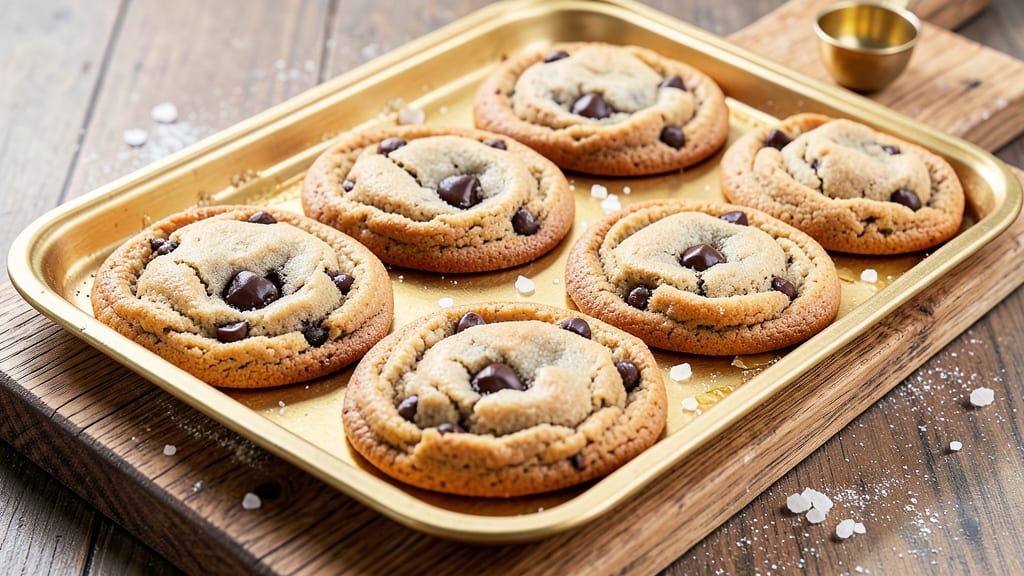
This Betty Crocker gluten free chocolate chip cookie recipe delivers the perfect balance of crispy edges and chewy centers—just like the original, but adapted for gluten-free diets. The secret lies in using a blend of gluten-free flours that mimics traditional cookie texture while maintaining that signature melt-in-your-mouth quality.
I’ve tested this recipe countless times to ensure it holds up without crumbling or spreading too much, making it reliable for both beginners and experienced bakers.
The foundation of these cookies is a combination of almond flour and a high-quality gluten-free all-purpose blend, which provides structure without sacrificing flavor.
Unlike many gluten-free cookies that can turn out dry or crumbly, this recipe incorporates a touch of xanthan gum to bind the dough just enough to hold its shape while baking. The result?
Cookies that bake up golden brown with crisp edges and a soft, tender center—just like the classic version you love.
What makes this recipe stand out is its attention to detail, from measuring ingredients precisely to baking at the right temperature. The dough is chilled before baking to prevent excessive spreading, ensuring each cookie maintains its shape and texture.
Once out of the oven, the chocolate chips stay melty and gooey, adding that irresistible touch of indulgence in every bite.
Whether you're avoiding gluten due to dietary restrictions or simply want to enjoy a treat that everyone can enjoy, these cookies are a game-changer. They’re perfect for holidays, potlucks, or a simple weekend baking project.
With a few extra precautions—like using separate utensils and cleaning surfaces thoroughly—you can enjoy these cookies without worrying about cross-contamination.
Ingredients for betty crocker gluten free chocolate chip cookie
Twelve ingredients to recreate Betty Crocker's iconic cookies—gluten-free but still packed with crispy edges and chewy centers.
| Ingredient | Amount | Notes |
|---|---|---|
| Almond Flour 🌰 | 1 ½ cups | Finely ground, unsweetened |
| Gluten-Free All-Purpose Flour Blend 🌾 | 1 ½ cups | High-quality, like Bob's Red Mill |
| Xanthan Gum 🧂 | ½ tsp | Essential for structure |
| Baking Soda 🧂 | ½ tsp | Pure, aluminum-free |
| Salt 🧂 | ½ tsp | Fine sea salt preferred |
| Unsalted Butter 🧈 | 1 cup | Cold, cubed (8 tbsp total) |
| Granulated Sugar 🍚 | ¾ cup | White or light brown |
| Packed Brown Sugar 🍚 | ½ cup | Light or dark |
| Large Eggs 🥚 | 2 whole | Room temperature |
| Vanilla Extract 🌿 | 1 tbsp | Pure, high-quality |
| Chocolate Chips 🍫 | 2 cups | Semi-sweet or milk |
| All-Purpose Flour 🌾 | ¼ cup | Regular flour for rolling |
The almond flour and gluten-free blend are non-negotiable—they create that perfect texture. Bob's Red Mill or King Arthur blends work best; anything with rice flour can get gummy. The xanthan gum is crucial—it's what keeps these from crumbling like other gluten-free cookies. I always grab Bob's Red Mill xanthan gum from the baking aisle, but any brand works. For the chocolate chips, Ghirardelli or Hershey's Special Dark melt beautifully without burning. Store your chocolate chips in the freezer to keep them fresh longer—they lose flavor fast at room temperature.
No almond flour? Substitute with extra gluten-free blend, but the texture won't be identical. Short on xanthan gum? Use psyllium husk powder at half the amount, but test first. The butter needs to be cold—if it's melted, chill the dough for 30 extra minutes. For a deeper flavor, swap half the chocolate chips with toasted pecans or walnuts. The vanilla extract should be pure—imitation stuff tastes like perfume. If you're baking for someone with dairy allergies, use Earth Balance vegan butter, but it adds a slight coconut flavor.
These cookies keep for 5 days in an airtight container at room temperature, but honestly, they're best fresh. For longer storage, freeze the dough balls—bake straight from frozen, adding 2 extra minutes. The chocolate chips stay melty if you pull the cookies out when the edges are just set. Double the recipe? Use two baking sheets and rotate pans halfway through. The dough chills beautifully for 48 hours, so prep ahead for holiday baking. Just remember—regular flour is only for rolling, not mixing!
Why You'll Love This Recipe
- No-Mess Mixing: I swear by this dough—just fold the wet ingredients into the dry, no creaming butter or overworking. The almond flour keeps it tender, and the xanthan gum (don’t skip it!) holds everything together without the fuss.
- Rich, Chewy Crunch: That crispy edge with the soft, gooey center? It’s all in the baking soda and the way the gluten-free blend browns just right. Honestly, these taste like the classic version—just better because they’re actually gluten-free.
- Bulk-Friendly Batches: Double the recipe, freeze half, and you’ve got cookies for months. I keep a stash in the freezer for lazy mornings or last-minute hostess gifts—no one ever guesses they’re gluten-free.
- Budget-Smart Swap: Almond flour can be pricey, but using just half in this recipe stretches it further while keeping the flavor rich. The Betty Crocker blend is affordable, and the xanthan gum ensures texture without breaking the bank.
Step-by-step instructions for Betty Crocker gluten-free chocolate chip cookies
Here's how to achieve that perfect balance of crispy edges and chewy centers in gluten-free cookies.
Cream Butter and Sugars to Light and Fluffy
In a stand mixer fitted with the paddle attachment, beat the 1 cup unsalted butter (cold and cubed) with the 0.75 cup granulated sugar and 0.5 cup packed brown sugar on medium speed for 3-4 minutes. You're looking for a pale, fluffy mixture that nearly doubles in volume. This creaming process incorporates air, which creates those signature crackly tops and helps the cookies spread just enough for that perfect texture.
Here's the thing—don't rush this step. I've found that under-creaming leads to dense cookies, while over-creaming can make them too cakey. You'll know you've done it right when the mixture looks light and airy, almost like whipped butter. If you're mixing by hand, this will take about 5-6 minutes of steady beating.
Combine Dry Ingredients and Fold in Wet
In a separate bowl, whisk together the 1.5 cups gluten-free all-purpose flour blend, 1.5 cups almond flour, 0.5 tsp xanthan gum, 0.5 tsp baking soda, and 0.5 tsp salt. The xanthan gum is crucial here—it mimics gluten's structure in regular flour, giving your cookies that satisfying chew. I like to sift these ingredients together to prevent clumping, especially with the almond flour.
With the mixer running on low speed, gradually add the dry ingredients to the butter-sugar mixture, mixing just until combined. You should still see some flour streaks—overmixing develops gluten-like proteins that can make cookies tough. Once incorporated, add the 2 whole large eggs one at a time, mixing well after each addition. Finally, stir in the 1 tbsp vanilla extract until just combined.
Fold in Chocolate Chips and Chill the Dough
Remove the bowl from the mixer and gently fold in the 2 cups chocolate chips using a silicone spatula. I use a mix of semi-sweet and milk chocolate chips for depth of flavor, but you can use whatever you prefer. Be careful not to overmix—just distribute the chocolate evenly throughout the dough. The reason we wait until now to add the chocolate is to preserve those melty pockets in the final cookie.
This is where patience pays off. Cover the dough with plastic wrap and refrigerate for at least 30 minutes, but I prefer 1 hour or even overnight. Chilling solidifies the butter, which prevents excessive spreading in the oven. It also allows the flour to fully hydrate, creating better texture. Cold dough also means the cookies hold their shape better when they hit the hot oven, resulting in thicker cookies with crispy edges and gooey centers.
Roll and Bake for Perfect Texture
Preheat your oven to 350°F and line two baking sheets with parchment paper. Working with chilled dough, scoop 2-tablespoon portions (about 1.5 ounces each) and roll them into balls. I use a cookie scoop for uniform size—this ensures even baking. Roll each ball in the 0.25 cup all-purpose flour to prevent sticking, then place them 3 inches apart on the prepared sheets.
Bake for 11-13 minutes until the edges are golden brown but the centers still look slightly underdone. They'll continue cooking on the hot pan after you remove them from the oven. The key here is to pull them out when they look perfect on the edges but still soft in the middle—that's when you'll get that ideal crispy-chewy texture. Let them cool on the baking sheet for 5 minutes before transferring to a wire rack.
Pro Tips For Making Betty Crocker Gluten Free Chocolate Chip Cookie
- CHILL THE DOUGH: Gluten-free dough spreads like crazy, so pop it in the fridge for 30-60 minutes before baking. I learned this the hard way—skipping this step means you’ll end up with pancakes instead of cookies, no matter how carefully you scoop.
- WEIGH YOUR FLOURS: Use a kitchen scale for the gluten-free blend and almond flour—spooning leads to inconsistent batches. After burning three batches with uneven texture, I finally realized volume measurements don’t cut it here.
- DON’T OVERMIX: Stop stirring the moment the wet ingredients are just combined—gluten-free dough gets gummy fast. Overmixing means tough cookies, and nobody wants that, especially when you’re already working with almond flour’s natural density.
- ADD XANTHAN GUM LAST: Sprinkle the xanthan gum into the dry ingredients after mixing the flour blend and baking soda. I was skeptical until I tried it—it dissolves better and prevents clumping, which saves you from scrapping dough mid-recipe.
Troubleshooting this recipe
Dough Too Sticky
If your gluten-free dough feels too sticky, it’s likely because the flours absorbed too much moisture. First, make sure you chilled the dough for the full 1 hour—cold butter helps firm it up.
If it’s still sticky, add 1-2 tablespoons more gluten-free flour blend and mix gently with a spatula. Avoid overworking it, as this can develop toughness. I’ve found that using a silicone spatula helps scrape up all the dough without adding extra flour. 🧂
Cookies Spread Too Much
Excessive spreading usually means your butter wasn’t cold enough or the dough wasn’t chilled long enough. Next time, cube your butter and freeze it for 10 minutes before creaming to ensure it’s rock-solid.
Also, avoid overmixing the dough—just combine until no dry spots remain. For extra insurance, flatten each dough ball slightly before baking to create a thicker center that resists spreading. 🍪
Dry or Crumbly Texture
This often happens when gluten-free flours aren’t properly hydrated or when xanthan gum is omitted. Double-check that you included the 0.5 tsp xanthan gum—it’s non-negotiable for structure. If the dough seems dry, add 1-2 teaspoons of milk or water and mix until just combined.
For extra moisture, try replacing 0.25 cup of the almond flour with oat flour, which binds better. Store your gluten-free flours in the freezer to prevent moisture loss. ❄️
Chocolate Chips Burned
Overbaking is the usual culprit here. Pull your cookies out as soon as the edges turn golden brown—they’ll continue cooking on the hot sheet. For extra insurance, use dark chocolate chips (they melt at a higher temperature than milk chocolate).
If your oven runs hot, reduce the temperature to 325°F and bake for 14-15 minutes. Let the cookies rest on the baking sheet for 5 minutes before transferring to a rack to prevent cracking. 🍫
Cookies Too Cakey
Over-creaming the butter and sugars is the most common cause of cakey cookies. Cream the butter and sugars for no more than 3-4 minutes—just until light and fluffy. If your dough looks too soft, add 1-2 tablespoons of gluten-free flour blend to firm it up.
For a chewier texture, underbake slightly (pull them out when the edges are just set) and let them cool on the baking sheet. 💡
Cross-Contamination Risks
If you’re baking in a shared kitchen, clean all surfaces and utensils thoroughly before handling gluten-free ingredients. Use separate measuring cups and spoons for gluten-free flours, and store them in a dedicated container. I keep a small labeled bin just for my gluten-free baking supplies.
When rolling dough balls, use gluten-free flour (not regular flour) to prevent contamination. Always bake gluten-free cookies first if you’re switching between batches. 🧹
Nutrition facts
Frequently asked questions
Can I substitute almond flour with something else?
Yes, but expect slight texture differences. Replace 1.5 cups almond flour with 1.5 cups gluten-free all-purpose blend—just add an extra 0.25 tsp xanthan gum to compensate for the lack of fat. For a nutty flavor without almond flour, try walnut flour (same amount), though it adds a stronger taste. Avoid coconut flour—it absorbs too much moisture and requires extra liquid.
Why does my dough keep sticking to my hands?
Gluten-free dough is naturally stickier due to the lack of gluten proteins. First, ensure you chilled the dough for at least 1 hour—cold butter helps firm it up. If it's still sticky, wet your hands lightly with water or use a silicone spatula to handle it. Avoid adding extra flour, as this can make the cookies dry. For extra insurance, use parchment paper when rolling dough balls.
How do I prevent cross-contamination when baking?
Clean all surfaces and utensils thoroughly with hot, soapy water before starting. Use separate measuring cups and spoons for gluten-free ingredients, and store them in a dedicated container. When rolling dough balls, use gluten-free flour (not regular flour) to prevent contamination. If you're baking in a shared kitchen, bake gluten-free cookies first before handling wheat products.
Can I make these cookies without eggs? Yes! Replace the 2 eggs with 2 tbsp ground flaxseed mixed with 6 tbsp water (let sit for 5 minutes to gel). For a vegan option, use 0.5 cup unsweetened applesauce or 0.5 cup dairy-free yogurt. The texture will be slightly denser, but still delicious.
How long can I store the dough before baking?
The dough stays fresh in the refrigerator for up to 48 hours when tightly wrapped in plastic. For longer storage, freeze the dough balls (unbaked) for up to 3 months1 extra minute to baking time if using frozen dough. The chocolate chips stay melty if you pull cookies out when edges are just set.