
Desserts
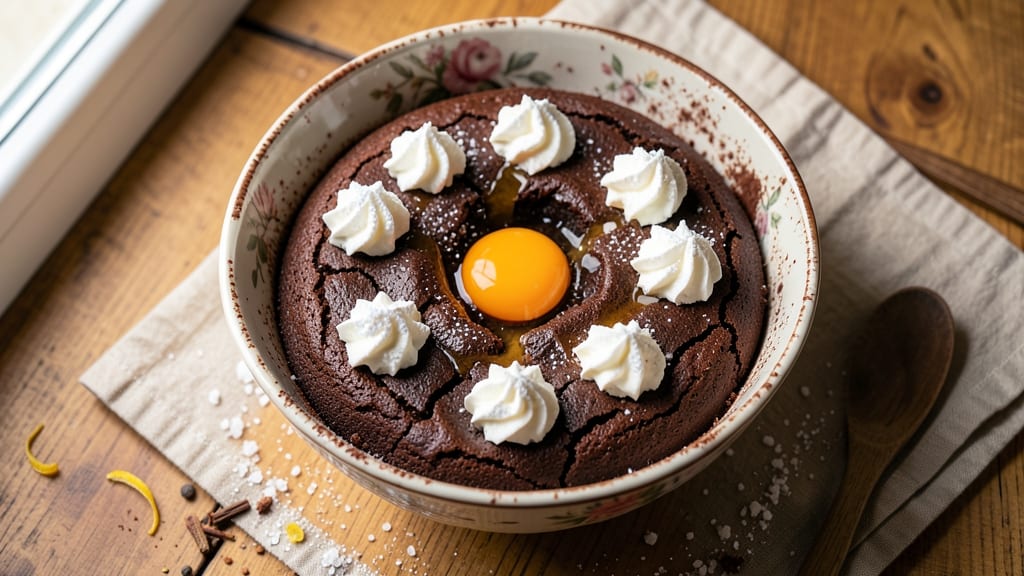
This box chocolate cake recipe with sour cream transforms a simple mix into a showstopper with ultra-moist layers that defy boxed cake expectations. The secret lies in sour cream—its fat content creates tender crumbs and rich flavor while preventing dryness.
I’ve baked countless versions, and this method consistently delivers restaurant-quality results at home.
What sets this recipe apart is the balance of simplicity and professional technique. You’ll use a standard box mix but elevate it with sour cream, eggs, and a touch of vanilla for depth.
The cake emerges from the oven with fudgy yet tender layers that stay moist for days, making it perfect for celebrations or spontaneous dessert cravings.
Baking time is straightforward—35-40 minutes at 350°F—with minimal effort required beyond mixing. The sour cream doesn’t just add moisture; it enhances the chocolate’s richness, creating a texture that’s dangerously close to homemade. This is the kind of cake that disappears faster than you can frost it.
For extra indulgence, fold in chocolate chips or espresso powder into the batter, or top with a simple cream cheese frosting. The possibilities are endless, but the base recipe remains foolproof. Let’s get baking—your taste buds will thank you.
Ingredients for box chocolate cake recipe with sour cream
Elevate your boxed mix with these 13 ingredients for ultra-moist, restaurant-quality chocolate cake layers.
| Ingredient | Amount | Notes |
|---|---|---|
| Boxed Chocolate Cake Mix 🍫 | 1 box | Any 15.25-oz boxed mix preferred |
| Sour Cream 🥛 | ½ cup | Full-fat for optimal moisture |
| Large Eggs 🥚 | 2 whole | Room temperature for even baking |
| Unsalted Butter 🧈 | ½ cup | Melted, cooled slightly |
| Pure Vanilla Extract 🌿 | 1 tbsp | High-quality for depth of flavor |
| Granulated Sugar 🍚 | ¼ cup | For additional sweetness balance |
| All-Purpose Flour 🌾 | ¼ cup | Sifted for light texture |
| Baking Soda 🧂 | ½ tsp | Ensures proper rise |
| Salt 🧂 | ¼ tsp | Diamond Crystal preferred |
| Hot Water 💧 | ½ cup | For activating dry ingredients |
| Semisweet Chocolate Chips 🍫 | 1 cup | Optional for extra richness |
| Instant Espresso Powder ☕ | 1 tsp | Enhances chocolate flavor |
| Cream Cheese Frosting 🧀 | 1 ½ cups | For classic pairing |
The sour cream is non-negotiable here—its fat content transforms dry box mix into tender layers. Full-fat sour cream delivers the best results, though low-fat works in a pinch. For the butter, unsalted is essential to control the cake's saltiness, especially since box mixes often contain salt. I recommend Land O'Lakes or Plugrá for reliable quality. The vanilla extract should be pure, not imitation—McCormick or Nielsen-Massey are my go-tos. For the chocolate chips, Ghirardelli or Nestlé Toll House melt beautifully without burning. Pre-sift your flour and baking soda to prevent lumps, which can lead to uneven texture.
No sour cream? Plain Greek yogurt at half the amount works surprisingly well, though the texture will be slightly less rich. Substitute butter with vegetable oil at equal volume, but expect a denser crumb. For the chocolate chips, chopped dark chocolate bars are a luxurious swap. The instant espresso powder can be omitted if you dislike coffee notes, but it deepens the chocolate flavor significantly. If your box mix contains baking powder, you can reduce the additional baking soda to 0.25 tsp. For the cream cheese frosting, Philadelphia or Kite Hill brands create the smoothest consistency.
Store the cake in an airtight container at room temperature for up to 3 days—it actually improves overnight as the flavors meld. For longer storage, wrap tightly in plastic and refrigerate for 5-7 days or freeze for 3 months. The frosting can be made a day ahead and kept in the fridge; simply rewhip before serving. To prevent dryness, slice the cake with a hot knife and serve immediately after frosting. This cake reheats beautifully—warm slices in the microwave for 10-15 seconds to restore moisture.
Why You'll Love This Recipe
- I’ll be real: most boxed cakes dry out by day two. Not this one. The sour cream and butter combo locks in moisture, so the cake stays tender even after three days. And because it’s budget-friendly (hello, dollar-store box mix), you’re not stressed about wasting it. Win-win.
- Five-Minute Mixing: Honestly, I swear by this recipe because the hardest part is cracking eggs. You dump in the box mix, stir in the sour cream and melted butter, then fold in the eggs—no measuring cups, no fuss. That’s it. Even if you’re the kind of person who burns toast, this cake forgives mistakes.
- Rich Without Effort: The sour cream here? It’s the secret weapon. It keeps the cake moist for days and gives it that velvety texture you’d pay extra for at a bakery. Plus, the vanilla extract—just a splash—deepens the chocolate flavor without tasting artificial. It’s the kind of dessert that makes people ask, “Wait, you made this?”
- Birthday or Boredom: Between us, this cake works for everything. A last-minute birthday surprise? Done. A rainy Tuesday craving? Also done. I’ve even used it for potlucks—slice it, wrap it, and no one questions how easy it was. The box mix handles the heavy lifting, so you’re free to focus on frosting or toppings.
Step-by-step instructions for ultra-moist box chocolate cake
Here's the professional method that transforms boxed mix into restaurant-quality cake with velvety texture.
Prepare the Cake Batter Foundation
In a large mixing bowl, combine the 1 box boxed chocolate cake mix, 0.25 cup all-purpose flour, 0.5 tsp baking soda, and 0.25 tsp salt. Whisk these dry ingredients together for 30 seconds to ensure even distribution. This pre-mixing prevents lumps and creates a uniform base for the moist texture we're aiming for.
In a separate bowl, melt the 0.5 cup unsalted butter in the microwave in 20-second intervals, stirring between each interval until completely melted. Let it cool slightly—it should be warm but not hot to the touch. This cooling step prevents scrambling the eggs when we add them next.
Incorporate Wet Ingredients for Moisture
Add the 0.5 cup sour cream, 2 whole large eggs (at room temperature), 1 tbsp pure vanilla extract, and 0.25 cup granulated sugar to the melted butter. Whisk vigorously for 2 minutes until the mixture is completely smooth and slightly thickened. The sour cream is our secret weapon—its fat content creates that ultra-moist crumb structure that boxed mixes typically lack.
Gradually pour the hot water into the wet ingredients while whisking continuously. The water activates the dry ingredients and creates steam during baking, which is essential for that tender crumb. Add the 1 tsp instant espresso powder and 1 cup semisweet chocolate chips to the batter, folding them in gently with a spatula to maintain even distribution.
Combine Wet and Dry Components
With the mixer on low speed, gradually add the dry ingredient mixture to the wet ingredients. Mix just until combined—no more than 30 seconds—to avoid developing gluten that would make the cake tough. The batter should be thick but pourable, similar to heavy pudding. If it appears too thick, add 1 tablespoon hot water at a time until it reaches the proper consistency.
This is where the magic happens: the combination of the boxed mix's leavening agents with our added moisture components creates a cake with a perfectly balanced structure. The batter should coat the back of a spoon but still flow when poured. Don't overmix—this is the single most important step for achieving that ultra-moist texture we're after.
Bake for Evenly Moist Layers
Preheat your oven to 350°F and grease two 9-inch round cake pans thoroughly with butter or baking spray. Divide the batter evenly between the prepared pans. Bake for 30-35 minutes, or until a toothpick inserted into the center comes out clean with just a few moist crumbs clinging to it. The edges should be set but the center should still have a slight give—this ensures maximum moisture retention.
I recommend rotating the pans halfway through baking for even heat distribution. The cake is done when it springs back slowly when gently pressed in the center. If you're unsure, err on the side of slightly underbaking—these cakes continue to cook as they cool, and overbaking leads to dryness.
Cool and Frost for Perfect Texture
Allow the cakes to cool in their pans for 10 minutes, then transfer them to a wire rack to cool completely. This gradual cooling prevents cracking and helps maintain that ultra-moist interior. Once completely cooled, level the tops if needed with a serrated knife for even frosting application.
Spread the 1.5 cups cream cheese frosting evenly between the layers and over the top and sides of the cakes. The frosting should be at room temperature for easy spreading and optimal flavor. Chill the frosted cake in the refrigerator for 30 minutes before serving to allow the frosting to set properly and the flavors to meld together.
Pro Tips For Making Box Chocolate Cake Recipe With Sour Cream
- Mix Sour Cream Last: The box instructions might say to add it early, but fold that sour cream in right before pouring the batter into the pan—it keeps the cake denser and richer. I used to mix it all together and ended up with a cake that tasted more like a casserole than dessert.
- Use Room-Temp Eggs: Cold eggs make the batter lumpy and can cause the cake to sink in the middle. Let those eggs sit out for 30 minutes before cracking them into the mix—your cake will rise better and have a smoother texture. (Yes, even if you're impatient like me.)
- Don’t Overmix the Batter: Once you add the eggs and vanilla, stir just until combined—about 10-12 strokes with a spatula. Overmixing activates the gluten in the flour, and suddenly you’ve got a tough, rubbery cake instead of a tender one. I learned this after making a cake so dense it could’ve been a doorstop.
- Grease Pan and Dust with Cocoa: Butter the pan well, then sprinkle a thin layer of unsweetened cocoa powder over the bottom before pouring the batter. This keeps the cake from sticking and adds a subtle chocolate boost at the edges. (Your future self will thank you for this tiny extra step.)
Common mistakes when making this dish
Overmixing the Batter
This is the #1 mistake that turns moist cake into dense brick. When combining wet and dry ingredients, mix only until just combined—no more than 30 seconds on low speed. Overmixing develops gluten in the flour, creating a tough, chewy texture.
The goal is a thick but pourable batter that coats the back of a spoon. I've ruined many cakes by mixing too long—trust me, the batter will look under-mixed but it's perfect for that tender crumb. 🌟
Skipping Room-Temp Eggs
Cold eggs can cause uneven baking and sink in the center of your cake. Always use room-temperature eggs—let them sit at room temperature for 30 minutes before using. I keep a bowl of eggs on my counter overnight during baking season.
Cold eggs also scramble more easily when mixed with hot melted butter, creating lumps that ruin texture.
Incorrect Sour Cream Temp
Using cold sour cream creates pockets of cold fat in your batter that won't incorporate properly. The sour cream should be at room temperature (about 68°F) when mixing. If it's straight from the fridge, let it sit for 15-20 minutes first.
I've seen cakes with cold sour cream develop a greasy texture instead of that perfect moist crumb. Warm it gently in the microwave for 10 seconds if needed.
Overbaking the Cake
Boxed cakes continue cooking after removal from the oven, so it's better to slightly underbake them. Remove your cake when a toothpick comes out with just a few moist crumbs—not completely clean. Overbaking by even 5 minutes can dry out the cake completely.
I've learned this the hard way with multiple dry, crumbly cakes. The edges should be set but the center should still have a slight give when pressed gently.
Greasing Pans Insufficiently
If your cake pans aren't properly greased, the cake will stick and tear when removing. Use butter or baking spray and then dust with all-purpose flour, tapping out the excess. I recommend using two 9-inch round cake pans with removable bottoms for easiest release.
For extra insurance, line the bottoms with parchment paper circles cut to fit. Never skip this step—stuck cakes are the worst!
Ignoring the Cooling Process
Rushing to frost warm cake leads to melted frosting and uneven layers. Always let cakes cool completely in their pans for 10 minutes, then transfer to a wire rack to cool for 1-2 hours before frosting.
The gradual cooling prevents cracking and helps maintain that ultra-moist interior. I've seen frosting slide right off when cakes are still warm—patience pays off here! ⏰
Nutrition facts
Frequently asked questions
Why does sour cream make this cake so much better than regular boxed mix?
The sour cream's fat content creates ultra-moist layers that box mixes typically lack. It also tenderizes the crumb and adds subtle tang that balances the sweetness. This is why professional bakers use it—it transforms dry mixes into restaurant-quality desserts!
Can I use Greek yogurt instead of sour cream?
Yes! Use ½ cup plain Greek yogurt at room temperature as a substitute, though the texture will be slightly less rich. For best results, strain thick Greek yogurt through a cheesecloth first to remove excess liquid. The flavor will still be delicious, just with a marginally denser crumb.
How do I prevent my cake from cracking?
Let the cake cool gradually in the pan for 10 minutes, then transfer to a wire rack. Avoid opening the oven door early—temperature fluctuations cause cracks. Also, don't overmix the batter, which creates tension in the structure. A hot knife works wonders for leveling tops if needed!
What's the best way to store leftovers?
Wrap the unfrosted cake tightly in plastic wrap and store at room temperature for 3 days. For longer storage, refrigerate for 5-7 days or freeze for 3 months. Frosted cake keeps 2 days at room temperature or 1 week refrigerated. Always store with parchment between layers to prevent sogginess.
Can I make this cake in a different pan size?
For a 9-inch round pan, use the full recipe. For an 8-inch pan, increase baking time by 5-10 minutes. For a 10-inch pan, reduce baking time by 5 minutes. Always adjust for your specific oven—high altitudes may require additional time. The key is checking with a toothpick, not relying solely on time!