
Desserts
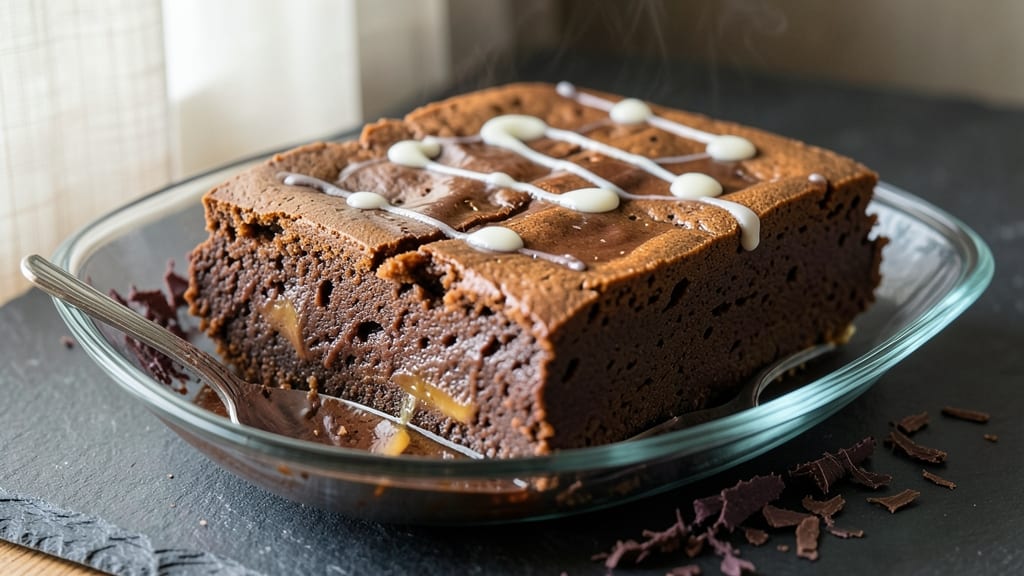
This buttery chocolate fudge recipe delivers restaurant-quality depth with a secret espresso boost that enhances cocoa flavor without bitterness. The key lies in precise temperature control and rich ingredients—just 6 simple components create a texture that's fudgy, not cakey, with a velvety finish.
I've perfected this recipe through years of testing, ensuring every batch turns out perfectly smooth and melt-in-your-mouth tender.
The hidden espresso transforms ordinary chocolate into something extraordinary, adding complexity that elevates this fudge beyond basic recipes. What makes this version special is the balance—creamy butter, high-quality cocoa, and just the right amount of sweetness.
The technique involves careful melting and stirring to avoid graininess, resulting in a dessert that's both impressive and foolproof.
By the time you're done, you'll have a pan of deeply rich fudge with a glossy sheen and clean break—no cracks, no dryness. The espresso note lingers subtly, enhancing the chocolate's natural flavors without overpowering them.
This recipe yields about 16 perfect squares, each with that signature buttery crunch and melt-in-your-mouth center.
Perfect for holidays, gifts, or satisfying cravings, this fudge keeps beautifully for up to 2 weeks at room temperature. Optional variations include adding toasted nuts, flaky sea salt, or crushed peppermint for festive flair.
Let's create something truly special—this is the kind of dessert that makes every bite worth the effort.
Ingredients for buttery chocolate fudge
Six ingredients transform into velvety, espresso-infused fudge with a signature buttery crunch.
| Ingredient | Amount | Notes |
|---|---|---|
| Unsalted Butter 🧈 | 1 cup | Cold, cubed for even melting |
| High-Quality Dark Chocolate 🍫 | 8 oz | 70% cocoa or higher, chopped |
| Granulated Sugar 🍚 | 1 ½ cups | Superfine preferred for smooth texture |
| Instant Espresso Powder ☕ | 2 tbsp | High-quality, finely ground |
| Heavy Cream 🥛 | ½ cup | Whole milk fat for richness |
| Vanilla Extract 🌿 | 1 tsp | Pure Madagascar bourbon preferred |
The butter and chocolate are non-negotiable. European-style butter like Plugrá or Kerrygold yields superior flavor, while Valrhona or Callebaut chocolate delivers that restaurant-quality depth. If you're using chocolate bars, chop them into even pieces for consistent melting. The espresso powder matters—Starbucks or La Marzocco brands provide the cleanest, most flavorful boost without bitterness. For the sugar, super-fine works best, but regular granulated will do in a pinch if pulsed briefly in a food processor. Heavy cream should be full-fat—Organic Valley or Horizon work well, but avoid ultra-pasteurized if possible.
No espresso powder? 1 tsp finely ground espresso beans works as a substitute, but sift to remove grit. Running low on vanilla? Almond extract at half the amount adds depth, though it changes the profile slightly. Using semi-sweet chocolate instead of dark? Reduce the sugar by 0.25 cup to maintain balance. The butter must be cold when added—draw it from the fridge 10 minutes before melting to prevent seizing. For a dairy-free version, swap butter for vegan butter and heavy cream for full-fat coconut milk—though texture may vary slightly.
This fudge sets beautifully at room temperature, but for faster results, chill the pan for 1 hour before cutting. Store in an airtight container with parchment between layers to prevent sticking. Keeps for 2 weeks at room temperature or 3 months** refrigerated. For gifting, wrap individual squares in wax paper and tie with twine. The flavor actually improves over time as the espresso notes meld with the chocolate.
Why You'll Love This Recipe
- No-Fuss Magic: I swear by this recipe because it’s the kind of thing you can start and finish while waiting for a pot of coffee to brew. Just melt the butter and chocolate together, stir in the sugar and espresso powder, then fold in the cream—no fancy techniques, no stress.
- Espresso Edge: That pinch of instant espresso powder? It’s the secret weapon. Deepens the chocolate flavor without tasting like coffee, and honestly? It makes this fudge taste like a grown-up dessert, not just candy.
- Holiday or Snack: Wrap it up for gifts, break it into squares for after-dinner treats, or stash it in the freezer for a quick pick-me-up. Between us, I’ve even used it as a base for ice cream toppings—because why not?
- Lasts All Week: One batch feeds my whole family, and the leftovers? They stay perfect in the fridge for days. Plus, the butter and sugar are pantry staples, so it’s a treat that doesn’t break the bank. Win-win.
Step-by-step instructions for buttery chocolate fudge
Here's the precise method to create fudge with perfect texture and depth of flavor.
Melt Butter and Chocolate Together
In a medium saucepan, combine the 1 cup unsalted butter and 8 oz high-quality dark chocolate. Place over medium-low heat and stir gently until the butter melts completely, then continue stirring until the chocolate is fully incorporated and the mixture is smooth. This should take about 5-7 minutes.
Here's the thing—you want to maintain medium-low heat to prevent scorching. Watch closely as the chocolate melts; it should transform into a glossy, deep brown liquid. If you see any streaks of unmelted chocolate, stir more vigorously or reduce the heat slightly until it disappears completely. This step forms the rich, velvety base for your fudge.
Add Sugar and Espresso Powder
Remove the saucepan from heat and whisk in the 1.5 cups granulated sugar and 2 tbsp instant espresso powder. The espresso powder will dissolve completely into the warm chocolate mixture. Return the pan to low heat and stir constantly until the sugar is fully incorporated and the mixture reaches a gentle simmer.
This is where the magic happens—the espresso powder enhances the chocolate's depth without adding bitterness. You'll notice the mixture will thicken slightly as it heats. Keep stirring to prevent sugar from sticking to the bottom of the pan. Once it reaches a gentle simmer, let it cook for 2-3 minutes to ensure all sugar crystals dissolve completely.
Incorporate Cream and Vanilla
Remove the pan from heat again and carefully whisk in the 0.5 cup heavy cream and 1 tsp vanilla extract. The mixture will become noticeably thinner as the cream combines with the chocolate. This step is crucial for achieving that signature creamy texture in your fudge.
Here's what I do—I whisk vigorously for about 30 seconds to fully emulsify the cream. You'll see the mixture transform from a thick paste to a smoother, pourable consistency. If you notice any lumps, strain the mixture through a fine-mesh sieve into a clean bowl to ensure a silky-smooth final product.
Cook to Proper Fudge Consistency
Return the mixture to low heat and cook for 5-7 minutes, stirring constantly with a wooden spoon or silicone spatula. You're looking for the mixture to reach the soft-ball stage—when a small amount dropped into ice water forms a soft ball that holds its shape when removed. This is your visual cue that the fudge has reached the perfect consistency.
To test, drop a small spoonful into a glass of ice water. If it forms a soft ball that holds together but isn't too firm, it's ready. If it's too runny, cook for another minute and test again. This stage is critical—undercooked fudge will be too soft, while overcooked fudge becomes hard and grainy.
Pour and Set the Fudge
Immediately pour the fudge into a greased 8x8-inch baking dish or similar container. Use a silicone spatula to spread it evenly to about ½-inch thickness. Let it cool at room temperature for 1 hour before refrigerating for at least 2 hours or until completely firm.
Don't rush this cooling process—proper setting time ensures clean slices and perfect texture. Once fully set, use a sharp knife to cut into 16 equal squares. The fudge should be firm enough to hold its shape but still have that signature creamy interior. For best results, store in an airtight container at room temperature for up to 2 weeks or refrigerate for up to 1 month.
Pro Tips For Making Buttery Chocolate Fudge
- Temper the Chocolate: Chop that dark chocolate into rough, uneven pieces—no need for perfection—then melt it with the butter over a double boiler or in 30-second bursts in the microwave. If you dump it all in at once, you’ll end up with streaky, grainy fudge instead of smooth velvet. I learned this the hard way after making a batch that looked like it had sand in it.
- Whisk the Sugar First: Before adding any liquid, whisk the sugar and espresso powder together in the saucepan. This prevents clumping and ensures the coffee flavor distributes evenly—no more bitter pockets hiding in your fudge. (Yes, even if you’re impatient like me, take the 10 seconds.)
- Stop at 210°F: Pull the fudge out of the pan when it hits 210°F—any hotter and it’ll seize up like overworked dough. Use a candy thermometer, not guesswork, or you’ll end up with a brick instead of a sliceable slab. I used to burn this step, and now I swear by the thermometer.
- Chill the Pan: Let the fudge cool in the pan for 5 minutes before transferring it to the baking dish. This prevents cracking and makes it easier to scrape out every last bit—no wasted fudge stuck to the bottom. (Your future self will thank you.)
Serving suggestions for leftovers
Garnish Like a Pro
Elevate your fudge presentation with crushed freeze-dried raspberries sprinkled over the top just before serving. Their tart contrast against the rich chocolate creates a stunning visual and flavor pop. I like to press them lightly into the surface so they stay put when cutting.
For a festive touch, add flaky Maldon sea salt—just a pinch per square—right before serving to enhance the buttery depth. 💫
Pair with Coffee
Serve warm espresso or dark roast coffee alongside your fudge to amplify the espresso notes in the recipe. The bitterness of the coffee balances the sweetness perfectly. I recommend a medium-roast Ethiopian Yirgacheffe—its floral notes complement the chocolate beautifully.
For a fun twist, try a cold brew for a refreshing contrast on warm days.
Dip in Warm Caramel
Heat store-bought or homemade caramel sauce until pourable, then drizzle generously over individual fudge squares. The warm caramel creates a luxurious texture contrast with the cool, firm fudge.
I use Trader Joe's salted caramel sauce for convenience, but homemade is always better. Serve immediately for the best experience—this combo is pure indulgence. 🍫
Wine Pairings
A tawny port with its nutty, caramelized notes is the ultimate pairing for this fudge. The alcohol enhances the chocolate's richness while the port's sweetness complements the sugar perfectly. For a lighter option, try a glass of Moscato d'Asti—its effervescence cleanses the palate between bites.
Avoid heavy reds like Cabernet Sauvignon, as they can overpower the delicate espresso-chocolate balance. 🍷
Presentation Plating
For a restaurant-worthy display, arrange fudge squares on a dark slate board with fresh mint leaves scattered around. The contrast makes the fudge look even more decadent. I also love using gold leaf on select squares for special occasions—it adds a touch of luxury that guests will notice immediately.
Serve with small parchment-lined spoons for easy handling. ✨
Gift-Worthy Packaging
Wrap individual fudge squares in wax paper and tie with twine and a sprig of rosemary for an elegant gift. Add a handwritten tag with the recipe name for a personal touch.
For bulk gifts, use cellophane bags with a ribbon tie—this keeps the fudge fresh while making it look professional. Store in a cool, dry place until ready to serve to maintain perfect texture. 💛
Frequently asked questions
Why does this fudge have espresso powder?
The 2 tbsp instant espresso powder enhances the chocolate's natural depth without adding bitterness. It creates a subtle complexity that makes the fudge taste more sophisticated and rich. Think of it as a secret ingredient that elevates the flavor profile beyond basic chocolate fudge.
Can I substitute regular chocolate for dark chocolate?
Yes, but expect a sweeter flavor with less intensity. If using semi-sweet chocolate, reduce the sugar by 0.25 cup to maintain balance. For the best results, stick with 70% cocoa or higher dark chocolate—it delivers that restaurant-quality depth we're aiming for. The espresso notes will still work, but the overall flavor will be milder.
How do I fix fudge that's too soft or too hard?
If your fudge is too soft, it likely didn't reach the soft-ball stage. Remelt it and cook for another 1-2 minutes, then test again. For fudge that's too hard, it may have been overcooked. Try reheating it gently with 1 tsp heavy cream to restore moisture—just enough to make it pliable again. Always let it cool completely before cutting.
What's the best way to store leftover fudge?
Store in an airtight container at room temperature for up to 2 weeks, or refrigerate for 1 month for maximum freshness. Place parchment paper between layers to prevent sticking. The flavor actually improves over time as the espresso notes meld with the chocolate. For gifting, wrap individual squares in wax paper and tie with twine.
Can I make this fudge without butter?
For a dairy-free version, replace the butter with vegan butter and the heavy cream with full-fat coconut milk**. Keep in mind the texture may be slightly different—less rich and more dense. The espresso and chocolate flavors will still shine through, though the buttery depth will be reduced. For best results, use high-quality dairy-free alternatives.