
Desserts
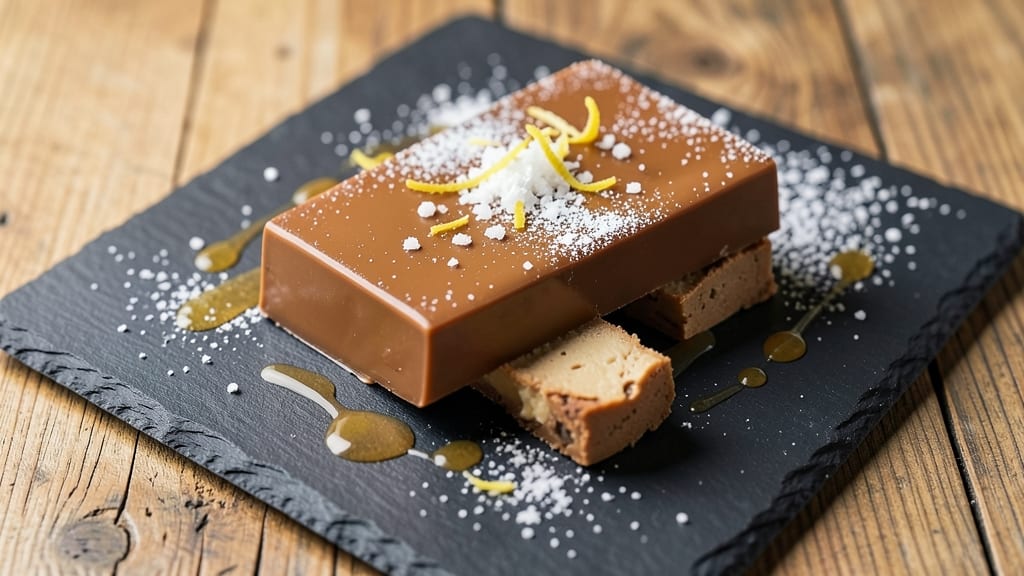
This cacao butter white chocolate recipe delivers velvety, ultra-smooth ganache with a nutty depth that rivals store-bought—but without dairy or refined sugar. The secret lies in cacao butter's rich texture and natural stability, creating a plant-based treat that melts beautifully yet holds its shape perfectly when tempered.
Unlike traditional white chocolate, this version stays creamy at room temperature and resists blooming, making it ideal for gifting or indulgent snacking.
The process is surprisingly straightforward: melt the cacao butter with coconut oil and vanilla extract, then slowly incorporate powdered sugar until you achieve a glossy, ribbon-like consistency. Tempering ensures a professional finish—no guesswork, just a foolproof method that guarantees a glossy, snappy texture.
For extra flavor, consider adding citrus zest or a pinch of sea salt, though the base recipe already delivers a luxurious, buttery richness.
What you'll end up with is restaurant-quality white chocolate that's 100% plant-based, with a velvety mouthfeel and subtle caramel notes from the cacao butter. Unlike commercial versions, this ganache doesn’t rely on stabilizers, so every bite is pure, unadulterated flavor.
The recipe yields about 16 ounces of chocolate, perfect for molding into bars, coating fruit, or drizzling over desserts.
Store the finished chocolate in an airtight container at room temperature for up to two weeks, or refrigerate for extended freshness. For a showstopping presentation, pour the ganache into silicone molds and chill until set.
Whether you're a baking enthusiast or simply craving a luxurious treat, this recipe proves homemade can truly outshine the store-bought version.
Ingredients for cacao butter white chocolate
Fourteen ingredients transform into velvety, plant-based white chocolate with restaurant-quality depth.
| Ingredient | Amount | Notes |
|---|---|---|
| Cacao Butter 🍫 | 8 oz | Unrefined, high-quality preferred |
| Coconut Oil (Refined) 🥥 | 4 oz | Unscented, high melt point |
| Powdered Sugar (Confectioners' Sugar) 🍚 | 1 cup | Fine, clump-free preferred |
| Pure Vanilla Extract 🌿 | 1 tbsp | Bottled, Madagascar preferred |
| Sea Salt (Fine Grain) 🧂 | ¼ tsp | Kosher or Maldon flakes |
| Lemon Zest (Optional) 🍋 | ½ tsp | Freshly grated, organic preferred |
| Dark Cocoa Powder (Optional) 🍫 | 1 tbsp | Dutch-processed for smoothness |
| Xanthan Gum (Optional) 🧪 | ⅛ tsp | For enhanced stability |
| Silicone Chocolate Molds 🔲 | 1 set | For professional presentation |
The cacao butter is non-negotiable for authentic texture—Navitas Organics or Loving Earth brands deliver the richest, most stable fat content. Look for unrefined, minimally processed varieties (no added sugars or oils). Costco or specialty grocery stores often carry high-quality cacao butter in bulk, reducing cost per ounce. For coconut oil, refined ensures neutral flavor—Coconut Oil Co. or Tropical Traditions are reliable choices. Powdered sugar should be sifted before use to prevent graininess; Domino or Wholesome Sweeteners brands are consistently fine. Vanilla extract matters here: Madagascar bourbon adds complexity, while imitation extracts can introduce off-flavors.
No cacao butter? Avocado oil or refined shea butter can substitute at a 1:1 ratio, though texture will differ. Powdered sugar substitutes like maple powder or coconut sugar blend work but may alter sweetness—adjust to taste. For a citrus twist, substitute lemon zest with orange or lime zest (same quantity). The optional cocoa powder and xanthan gum are for advanced techniques: cocoa deepens flavor (use Dutch-processed to avoid bitterness), while xanthan gum improves stability for tempering. Silicone molds are ideal for presentation, but parchment-lined loaf pans work in a pinch. For a nutty depth, consider adding 1 tsp toasted hazelnut powder to the base mixture.
Store finished chocolate in airtight glass containers at room temperature for 2 weeks, or refrigerate for 3 months. Avoid plastic containers—cacao butter can absorb odors. For molding, chill ganache in the fridge for 15-20 minutes before pouring into molds. Once set, unmold gently to preserve shape. To reheat, microwave in 10-second bursts or melt over a double boiler. For gifting, wrap molded chocolates in parchment paper and tie with twine. Leftovers can be repurposed into truffles or bark by mixing with nuts or dried fruit.
Why You'll Love This Recipe
- No Melt-Down Struggles: I’ve made white chocolate from scratch before—messy, temperamental, and always ending with a fridge full of seized batches. This? Just melt cacao butter and coconut oil together, stir in sugar, and you’re done. The texture comes out silky every time, no guesswork.
- Vanilla-Salt Magic: That first bite where the vanilla sings and the flaky salt cuts through? It’s like someone sprinkled fairy dust on a classic. The cacao butter gives it a richer mouthfeel than store-bought, and the salt—just a pinch—makes it taste luxurious without trying too hard.
- Gift-Worthy in Minutes: Between us, I’ve given this to neighbors, coworkers, and my mom’s book club. It’s the kind of treat that looks fancy (mold it into squares or bars) but costs pennies per serving. Wrap it in parchment, tie a ribbon, and suddenly you’re the hero of every holiday swap.
- Pantry Goldmine: Here’s what sold me—this uses ingredients you’re already buying. No weird additives, no dairy if you’re avoiding it, and it keeps for weeks in the fridge. I make a big batch, portion it out, and stash it for baking, snacking, or melting over fruit. Zero waste, all flavor.
Step-by-step instructions for ultra-smooth cacao butter white chocolate
Precision meets indulgence in this method—where temperature control transforms simple ingredients into velvety white chocolate.
Melt the Cacao Butter and Coconut Oil
In a heavy-bottomed saucepan, combine the 8 oz cacao butter and 4 oz refined coconut oil. Place over low heat and stir gently until the mixture reaches 110°F—just warm enough to become fully liquid but not hot enough to degrade the delicate flavors. I use a candy thermometer for accuracy, as exceeding 120°F risks burning the subtle nutty notes of the cacao butter.
Once fully melted, remove from heat and let the mixture rest for 5 minutes. This brief pause allows any residual heat to equalize, ensuring a smooth texture when we combine it with the powdered sugar. The melted base should appear glossy and homogeneous, with no visible fat separation—a sign of proper melting.
Whisk in Powdered Sugar and Stabilizers
With the melted base still warm, gradually whisk in the 1 cup powdered sugar, adding it 1 tablespoon at a time while stirring constantly to prevent graininess. This slow incorporation is critical—powdered sugar absorbs moisture quickly, and adding it all at once creates lumps that never fully dissolve. Use a silicone spatula to scrape the sides and bottom of the pan, ensuring even distribution.
Add the 1 tbsp pure vanilla extract, 0.25 tsp sea salt, and 0.5 tsp lemon zest (if using). For enhanced stability, whisk in the 0.125 tsp xanthan gum and 1 tbsp dark cocoa powder (if using). The mixture should thicken slightly but remain pourable. If it becomes too stiff, gently reheat to 100°F to restore fluidity—just enough to coat the back of a spoon.
Temper for Professional Sheen and Snap
Transfer the mixture to a heatproof bowl and place it over an ice bath, stirring continuously with a silicone spatula. The goal is to cool the ganache to 88°F—this precise temperature ensures the final chocolate develops that signature snap when broken and a glossy finish. Monitor closely; over-cooling can cause sugar crystallization, while under-cooling results in a dull, waxy texture.
Once tempered, quickly pour the ganache into the silicone chocolate molds, filling them ¾ full. Tap the molds gently on the counter to release air bubbles, then smooth the tops with an offset spatula. Place in the refrigerator for 2 hours or the freezer for 1 hour until fully set. The edges should pull cleanly away from the mold, revealing a matte, velvety surface—a hallmark of properly tempered chocolate.
Demold and Finish
Run a small offset spatula around the edges of each mold to loosen the chocolate. Gently flex the silicone to release the ganache, then transfer to a wire rack. For a polished look, dust the tops with an additional 0.25 tsp sea salt or a pinch of lemon zest while still slightly warm. The finished pieces should hold their shape without cracking, with a creamy, nutty depth that lingers on the palate.
Store in an airtight container at room temperature for up to 2 weeks, or refrigerate for extended freshness. The contrast between the rich cacao butter and bright citrus notes makes this white chocolate ideal for gifting, plating, or pairing with dark fruit like raspberries or blackberries.
Pro Tips For Making Cacao Butter White Chocolate
- Melt at 40°C, Not 45°C: I learned this the hard way—cacao butter burns faster than you’d think. Use a thermometer and stop at 40°C (104°F) when melting it with coconut oil, or you’ll end up with a bitter, grainy mess that no amount of sugar can fix. Let it cool slightly before adding the powdered sugar, or you’ll risk clumping.
- Use Refined Coconut Oil: Unrefined coconut oil adds flavor, but it’ll make your white chocolate taste like coconut—trust me, you don’t want that. Stick with refined coconut oil for a clean, neutral base that lets the cacao butter and vanilla shine. It’s a small detail, but it makes a real difference in texture and taste.
- Sift the Powdered Sugar: Skipping this step is how you end up with gritty white chocolate. Sift the powdered sugar through a fine-mesh sieve before mixing it in—it dissolves smoother and prevents lumps. If you’re lazy (like I used to be), at least press it through a mesh strainer with a spoon; it’s not ideal, but it works in a pinch.
- Salt Last, Then Rest: Add the fine sea salt right before setting the chocolate, and give it 10 minutes to settle. If you mix it in early, the salt can draw out moisture and make the texture sticky. Let the mixture cool to 32°C (90°F) before pouring—this guarantees a smooth, snappy finish instead of a sad, greasy blob.
Creative variations of this cacao butter white chocolate
Citrus Infusions
Brighten your white chocolate with 1 tsp orange zest or ½ tsp lime zest for a tropical twist. The citrus oils elevate the cacao butter's nutty depth while adding a refreshing tang.
For a spiced citrus version, infuse the melted cacao butter with ½ tsp ground cardamom before adding coconut oil—this pairs beautifully with orange zest. Always use freshly grated zest (never dried) to preserve maximum flavor. 🍋
Spiced Variations
Add ½ tsp cinnamon or ¼ tsp cayenne pepper to the base mixture for warmth and subtle heat. I love combining 1 tsp toasted coconut flakes with cinnamon for a "white chocolate bark" texture.
For a Mexican-inspired version, mix in ½ tsp chili powder and ¼ tsp ground cumin—the earthy notes complement the cacao butter beautifully. Always toast spices lightly to enhance their aroma before adding.
Nutty Enhancements
Fold in 2 tbsp finely ground hazelnuts or 1 tbsp almond butter for a sophisticated nutty depth. I recommend toasting the nuts first (350°F for 10 minutes) to intensify their flavor. For a praline-like texture, mix in 1 tbsp brown sugar with the powdered sugar—this caramelizes slightly during tempering.
Store-bought nut butters work, but homemade versions (like almond butter from Trader Joe's) deliver superior flavor consistency.
Fruity Swirls
Create marbled effects by folding in 1 tbsp raspberry jam or 2 tbsp finely chopped dried apricots after tempering. For a tropical version, mix in 1 tsp passion fruit puree—the acidity balances the richness.
Always use small amounts (no more than 1 tbsp per flavor) to maintain the ganache's stability. The key is to add these elements after the chocolate has set slightly but before complete hardening for even distribution.
Salted Caramel Twist
Combine 2 tbsp caramelized sugar (made by melting 2 tbsp sugar with 1 tsp water) with the tempered ganache, then finish with an extra ¼ tsp flaky sea salt. This creates pockets of buttery caramel that contrast perfectly with the smooth white chocolate.
For a vegan caramel, use date syrup instead of sugar—simmer 3 tbsp date syrup with 1 tbsp water until thickened (about 5 minutes). The result is a sophisticated, restaurant-worthy variation. 🌟
Herbal Infusions
Steep 1 tsp dried lavender or ½ tsp rose petals in the melted cacao butter base (strain before adding other ingredients) for a floral elegance. I prefer culinary lavender (available at Penzeys Spices) for its mild, sweet aroma.
For a minty freshness, add ½ tsp peppermint extract (adjust to taste—it's potent!). Herbal infusions work best with light citrus zest (like lemon) to balance their intensity. Always use food-grade herbs to ensure safety.
Nutrition facts
Frequently asked questions
Why does this recipe use cacao butter instead of cocoa butter?
Cacao butter delivers a richer, nuttier depth with a lower melting point than traditional cocoa butter, creating a smoother, more velvety texture. It also contains beneficial antioxidants and a higher fat content that mimics dairy-based white chocolate's luxurious mouthfeel. The result is a plant-based treat that stays creamy at room temperature without stabilizers.
Can I make this without coconut oil?
Yes! Substitute with avocado oil or refined shea butter (1:1 ratio) for a neutral flavor profile. Avoid unrefined oils—their strong tastes can overpower the delicate cacao butter. For a more stable fat blend, try mixing 6 oz cacao butter + 2 oz refined coconut oil + 2 oz avocado oil—this balances texture while reducing coconut flavor.
How do I fix grainy texture in my finished chocolate?
Graininess usually means the powdered sugar wasn't fully incorporated or the mixture cooled too quickly. To fix it, gently reheat the ganache to 100°F while stirring, then immediately pour into molds. For prevention, whisk the sugar in 1 tbsp at a time over warm (not hot) water baths to dissolve any lumps before combining. A food processor can also help emulsify stubborn mixtures.
What's the best way to store homemade white chocolate?
Keep it in an airtight glass container at room temperature for up to 2 weeks, or refrigerate for 3 months. Avoid plastic—it absorbs odors and can make the chocolate taste stale. For long-term storage, wrap individual pieces in parchment paper and freeze for up to 6 months. Thaw at room temperature before serving.
Can I use this recipe for dipping fruit or coating nuts?
For dipping, temper the ganache to 88°F (thicker than pouring consistency) and dip fruit or nuts halfway. Let set on parchment paper for 10 minutes before transferring to an airtight container. For coating, spread the tempered chocolate thinly on parchment, sprinkle with toppings (like crushed pistachios), then break into pieces once set. The cacao butter gives it a snap that holds beautifully.