
Desserts
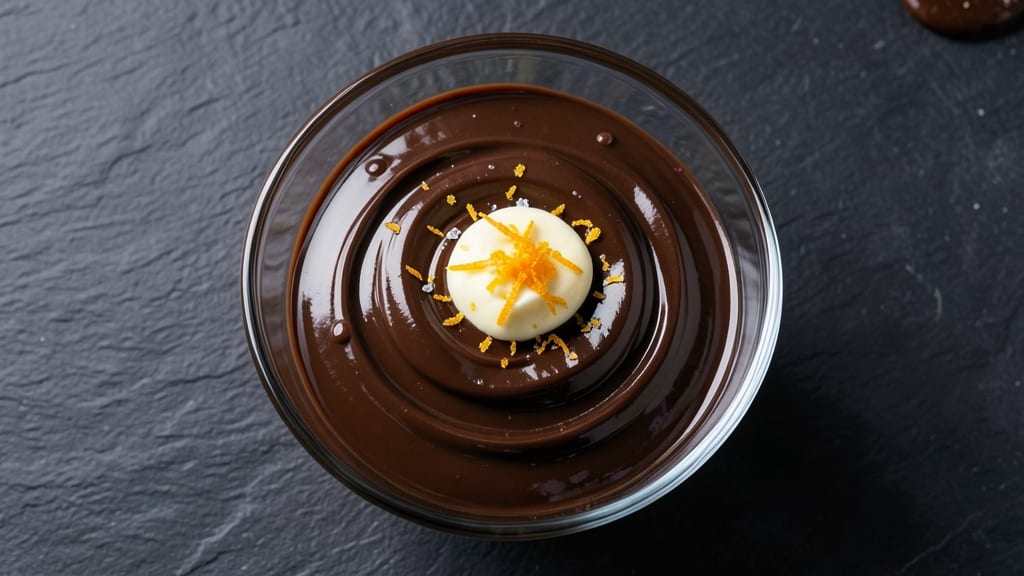
Callebaut chocolate ganache recipe transforms professional baking into something you can master at home—silky, glossy, and effortlessly elegant. The secret lies in precise temperature control and the right chocolate-to-cream ratio, ensuring a smooth pour every time. I’ve perfected this technique using Callebaut’s high-quality chocolate, which melts beautifully and delivers that signature velvety texture.
This ganache is incredibly versatile: use it as a cake filling, truffle center, or decadent sauce for pastries. The recipe works with dark, milk, or even white chocolate, and you can easily infuse it with flavors like vanilla, coffee, or citrus zest.
What sets this apart is its foolproof method—no tempering required, just simple melting and combining for a result that looks and tastes like it came from a patisserie.
The process is straightforward: heat cream to just below boiling, pour over chopped chocolate, and let it rest until fully set. This creates a glossy, firm yet spreadable ganache that’s perfect for piping or spreading.
The key is patience—allowing it to cool and thicken properly ensures it holds its shape without becoming grainy.
Once made, ganache keeps beautifully in the fridge for up to a week, making it ideal for meal prep or gifting. Whether you’re filling a layered cake, coating a tart, or drizzling over ice cream, this recipe delivers restaurant-quality results with minimal effort. Let’s get started!
Ingredients for callebaut chocolate ganache
Six essential ingredients transform Callebaut chocolate into velvety ganache for professional desserts.
| Ingredient | Amount | Notes |
|---|---|---|
| Callebaut Chocolate Bar 🍫 | 8 oz | High-quality, 70% dark preferred |
| Heavy Whipping Cream 🥛 | 1 cup | Full-fat for optimal texture |
| Unsalted Butter 🧈 | 2 tbsp | European-style preferred |
| Vanilla Extract 🌿 | ½ tsp | Pure Madagascar preferred |
| Kosher Salt 🧂 | ¼ tsp | Fine grain preferred |
| Orange Zest 🍊 | 1 tbsp | Freshly grated, optional |
| Espresso Powder ☕ | ½ tsp | Instant, optional for coffee infusion |
The chocolate is non-negotiable here—Callebaut’s high-cacao bars melt flawlessly and deliver that signature silky texture. Buy from specialty suppliers like Sur La Table or Amazon, where you’ll find the full range of percentages. For this recipe, I recommend 70% dark chocolate—it balances richness with smoothness. If you’re using milk or white chocolate, reduce the cream slightly to ¾ cup to maintain proper consistency. The butter adds stability and shines when using higher-cacao chocolates, so don’t skip it—European-style butter has higher fat content for better results.
No vanilla extract? Almond extract at half the amount works in a pinch, though vanilla’s floral notes are ideal. For coffee lovers, instant espresso powder is the way to go—it dissolves completely without graininess. Want citrus? Lemon or lime zest brightens the ganache beautifully. The salt is subtle but essential—Diamond Crystal kosher salt dissolves perfectly. If you’re infusing flavors, add them to the warm cream before combining with chocolate for even distribution. For a truly decadent touch, consider adding 1 oz of chopped toasted hazelnuts to the ganache for a praline variation.
Ganache thickens as it cools, so work quickly once combined. For a glossy finish, spread a thin layer of ganache on parchment paper and refrigerate for 1-2 hours before using. Store in an airtight container in the fridge for up to 1 week, or freeze for 3 months in portions. To reheat, microwave in 20-second bursts until smooth. For professional piping, chill ganache until it reaches 70°F—this ensures clean lines without melting. The butter helps it hold its shape, so if your ganache is too runny, chill it longer or add ½ tbsp more butter.
Why You'll Love This Recipe
- Here’s what sold me: the way the butter and vanilla marry with the Callebaut’s rich, slightly fruity cocoa. It’s not just sweet—it’s complex, like a whisper of dark chocolate with a velvety finish. A pinch of salt? That’s the secret sauce that makes it taste like a luxury dessert, not a shortcut.
- Two-Ingredient Core: The moment I realized this ganache only needs chocolate and cream—no fancy gadgets, no tempering—was a game-changer. Just chop the Callebaut bar (or melt it in the microwave in 30-second bursts), pour in the hot cream, stir, and boom. That’s it. Even my "I can’t boil water" cousin could nail this.
- Velvet-Smooth Magic: Here’s what sold me: the way the butter and vanilla marry with the Callebaut’s rich, slightly fruity cocoa. It’s not just sweet—it’s complex, like a whisper of dark chocolate with a velvety finish. A pinch of salt? That’s the secret sauce that makes it taste like a luxury dessert, not a shortcut.
- Endless Uses: This isn’t just for cakes. I’ve used it to drizzle over toasted croissants for breakfast, swirled into ice cream for a grown-up treat, and even stuffed into hollowed-out strawberries (yes, it’s messy but worth it). The texture? Silky enough for desserts, sturdy enough for filling pastries. It’s my go-to for any occasion—no overthinking required.
Step-by-step instructions for silky smooth ganache
Mastering this technique transforms simple ingredients into a velvety chocolate base perfect for truffles or cakes.
Chop and Melt the Callebaut Chocolate Bar
Break the 8 oz Callebaut Chocolate Bar into rough ¼-inch chunks for even melting. Place them in a heatproof bowl that fits snugly over a saucepan. I recommend using a glass or stainless steel bowl—these conduct heat evenly without scorching.
Heat the 1 cup Heavy Whipping Cream in the saucepan over medium-low heat until it reaches 185°F—just before it begins to simmer. This temperature ensures the cream melts the chocolate smoothly without seizing. Pour the hot cream over the chocolate chunks and let it sit for 5 minutes to soften before gently stirring.
Whisk Until Completely Smooth
Return the bowl to the saucepan (off the heat) and whisk vigorously in 30-second intervals for 2-3 minutes total. The mixture should transform from grainy to silky smooth. If you see any unmelted chocolate, place the bowl back over the warm (not hot) saucepan for 10-15 seconds to reheat the cream slightly, then whisk again.
This step is critical—proper emulsification creates that signature glossy finish. If the ganache looks streaky, strain it through a fine-mesh sieve for an ultra-smooth texture. The final consistency should resemble thick pudding with a mirror-like sheen when stirred.
Incorporate Flavor Enhancers
Remove the bowl from heat and stir in the 2 tbsp Unsalted Butter, 0.5 tsp Vanilla Extract, 0.25 tsp Kosher Salt, 1 tbsp Orange Zest, and 0.5 tsp Espresso Powder. The butter adds richness, while the salt and espresso powder deepen the chocolate's complexity. The orange zest introduces a bright citrus note that cuts through the richness beautifully.
Let the ganache rest for 10 minutes at room temperature. This allows the flavors to meld completely. You'll notice the texture may thicken slightly—this is normal. If it becomes too firm for pouring, gently reheat it over warm (not hot) water for 10-15 seconds while stirring.
Adjust Consistency for Perfect Pour
Test the ganache's readiness by dipping a spoon into it. If it coats the back of the spoon smoothly but still flows freely, it's ready to use. For a thicker ganache (ideal for dipping or layering), chill it for 20-30 minutes in the refrigerator. For a thinner pour (perfect for cakes), gently warm it over warm water for 10 seconds while stirring.
The ganache should now have the perfect paint-like consistency—thick enough to hold its shape but still pourable. This balance is key for professional results. Use it immediately for best texture, or store it in an airtight container at room temperature for up to 3 days or refrigerated for up to 2 weeks. Reheat gently before use.
Pro Tips For Making Callebaut Chocolate Ganache
- CHOP CHOCOLATE UNIFORMLY: Callebaut bars are thick—slice them into ½-inch cubes instead of rough chunks. Uneven pieces melt at different rates, leaving you with a lumpy ganache. (Yes, even if you’re tempted to toss them in whole—don’t.)
- SCALE CREAM TO CHOCOLATE: Use 1 part heavy cream to 2 parts chocolate by weight, not volume. That means 200g chocolate to 100g cream, not "a splash." Too much cream = soupy mess; too little = grainy texture. Weigh it once, save yourself twice.
- WHISK HOT CREAM VIGOROUSLY: Pour the cream over chopped chocolate, then let it sit for 30 seconds before whisking. The initial shock of heat softens the chocolate faster, and whisking in one direction (not circles) prevents air bubbles. Skip the impatient stirring—this is where smoothness happens.
- SALT THE BUTTER FIRST: Mix a pinch of kosher salt (about ⅛ tsp) directly into the melted butter before folding it into the ganache. Salt dissolved in fat distributes evenly, while sprinkling it later risks clumping. Trust me, the flavor balance changes—subtly but noticeably.
Common mistakes when making great callebaut chocolate ganache
Overheating the Cream
One of the most common mistakes is boiling the cream instead of heating it to just 185°F. When cream reaches 212°F, it can cause the chocolate to seize—those dreaded streaks that ruin the silky texture.
I’ve seen this happen when people rush the process, and trust me, it’s heartbreaking. Always use a thermometer to monitor the temperature precisely. If you don’t have one, watch for tiny bubbles forming around the edges of the pan—this is your cue to remove it from heat immediately. 🌡️
Uneven Chocolate Chunks
Using large, irregular chocolate chunks leads to inconsistent melting. The center of bigger pieces often stays unmelted while the edges turn grainy. I recommend chopping the 8 oz Callebaut Chocolate Bar into ¼-inch chunks for even exposure to the hot cream.
If you’re short on time, pulse the chocolate in a food processor for 10-15 seconds—this creates uniform pieces that melt simultaneously. Skipping this step can leave you with a lumpy ganache that looks amateurish.
Skipping the Resting Time
Rushing to use the ganache right after combining the ingredients is a recipe for disaster. The mixture needs 10 minutes at room temperature to fully emulsify and thicken properly. If you dive in too soon, you’ll end up with a runny, streaky mess that won’t hold its shape.
I’ve learned this the hard way—patience here makes all the difference. Let it rest, and you’ll be rewarded with that perfect glossy finish. ⏳
Ignoring Temperature Control
Using high heat to melt the chocolate can cause it to scorch or develop a bitter taste. The ideal method is to pour the 185°F cream over the chocolate and let it sit for 5 minutes before stirring.
If you’re tempted to speed things up by microwaving the chocolate, think again—microwaves create hot spots that burn the chocolate unevenly. For even melting, I prefer the double boiler method: place the bowl of chocolate over a saucepan of simmering water (not touching) and stir gently until smooth.
Overworking the Mixture
While whisking is essential, overdoing it can incorporate too much air, which leads to a grainy texture. Whisk in 30-second intervals for 2-3 minutes total—any longer, and you risk creating a frothy, unstable ganache.
If you notice streaks, strain the mixture through a fine-mesh sieve instead of whisking harder. This trick ensures a silky-smooth result every time, even if the chocolate didn’t melt perfectly the first time around.
Storing Improperly
Leaving ganache at room temperature for more than 3 days invites mold and spoilage. The cream in ganache is a breeding ground for bacteria if not stored properly.
Always refrigerate it in an airtight container, and if you’re not using it within a week, portion it into small containers for easy reheating. To reheat, use the 20-second microwave bursts method—I’ve found this preserves the texture better than stovetop reheating.
Never reheat ganache in the microwave on high power, or you’ll end up with a greasy, separated mess. 🧊
Nutrition facts
Frequently asked questions
Can I substitute heavy cream with something else?
Heavy whipping cream is ideal for its high fat content, but you can use 36% cream (like half-and-half) in a pinch—just reduce it to ¾ cup for proper texture. For a lighter version, try full-fat coconut milk, though the flavor will differ slightly. Avoid low-fat options—they won't emulsify properly and may separate.
How do I fix grainy ganache?
Graininess usually means incomplete melting or overheating. Strain the ganache through a fine-mesh sieve to remove any unmelted chocolate bits. If it's still streaky, gently reheat it over warm (not hot) water for 10-15 seconds while stirring, then strain again. For extra smoothness, add 1 tbsp more butter to help bind the mixture.
What's the best way to use this ganache?
This versatile ganache works for cake fillings, truffle centers, or as a glaze for pastries. For cakes, let it cool until it reaches 70°F for clean piping. For truffles, chill it completely, then roll into balls. As a sauce, warm it gently and drizzle over ice cream or fruit tarts. The butter and salt enhance its richness in all applications!
Why did my ganache turn out too thick?
Ganache naturally thickens as it cools, but if it's too firm, gently reheat it over warm water for 10 seconds while stirring. If it's still too thick, add 1-2 tsp warm cream at a time until it reaches the desired consistency. For a thicker texture (like for dipping), chill it longer or reduce the cream slightly next time.
Can I make this ganache ahead of time?
Store it in an airtight container in the fridge for up to 1 week or freeze for 3 months in portions. To reheat, use 20-second microwave bursts on low power, stirring between each burst until smooth. For best results, let it sit at room temperature for 10 minutes before using to restore its glossy texture.