
Desserts
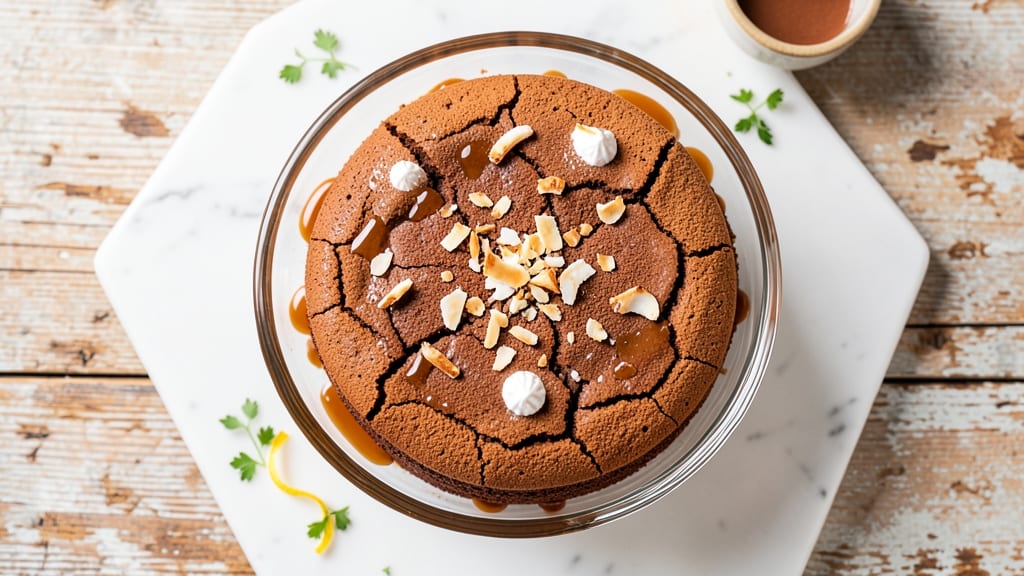
This carob chocolate cake recipe delivers rich, nutty depth without the caffeine jitters or sugar crash. The secret lies in carob powder's earthy sweetness, which creates a moist, fudgy texture that's naturally lower in sugar than traditional chocolate cake.
I developed this recipe after years of experimenting with plant-based baking, and it's become a favorite for those seeking a healthier indulgence.
The cake's magic comes from aquafaba—chickpea brine—that replaces eggs for a light, airy crumb while keeping it moist and tender. No special equipment is needed, just a few pantry staples and a standard mixing bowl.
The recipe also includes simple vegan substitutions for butter, ensuring everyone can enjoy this decadent dessert without compromise.
What you'll end up with is a cake that's dense yet fluffy, with a deep carob chocolate flavor that's both satisfying and subtly sweet. The texture stays moist for days when stored properly, making it perfect for celebrations or satisfying cravings.
Each slice offers that nutty, slightly bitter carob profile without the caffeine kick.
Whether you're baking for a special occasion or treating yourself to a healthier dessert option, this carob chocolate cake delivers restaurant-quality results with minimal effort. The recipe scales easily for larger gatherings, and the leftovers keep beautifully in an airtight container at room temperature.
Ingredients for carob chocolate cake
Twelve ingredients transform into a decadent carob cake with restaurant-quality moistness and nutty depth.
| Ingredient | Amount | Notes |
|---|---|---|
| Carob Powder 🍫 | ¾ cup | High-quality, unsweetened preferred |
| All-Purpose Flour 🌾 | 1 ½ cups | Unbleached, sifted for smooth batter |
| Granulated Sugar 🍚 | ¾ cup | Organic preferred for refined sweetness |
| Coconut Oil, Refined 🥥 | ½ cup | Melted, full-fat for moisture retention |
| Aquafaba 🥫 | 1 cup | Fresh from canned chickpeas, not bottled |
| Vanilla Extract 🌿 | 2 tsp | Pure, Madagascar bourbon preferred |
| Baking Soda 🧂 | ½ tsp | Aluminum-free for best rise |
| Salt 🧂 | ¼ tsp | Fine sea salt for balanced flavor |
| Unsweetened Almond Milk 🥛 | ½ cup | Vanilla-flavored for enhanced aroma |
| Apple Cider Vinegar 🍎 | 1 tsp | For aquafaba activation |
| Dark Chocolate Chips, Vegan 🍫 | ½ cup | 70% cacao minimum, chopped |
| Walnuts, Chopped 🌰 | ½ cup | Toasted for enhanced nuttiness |
Carob powder is the heart of this recipe—Bob's Red Mill or Anthony's Goods brands deliver the finest texture. Look for unsweetened versions to avoid added sugars that undermine the cake's health benefits. The coconut oil should be refined to prevent any coconut flavor interference, though full-fat versions work if you prefer a slightly richer texture. For aquafaba, always use fresh chickpea brine from a can—bottled versions lack the protein structure needed for proper aeration. The walnuts? Toast them first for 3-4 minutes at 350°F—this amplifies their natural oils and brings out the carob's earthy notes.
No carob powder? Cacao powder at half the amount creates a similar chocolatey base, though the flavor will be more bitter. Substituting coconut oil? Vegan butter works 1:1, but it may yield a slightly denser crumb. Aquafaba unavailable? Flax eggs (3 tbsp ground flaxseed + 9 tbsp water per egg) replicate the binding properties, though texture may vary slightly. The almond milk can be swapped for any plant-based milk, but vanilla-flavored versions enhance the cake's aromatic profile. For a deeper chocolate flavor, increase the vegan chocolate chips to 3/4 cup—just reduce the carob powder by 1 tbsp to balance the sweetness.
Store the cake in an airtight container at room temperature for up to 5 days, though it stays moist for 3 days if kept in the refrigerator. For longer storage, wrap tightly in plastic and freeze for up to 3 months. The walnuts and chocolate chips can be prepped ahead and stored separately in the fridge for 1 week. To reheat, microwave a single slice for 20-30 seconds—this restores the fudgy texture without drying it out. The cake's natural moisture means it won't require additional wrapping unless humidity is high.
Why You'll Love This Recipe
- Here’s what sold me: carob’s deep, molasses-like sweetness with none of chocolate’s bitterness. It’s like a grown-up version of that childhood candy bar, but with a sophisticated edge. The coconut oil keeps it tender, so every bite feels indulgent—no guilt, just flavor.
- No Mixer Needed: I swear by this trick—whisking aquafaba into stiff peaks replaces eggs and buttercream. No stand mixer, no fuss, just a sturdy hand and a bowl. The cake stays moist without a single drop of dairy, and honestly? It’s the easiest way I’ve found to get that velvety texture.
- Rich Without Cocoa: Here’s what sold me: carob’s deep, molasses-like sweetness with none of chocolate’s bitterness. It’s like a grown-up version of that childhood candy bar, but with a sophisticated edge. The coconut oil keeps it tender, so every bite feels indulgent—no guilt, just flavor.
- Leftovers That Last: This cake doesn’t dry out or taste stale after three days. I’ve packed it for lunches, sliced it for breakfast, even crumbled it into oatmeal. The aquafaba frosting? It holds up like a dream, so you’re not scrambling to eat it all at once.
Step-by-step instructions for carob chocolate cake
Here's the method for achieving a perfectly moist carob cake with rich nutty depth.
Prepare the Aquafaba Mixture
In a medium bowl, combine the 1 cup aquafaba with the 1 tsp apple cider vinegar. Whisk vigorously for 3-4 minutes until the mixture forms stiff peaks—this mimics egg whites in texture and structure. The aquafaba should hold its shape when you lift the whisk, similar to how whipped egg whites would behave. This step is crucial for achieving that signature moistness in the cake.
In a separate small bowl, melt the 0.5 cup coconut oil, refined gently in a microwave-safe bowl for 30-45 seconds or until completely liquid. Let it cool slightly but remain warm to the touch. The warm oil will blend more smoothly with the aquafaba mixture, preventing any separation later in the batter.
Combine Wet Ingredients
To the aquafaba mixture, add the 0.75 cup carob powder and 0.75 cup granulated sugar. Whisk until completely dissolved and smooth. The carob powder should disperse evenly without any visible clumps, giving the batter its characteristic deep chocolate flavor without caffeine. Add the 2 tsp vanilla extract and mix well to incorporate.
Next, pour in the melted coconut oil while whisking continuously. This step ensures the fat is evenly distributed, which helps create a tender crumb. The batter should now have a thick, glossy consistency similar to traditional chocolate cake batter. If it appears too thick, add 1 tablespoon of unsweetened almond milk at a time until it reaches a pourable consistency.
Incorporate Dry Ingredients
In a separate large bowl, sift together the 1.5 cups all-purpose flour, 0.5 tsp baking soda, and 0.25 tsp salt. Sifting prevents lumps and ensures even distribution of the leavening agent. Gradually pour the dry ingredients into the wet mixture while gently folding with a spatula, being careful not to overmix. The goal is to combine just until no dry spots remain.
Add the 0.5 cup unsweetened almond milk and mix until fully incorporated. The batter should be smooth and thick, with a consistency similar to heavy pudding. Fold in the 0.5 cup dark chocolate chips, vegan and 0.5 cup walnuts, chopped by hand, ensuring even distribution throughout the batter. The walnuts will add a delightful crunch and nutty depth that complements the carob flavor.
Bake to Perfect Moisture
Preheat your oven to 350°F. Grease an 8-inch round cake pan or line it with parchment paper, then pour the batter into the prepared pan and smooth the top with a spatula. Tap the pan gently on the counter to remove any air bubbles that may have formed during mixing.
Bake for 35-40 minutes, or until a toothpick inserted into the center comes out clean. The cake should be golden on top and slightly springy to the touch. Overbaking is the enemy of moisture, so remove it from the oven as soon as the toothpick test is passed. The cake will continue to set as it cools, but removing it promptly ensures it remains tender.
Cool and Serve
Allow the cake to cool in the pan for 10 minutes before transferring it to a wire rack to cool completely. This gradual cooling process helps the cake retain its moisture and prevents cracking. Once fully cooled, you can slice and serve. The cake should have a dense, fudgy texture with a rich carob flavor and subtle nutty undertones from the walnuts.
For the best experience, serve at room temperature. The moist texture and deep chocolate flavor make this cake a perfect choice for those looking to avoid caffeine while still enjoying a decadent dessert. Store any leftovers in an airtight container in the refrigerator for up to 5 days, or freeze for up to 3 months for longer storage.
Pro Tips For Making Carob Chocolate Cake
- MELT THE COCONUT OIL FIRST: I learned this the hard way—trying to mix cold coconut oil into the batter just makes it clump like lumpy butter. Melt it gently (no need to boil) until it’s just liquid, then let it cool slightly before adding. That way, it blends smoothly into the aquafaba without turning the batter into a greasy mess.
- SIFT THE CAROB POWDER: Carob powder is heavier than cocoa, and if you just scoop it straight from the bag, you’ll end up with dense pockets in your cake. Sift it with the flour—yes, even if you’re in a hurry—it lightens the texture and keeps the crumb tender. (I know, I know, but trust the process.)
- WHISK THE AQUAFABA STIFF: Skip the food processor if you’re short on time, but don’t just fold the aquafaba like you’re being gentle with eggs. Whisk it until it holds soft peaks—about 3-4 minutes—so it actually lifts the batter. Otherwise, your cake might sink in the middle, and nobody wants a sad, flat carob brick.
- CHILL THE BATTER 15 MINUTES: I used to pour this batter straight into the pan, convinced it’d bake faster. Wrong. The coconut oil solidifies as it cools, which means less greasiness and a more even rise. Let the batter sit—even if you’re impatient—so the cake doesn’t spread like a pancake or stay dense in the center. (Your future self will thank you.)
Flavor customization for this dish
Spice Level Boost
For a subtle kick, fold in ½ tsp cayenne pepper or 1 tsp smoked paprika with the dry ingredients. The smoky depth of paprika complements carob beautifully, while cayenne adds a gentle warmth that enhances the chocolatey notes.
I find smoked paprika works best—it adds complexity without overpowering the delicate carob flavor. 🌶️
Citrus Zing
Brighten the flavor profile with 1 tbsp fresh orange zest or 2 tbsp lemon juice mixed into the wet ingredients. The citrus cuts through the richness of carob, creating a refreshing contrast that feels surprisingly sophisticated.
For extra zing, add 1 tsp orange extract if you prefer a sweeter citrus note.
Coffee Infusion
Add 1 tsp instant espresso powder or 1 tbsp cold brew concentrate to the wet ingredients for a mocha-inspired twist. The coffee enhances the chocolatey depth while keeping the caffeine content minimal. I recommend using Starbucks VIA instant espresso for the cleanest flavor—it dissolves completely without bitterness.
Nutty Enhancements
Swap the walnuts for pecans or hazelnuts for a different texture profile. Toast the nuts first at 375°F for 5 minutes to intensify their flavor. Pecans add a buttery richness, while hazelnuts bring a slightly sweeter, earthier note that pairs perfectly with carob's natural sweetness.
Sweetness Variations
Reduce the granulated sugar to ½ cup and replace with ¼ cup maple syrup or ¼ cup agave nectar for a more natural sweetness. These alternatives add subtle caramel notes that complement carob's earthy profile.
For a sugar-free option, use ¼ cup monk fruit sweetener, though the texture may be slightly denser.
Frosting Pairings
Top your cake with a vegan cream cheese frosting made from 8 oz cream cheese, ¼ cup coconut oil, and 2 tbsp powdered sugar. For a fruit-based option, try a carob ganache made with ½ cup melted coconut cream and ¼ cup carob powder.
Both pair beautifully with the cake's nutty depth.
Frequently asked questions about carob chocolate cake
Why does this cake use aquafaba instead of eggs?
Aquafaba creates the same light, airy texture as eggs but keeps the recipe completely plant-based. The 1 cup aquafaba combined with vinegar mimics egg whites' structure, giving the cake its signature moistness without any animal products. Plus, it's a zero-waste ingredient from canned chickpeas!
Can I make this cake gluten-free?
Yes! Replace the 1.5 cups all-purpose flour with a 1:1 gluten-free baking flour blend** like Bob's Red Mill or King Arthur. Add ½ tsp xanthan gum if your blend doesn't contain it, as this helps bind the cake. The texture will be slightly denser but still delicious.
How do I fix a cake that's too dense?
Overmixing or underbaking usually causes density. For future attempts, fold dry ingredients gently and bake until a toothpick comes out clean (not crumbly). If your cake is already baked, try slicing it thin and reheating for 10-15 seconds to restore moisture. A sprinkle of almond milk on the warm cake can also help revive it.
What's the difference between carob and cocoa?
Carob is naturally sweeter, caffeine-free, and has a nutty, earthy flavor, while cocoa is more bitter and chocolate-forward. This recipe uses carob for a milder sweetness and lower sugar content—perfect for those sensitive to caffeine or looking for a healthier indulgence. Think of it as chocolate's wholesome cousin!
Can I make this cake ahead of time?
Bake it 1 day in advance and store it in an airtight container at room temperature. The flavors actually improve as it sits. For longer storage, freeze slices wrapped tightly for up to 3 months. Thaw at room temperature for 2 hours before serving.