
Desserts
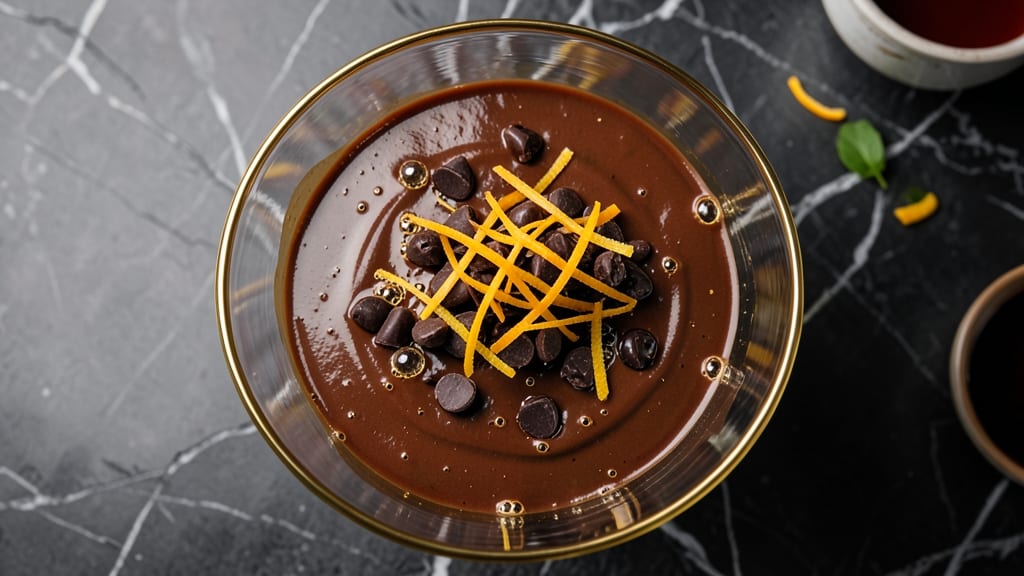
This champagne chocolate recipe transforms decadent ganache into something extraordinary—where effervescent bubbles meet velvety richness for a dessert that feels like a celebration in every bite.
The secret lies in carefully incorporating champagne into the chocolate base, creating a texture that's impossibly smooth yet lively, with subtle citrus notes that brighten the deep cocoa flavor.
What makes this recipe special is the balance: champagne adds complexity without overpowering, while precision techniques ensure the chocolate stays perfectly tempered and glossy.
Unlike traditional chocolate desserts, this recipe requires a two-step process: first, reducing champagne to intensify its flavor, then gently folding it into melted chocolate to create a ganache with delicate bubbles trapped within.
The result is a dessert that's both elegant and approachable—ideal for special occasions or when you want to impress without complicated techniques. Whether you're baking a cake, creating truffles, or simply layering it in glasses, the champagne-infused chocolate delivers a luxurious mouthfeel and a finish that lingers.
The plating possibilities are where this dessert truly shines. Drizzle with extra champagne reduction for a glossy sheen, sprinkle with chocolate shavings for texture, or garnish with fresh berries to add a pop of color.
The contrast between the deep, glossy chocolate and the bright effervescence of the champagne creates a visual and sensory experience that feels restaurant-quality. Chilling is essential to set the ganache properly, but the assembly is simple enough for any home baker to achieve professional results.
Perfect for holidays, anniversaries, or even a spontaneous treat, this recipe proves that indulgence doesn't have to be heavy—just refined. The champagne elevates the chocolate, while the chocolate grounds the bubbles, creating a harmony that's both unexpected and utterly satisfying. Let's bring this sophisticated dessert to your table.
Ingredients for champagne chocolate
Champagne chocolate demands precision—luxurious ingredients that marry bubbles with velvety cocoa for a dessert of refined elegance.
| Ingredient | Amount | Notes |
|---|---|---|
| High-Quality Dark Chocolate Chips 🍫 | 8 oz | 70% cocoa or higher, finely chopped |
| Dry Champagne 🍾 | 1 cup | Brut or Extra Brut, chilled |
| Heavy Whipping Cream 🥛 | 1 cup | Full-fat for best texture |
| Unsalted Butter 🧈 | ½ cup | Cold, cubed for tempering |
| Granulated Sugar 🍚 | ¼ cup | For champagne reduction |
| Orange Zest 🍊 | 1 tbsp | Freshly grated, bright flavor |
| Vanilla Bean 🌿 | 1 whole | Split, seeds scraped |
| Pinch of Salt 🧂 | ⅛ tsp | Fine sea salt |
| Fresh Raspberries 🍓 | ½ cup | For garnish, optional |
| Extra Dark Chocolate Shavings 🍫 | ¼ cup | 85% cocoa, for decoration |
| Lemon Juice 🍋 | 1 tsp | Freshly squeezed |
The champagne is non-negotiable here—Brut or Extra Brut from a quality producer like Moët & Chandon or Veuve Clicquot delivers the crispest flavor profile. If you're using a bottle you've already opened, transfer it to a sealed container and refrigerate immediately to preserve its effervescence. For the chocolate, Valrhona or Callebaut brands are industry standards, but any high-percentage dark chocolate (70% or higher) will work—just ensure it's finely chopped for even melting. The orange zest should be freshly grated; pre-packaged zest often loses its aromatic intensity. Store your vanilla bean in the freezer to preserve its potency for up to 6 months.
No Brut champagne? Prosecco or dry sparkling wine will suffice, though the flavor will be slightly sweeter. Running short on heavy cream? Full-fat coconut cream works as a dairy-free alternative, though the texture will be marginally less stable. Substituting butter with coconut oil is possible, but it lacks the same richness and may affect the ganache's sheen. If you're out of fresh orange zest, a splash of orange liqueur (like Cointreau) can add depth, though it won't replicate the bright citrus notes. For the chocolate shavings, a microplane is ideal, but a sharp knife works in a pinch—just be patient. The lemon juice is critical for balancing the richness; never skip it, even if you're not a fan of citrus.
Champagne should be stored unopened in the fridge for up to 3 months past its printed date, though it’s best consumed within 1-2 weeks of opening. Chocolate chips keep 12 months in a cool, dark pantry, while vanilla beans last 6-12 months frozen. Prep the champagne reduction ahead—it keeps 3 days refrigerated, making it perfect for last-minute plating. For the ganache, assemble it 1-2 hours before serving to allow the bubbles to fully integrate, but don’t refrigerate until 30 minutes before plating to prevent cracking. Garnishes like raspberries and chocolate shavings add freshness and should be added just before serving to maintain their vibrancy.
Why You'll Love This Recipe
- No-Fuss Indulgence: I swear by this recipe because it’s the kind of treat that feels luxurious but takes less effort than boiling water. Just melt chocolate, fold in bubbly cream, and—boom—you’ve got something that tastes like a fancy dessert shop.
- Bubbly Luxury: That dry champagne isn’t just for show—it lightens the texture and adds a bright, almost citrusy lift that cuts through the richness. Honestly, it’s the secret weapon that makes this taste like a dessert, not just chocolate.
- Date Night Ready: This recipe is my go-to for impressing someone without stressing. Serve it warm with berries or a dusting of powdered sugar, and suddenly you’re the host of a Parisian café. (Yes, even on a Tuesday night.)
- Leftovers? Better: The good news? This keeps beautifully in the fridge for days. The bad news? You’ll be tempted to eat it all before then. I’ve learned the hard way—cover it tightly or risk waking up to a half-empty container.
Step-by-step instructions for champagne chocolate layers
Here's how to craft an elegant dessert where effervescent champagne meets velvety chocolate.
Temper the Chocolate for Perfect Ganache
Place the 8 oz high-quality dark chocolate chips in a heatproof bowl set over a pot of simmering water, ensuring the bottom doesn't touch. Stir occasionally until the chocolate melts completely and reaches 110°F. Remove from heat and let it cool slightly to 90°F while preparing the champagne reduction.
This tempering step is critical—it creates a glossy, stable ganache that won't seize up. If the chocolate gets too hot beyond 110°F, it will lose its snap and become grainy. Work quickly but deliberately to maintain that ideal temperature window.
Reduce Champagne with Sugar and Citrus
In a separate saucepan, combine the 1 cup dry champagne, 0.25 cup granulated sugar, 1 tbsp orange zest, and 1 tsp lemon juice. Bring to a simmer over medium-high heat and reduce by half—about 8-10 minutes—until syrupy and slightly thickened. Strain through a fine-mesh sieve to remove zest.
The reduction should coat the back of a spoon and have a delicate balance of sweetness and acidity. If it reduces too quickly, lower the heat to prevent alcohol evaporation. This champagne base is the secret to that signature effervescent brightness in every bite.
Infuse Cream with Vanilla and Butter
In a separate saucepan, heat the 1 cup heavy whipping cream and 0.5 cup unsalted butter (cubed) over low heat until the butter melts completely—about 3-4 minutes. Remove from heat, add the scraped 1 whole vanilla bean and 0.125 tsp pinch of salt, then let steep for 10 minutes. Strain out the vanilla pod.
This infusion step transforms ordinary cream into a fragrant, velvety base. The butter adds richness while the vanilla deepens the flavor profile. Keep the temperature below 160°F—any hotter and the cream will scorch or lose its ability to whip properly later.
Combine Layers for Textural Contrast
Gently fold the tempered chocolate into the warm cream mixture until fully incorporated, creating a smooth ganache. Divide this into four 4-ounce portions and chill in the freezer for 15 minutes to firm up slightly. In a separate bowl, whip the remaining 1 cup heavy whipping cream to stiff peaks and set aside.
The ganache should be thick but pourable—like molten lava that holds its shape. If it's too thin, chill longer; if too thick, warm gently. This layering technique creates the signature contrast between silky chocolate and airy cream in each bite.
Assemble and Garnish for Presentation
In a 4-ounce serving dish, layer 1 ounce of ganache, then 2 tablespoons of whipped cream, repeating until all components are used. Top each with 0.5 cup fresh raspberries and 0.25 cup extra dark chocolate shavings. Chill for at least 2 hours before serving to let flavors meld.
The raspberries add a tart contrast while the chocolate shavings provide a crisp, visual finish. Serve at room temperature—the ganache should be firm but still melt gently on the tongue. Each spoonful delivers the perfect marriage of champagne's effervescence and chocolate's decadence.
Pro Tips For Making Champagne Chocolate
- Temper That Champagne: Warm the dry champagne to just above room temperature—about 70°F—before adding it to the chocolate. Cold champagne will seize up your mixture like a bad first date, and you’ll end up with a grainy, sad sauce instead of silky perfection. I learned this the hard way after making a batch that looked like it had been through a blender with rocks.
- Whip Cream to Stiff Peaks: Don’t skimp on the heavy whipping cream—use it cold straight from the fridge and whip it until it holds stiff peaks that don’t flop when you lift the whisk. If it’s underwhipped, your final texture will be more pudding than mousse; if it’s overwhipped, you’ll get butter. Aim for peaks that stand tall like they’re judging your life choices.
- Melt Chocolate Slowly: Heat the dark chocolate and butter together over low heat or in short bursts in the microwave (30-second intervals), stirring constantly. High heat turns chocolate into a greasy mess, and you’ll regret it when your sauce separates like oil and water. Patience here guarantees a smooth, glossy finish—no one wants to eat chocolate pudding.
- Strain for Smoothness: After combining everything, strain the mixture through a fine-mesh sieve into your serving dish. This catches any chocolate bits or skin that might’ve formed, giving you a velvety result every time. Yes, it’s an extra step, but your guests will notice the difference—trust me, I’ve served both versions.
Perfect pairings for champagne chocolate
Wine Pairings
For this champagne chocolate dessert, you’ll want wines that complement its effervescent brightness and deep cocoa notes. A dry Riesling from Germany or Alsace is my go-to—its crisp acidity and honeyed citrus cut through the richness beautifully.
The Mosel region produces some of the finest examples, like Dr. Loosen Blue Slate, which balances the dessert’s sweetness with its mineral edge. 🍷
Champagne Cocktails
If you’re serving this dessert at a celebration, why not pair it with a champagne cocktail? Mix 2 oz Brut champagne with ½ oz St-Germain (elderflower liqueur) and a squeeze of fresh lemon.
The floral notes of the liqueur enhance the dessert’s citrusy champagne reduction, creating a harmonious flavor bridge. Serve in coupe glasses for an elegant touch.
Coffee Pairings
For a post-dinner moment, a dark roast coffee with notes of cocoa and caramel pairs wonderfully. I recommend a single-origin Ethiopian Yirgacheffe—its fruity acidity and chocolatey undertones mirror the dessert’s complexity.
Brew it as a V60 pour-over for clarity and brightness, or enjoy a cortado for a velvety, creamy finish. ☕
Non-Alcoholic Options
Don’t overlook sparkling alternatives for those who prefer not to drink alcohol. A sparkling apple cider like Martinelli’s adds a crisp, fruity contrast to the chocolate’s depth.
For something more sophisticated, try a sparkling blood orange soda—the citrusy tang complements the orange zest in the ganache. Serve chilled for the best effect. 🍎
Garnish Enhancements
Elevate your dessert’s presentation by drizzling a champagne reduction (from the recipe) over the top just before serving. For an extra touch, add edible gold leaf or mint leaves—the metallic sheen or fresh herb adds a luxurious contrast.
A sprinkle of toasted hazelnuts introduces a nutty crunch that balances the dessert’s smoothness. ✨
Nutrition facts
Frequently asked questions
Why does this recipe use champagne instead of regular wine?
The effervescence and acidity of champagne create a unique texture and brightness that flat wines can't match. The bubbles add a delicate lift to the rich chocolate, while its natural acidity cuts through the sweetness, balancing the dessert's flavors. Brut champagne works best—its dry profile prevents the dessert from tasting overly sweet.
Can I make this recipe without alcohol?
Replace the champagne with 1 cup dry sparkling apple cider or sparkling white grape juice for a non-alcoholic version. The key is using something fizzy and slightly acidic to mimic champagne's bright flavor. Just reduce it by half (8-10 minutes) just like the original recipe.
How do I fix grainy chocolate in my ganache?
Grainy chocolate usually means the chocolate wasn't tempered properly or got too hot. To fix it, whisk in 1 tablespoon of warm heavy cream or 1 teaspoon of vegetable oil while the ganache is still warm. If the texture is still off, strain it through a fine-mesh sieve before using.
Can I use white chocolate instead of dark?
While possible, white chocolate lacks the depth of flavor that dark chocolate provides. If you must use it, opt for high-quality white chocolate with at least 30% cocoa butter and add 1 extra tablespoon of orange zest to compensate for the milder taste. The champagne reduction will still enhance it, but the final dessert won't have the same rich complexity.
How long will this dessert keep in the fridge?
This layered dessert stays fresh for 3-4 days when stored properly in an airtight container. The ganache may firm up further but can be brought to room temperature before serving. For best texture, assemble it the day you plan to serve it—chilling too long can make the whipped cream soggy.