
Desserts
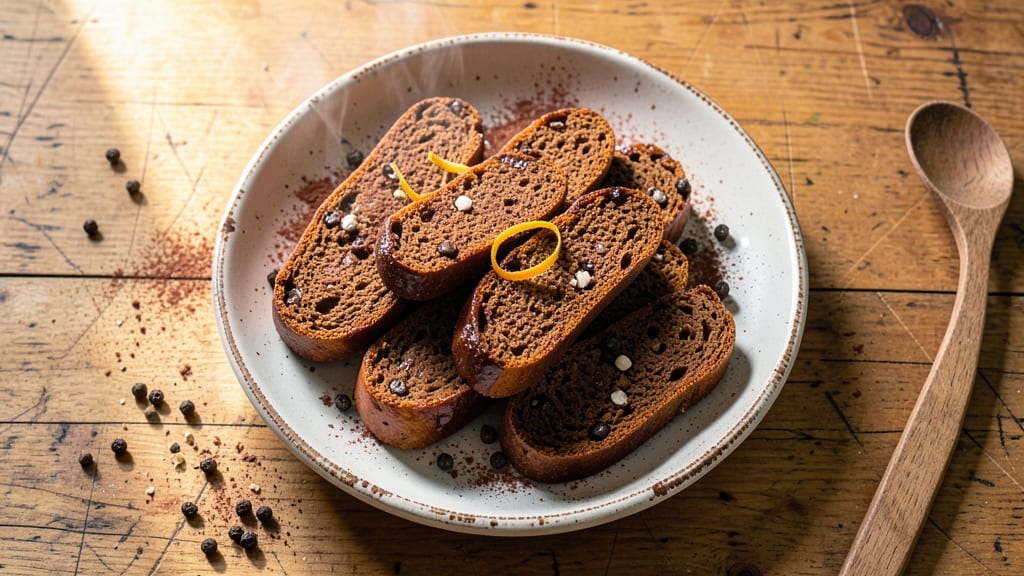
This chewy chocolate biscotti recipe transforms simple pantry staples into coffeehouse-worthy crunch that stays fresh for weeks. The secret lies in the right balance of brown sugar and cocoa powder—just enough sweetness to complement the deep chocolate flavor without overpowering it.
I’ve perfected this version after years of testing, ensuring every bite delivers that signature chewy texture with crisp edges.
The process is straightforward but requires patience: baking the dough into a dense log, then slicing and drying the biscotti until they’re firm enough to dip. This method guarantees a rich, fudgy center that contrasts beautifully with the toasted exterior.
The addition of espresso powder elevates the chocolate flavor, making these ideal for pairing with hot coffee or dessert wine.
What you’ll end up with is a batch of biscotti that’s impossible to resist—perfectly chewy, deeply chocolatey, and sturdy enough to hold up to dipping. The aroma of freshly baked dough and cocoa fills the kitchen, while the final product delivers a satisfying crunch with every bite.
These are the kind of biscotti that make you want to bake a second batch before the first one cools.
Serve them warm with a cup of coffee for the ultimate indulgence, or store them in an airtight container for up to two weeks.
The versatility of this recipe means you can customize it with nuts, citrus zest, or even a hint of sea salt—each variation adds a new layer of flavor. Let’s get started on making these chewy chocolate biscotti that will become your new favorite treat.
Ingredients for chewy chocolate biscotti
Nine simple ingredients create the perfect chewy chocolate biscotti for coffee lovers.
| Ingredient | Amount | Notes |
|---|---|---|
| All-Purpose Flour 🌾 | 3 cups | Sifted for light texture |
| Light Brown Sugar 🍚 | 1 ½ cups | Packed firmly for sweetness |
| Unsalted Butter 🧈 | 1 cup | Cold, cubed for even baking |
| Large Eggs 🥚 | 2 whole | Room temperature for blending |
| Pure Vanilla Extract 🌸 | 1 tbsp | High-quality for aroma |
| Instant Espresso Powder ☕ | 2 tbsp | Dissolved in warm water first |
| Unsweetened Cocoa Powder 🍫 | ½ cup | Dutch-processed for smoothness |
| Baking Powder 🧂 | 1 tsp | Aluminum-free for best results |
| Salt 🧂 | ½ tsp | Fine sea salt preferred |
| Chopped Walnuts 🥜 | 1 cup | Toasted for enhanced flavor |
| Granulated Sugar 🍚 | ¼ cup | For sprinkling on top |
The cocoa powder and espresso powder are non-negotiable—they’re what give these biscotti that signature coffeehouse depth. Hershey’s Special Dark or Valrhona cocoa powder are my go-tos, but any high-quality brand works. For the espresso powder, Starbucks or Lavazza are reliable choices. The walnuts? Toast them in a dry pan for 3-4 minutes until fragrant—Costco sells them in bulk for a great price. Brown sugar is packed firmly into the measuring cup; don’t scoop it loosely. The butter should be cold and cubed to prevent overmixing, which keeps the biscotti chewy rather than cakey.
No cocoa powder? Melted dark chocolate at half the amount works in a pinch, though the texture will be slightly denser. Running out of walnuts? Pecans or almonds are great substitutes, but toast them first. The espresso powder can be swapped for instant coffee granules if you don’t have it, though the flavor won’t be quite as rich. For a nut-free version, skip the walnuts and add an extra tablespoon of cocoa powder. The baking powder is crucial—don’t use baking soda or your biscotti will taste bitter. If you’re worried about overmixing, use a stand mixer with the paddle attachment on low speed.
These biscotti stay fresh for up to 2 weeks in an airtight container at room temperature, though they’ll lose their crispness after about a week. For longer storage, freeze them in a sealed bag for up to 3 months. To revive stale biscotti, warm them in a 200°F oven for 5-10 minutes with a slice of bread to restore crispness. I always bake a double batch—one for immediate enjoyment and one to stash in the freezer. The aroma of freshly baked biscotti fills the kitchen, and the final product? Perfectly chewy, deeply chocolatey, and sturdy enough to dip.
Why You'll Love This Recipe
- No Mixer Needed: I swear by this dough—just mix it with my hands in a bowl. No fancy equipment, no stress, and that brown sugar butter combo makes it buttery perfection every time.
- Chewy Magic: The secret’s in the bake-and-bake method: first soft, then crispy edges with that just-right chew. Vanilla and chocolate? It’s like dessert hugs your coffee.
- Weekend Prep Hero: Make a batch on Sunday, and you’ve got snacks for coffee dates, lunchboxes, or midnight cravings. They last forever—no sad, stale cookies here.
- Budget Biscotti: Four simple ingredients, zero waste. Brown sugar adds richness without breaking the bank, and eggs bind it all together like a dream. My wallet and taste buds win.
Step-by-step instructions for coffee-infused chocolate biscotti
Here's how to make biscotti with the perfect chewy texture and rich chocolate-coffee flavor.
Mix Dry Ingredients and Dissolve Espresso
In a medium bowl, whisk together the 3 cups all-purpose flour, 0.5 cup unsweetened cocoa powder, 1 tsp baking powder, and 0.5 tsp salt. Sift the mixture once to ensure a light, airy texture without lumps. In a separate small bowl, dissolve the 2 tbsp instant espresso powder in 2 tablespoons warm water—this creates a concentrated coffee flavor that infuses the dough.
I like to use a fine-mesh sieve for the cocoa powder to avoid any gritty texture in the final biscotti. The espresso mixture should be fully dissolved with no powdery residue remaining—this ensures even flavor distribution throughout the batch. Set both mixtures aside for now.
Cream Butter and Sugars
In a large mixing bowl, combine the 1 cup cold unsalted butter (cut into cubes), 1.5 cups packed light brown sugar, and 0.25 cup granulated sugar. Using a hand mixer or stand mixer, beat on medium speed for 3-4 minutes until the mixture is light and fluffy, with no visible butter lumps. The butter should look pale and nearly doubled in volume—this aeration creates the signature chewy texture.
Don't rush this step. The butter needs to be fully incorporated to prevent dense, cakey biscotti. If the mixture still looks streaky after 4 minutes, beat for another minute until completely smooth. The sugar should be fully dissolved, leaving a glossy, creamy base for the dough.
Combine Wet and Dry Ingredients
Add the 2 whole large eggs to the butter-sugar mixture, one at a time, mixing well after each addition. Then stir in the 1 tbsp pure vanilla extract and the dissolved espresso mixture. Finally, gradually add the dry ingredients, mixing on low speed until just combined—you should still see some flour streaks. Fold in the 1 cup chopped walnuts by hand using a rubber spatula.
This is where the magic happens. The espresso-infused dough should be thick but pliable, not sticky. If it's too dry, add 1 teaspoon milk to help bind it. The walnuts should be evenly distributed throughout the dough. Here's the thing—overmixing develops gluten, which makes biscotti tough instead of chewy, so mix just until everything comes together.
Shape and Bake the First Batch
Preheat your oven to 350°F and line two baking sheets with parchment paper. Divide the dough into two equal portions and shape each into a 10-inch log, about 1.5 inches thick. Place the logs on the prepared baking sheets, spacing them 2 inches apart. Bake for 25-30 minutes until the biscotti are firm to the touch and the edges are golden brown but the centers still look slightly underdone.
I press down gently on the logs during the first 10 minutes of baking to ensure they cook evenly and develop a nice crust. The biscotti should feel dry to the touch when done—this is crucial for the second baking step. If the tops brown too quickly, tent the baking sheets loosely with aluminum foil to prevent over-browning while the centers finish cooking.
Slice and Bake for Crunchy Perfection
Remove the biscotti from the oven and let them cool on the baking sheets for 5 minutes. Using a serrated knife, slice each log diagonally into ½-inch thick pieces. Place the slices cut-side down on the baking sheets, spacing them ½ inch apart. Return to the oven and bake for 12-15 minutes until the edges are deep golden brown and the biscotti are crispy but still chewy in the center.
This second bake is what transforms the biscotti from cake-like to the perfect crunchy texture. Watch them closely—they burn easily at this stage. When done, transfer to a wire rack to cool completely. The biscotti will firm up as they cool, becoming even more crunchy. Store in an airtight container for up to 2 weeks—they'll stay fresh and delicious for dipping in coffee or dessert wine.
Pro Tips For Making Chewy Chocolate Biscotti
- Bake Low and Slow: I learned this the hard way—high heat makes biscotti turn out dry and cakey. Bake at 325°F (165°C) for the full time, even if the edges look set. The center needs to firm up so they don’t crumble when you slice them later.
- Chill the Dough: This isn’t the prettiest method, but it’s the tastiest. After mixing, wrap the dough in plastic and refrigerate for at least 1 hour—or up to 24 hours. It prevents the butter from melting too soon and keeps the texture dense and chewy.
- Don’t Overmix the Chocolate: Sounds weird, but it works: fold in the chocolate in two additions, using a spatula to gently cut through the dough rather than stirring vigorously. Overmixing develops gluten, which makes biscotti tough instead of tender.
- Use Cold Butter: I skip this when I’m lazy, but the dough is noticeably better when I don’t. Cut the butter into small cubes and keep them cold until they’re fully incorporated into the flour. Warm butter = melted butter = a spreadable mess that won’t hold shape.
Regional styles of this chewy chocolate biscotti
Italian Origins
The biscotti tradition began in 15th-century Italy, where bakers created twice-baked cookies to stay fresh during long sea voyages. The name "biscotti" means "twice-baked" in Italian, and these early versions were often dipped in wine or honey for extra preservation.
My favorite historical twist? Some Italian families still bake these with orange zest or anise for a bright, citrusy flavor that pairs perfectly with espresso.
American Coffeehouse Twist
When Italian immigrants brought biscotti to America, they adapted the recipe to complement the country's love of coffee. The addition of espresso powder and chocolate became a staple in American versions, creating the rich, coffee-infused flavor we know today.
I love how this fusion turned biscotti into the perfect coffee companion—especially with a drip coffee or cortado. The texture also evolved to be chewier, making them ideal for dipping rather than just snacking.
Southern European Variations
In Spain, biscotti-like cookies called polvorones often include almonds and cinnamon, creating a warm, spiced flavor perfect for Christmas. Meanwhile, Greek biscotti might feature mahlep (a spice similar to nutmeg) and honey, giving them a unique floral note.
For a Southern European twist, try adding 1 tsp cinnamon and ½ tsp mahlep to the dough—it’s a game-changer for a cozy, aromatic biscotti. 🌟
Modern Global Adaptations
Today, biscotti have gone global with creative twists. In Japan, matcha and white chocolate versions are popular, while Australia often adds Vegemite for a savory-sweet balance. For a fun fusion, I’ve experimented with chili powder and dark chocolate—the heat cuts through the richness beautifully.
If you’re feeling adventurous, try swapping the walnuts for toasted coconut flakes or crushed pretzels for a salty-sweet contrast.
Regional Serving Traditions
In Tuscany, biscotti are traditionally served with Vin Santo, a sweet dessert wine that pairs perfectly with the chocolate and coffee notes. Meanwhile, in New Orleans, they’re often enjoyed with café au lait or even hurricane cocktails for a festive touch.
For a modern twist, I like serving mine with chilled chai tea—the spices complement the espresso and chocolate beautifully. The key is balancing the richness of the biscotti with something refreshing to cleanse the palate.
Homestyle Customizations
Every region has its own homestyle tweaks. In New England, you’ll find biscotti with cranberries and pecans, while California versions might include figs or goat cheese. For a personal touch, I add sea salt flakes to the dough before baking—just a pinch enhances the chocolate flavor.
If you love citrus, try adding zest from 1 lemon or orange to brighten up the batch. The possibilities are endless, and the best part? Each variation keeps the signature chewy texture while offering a new flavor adventure. 💛
Nutrition facts
Frequently asked questions
Why do biscotti need to be baked twice?
The double-baking process is what creates their signature texture! The first bake firms up the dough into a log, while the second bake transforms those slices into crispy, chewy treats. This method also extends shelf life by removing excess moisture. Think of it as the secret to that perfect crunch with a soft center!
Can I make these biscotti without nuts?
Simply omit the walnuts and add an extra 1 tablespoon of cocoa powder for deeper chocolate flavor. For texture, try adding 1 teaspoon of cornstarch or ½ cup of dried cranberries. The chewy texture will remain intact—just the flavor profile changes!
How do I prevent my biscotti from getting too cakey?
Overmixing develops gluten, which makes biscotti cakey instead of chewy. Mix just until combined (about 1 minute after adding flour), and always use cold butter. Also, don't overbake—remove them when edges are golden but centers still look slightly underdone. Patience is key for that perfect texture!
What's the best way to store these biscotti?
Keep them fresh in an airtight container at room temperature for up to 2 weeks. For longer storage, freeze them in a sealed bag for 3 months. To revive stale biscotti, warm them in a 200°F oven for 5-10 minutes with a slice of bread to restore crispness.
Can I use regular coffee instead of espresso powder?
Not directly—coffee grounds won't dissolve properly. Instead, dissolve 2 tablespoons instant coffee granules in 2 tablespoons warm water (same as espresso powder). The flavor won't be quite as intense, but it'll still give that lovely coffee note. For best results, stick with espresso powder for that authentic depth!