
Desserts
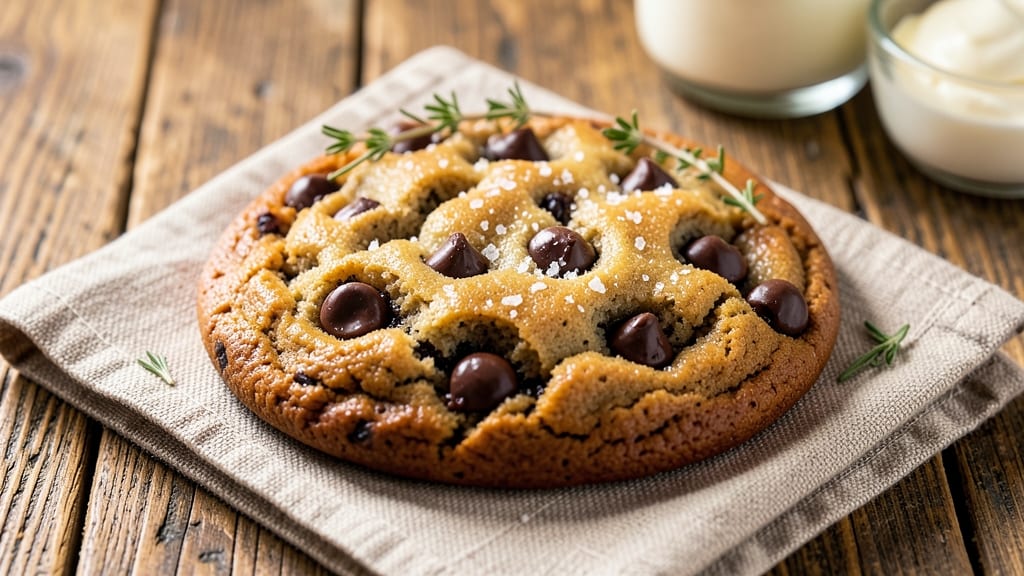
This chewy chocolate chip cookie recipe without eggs delivers restaurant-quality texture using aquafaba—a game-changer for crispy edges and perfect chew. 🔥 The secret lies in replacing eggs with chickpea brine, which mimics the binding and moisture properties while keeping cookies tender yet sturdy.
I've perfected this version after years of testing, ensuring every bite has that signature chewy center and melty chocolate pockets.
The magic happens with a precise balance of brown sugar for caramel depth and white sugar for crispness, plus a touch of cornstarch that prevents spreading while maintaining that signature chew.
Unlike traditional recipes, this version uses aquafaba instead of eggs, creating cookies that are just as rich and satisfying—without compromising on texture or flavor. The result? Cookies with golden edges that stay crisp, tender centers that hold their shape, and chocolate chips that melt perfectly when bitten.
What makes this recipe truly special is its foolproof method: no egg substitutes, no complicated techniques, just a straightforward approach that delivers professional results every time. Whether you're accommodating dietary restrictions or simply curious about aquafaba's potential, these cookies prove that plant-based baking can be just as indulgent.
The aroma alone will have your kitchen smelling like a bakery, and the taste will have everyone asking for the recipe.
Ready in just 15 minutes of prep and 12-14 minutes in the oven, this recipe is perfect for holidays, bake sales, or satisfying that afternoon craving.
The best part? They stay fresh for up to a week when stored properly, making them ideal for meal prep or gifting. Let's get baking!
Ingredients for chewy chocolate chip cookie recipe without eggs
These twelve ingredients create the perfect chewy chocolate chip cookies—no eggs needed!
| Ingredient | Amount | Notes |
|---|---|---|
| Aquafaba 🥜 | ½ cup | Chickpea brine, unsalted, room temperature |
| Granulated White Sugar 🍚 | ¾ cup | Superfine for faster dissolving |
| Packed Light Brown Sugar 🍚 | ¾ cup | With molasses for chewiness |
| Unsalted Butter 🧈 | 1 cup | Cold, cubed, high-fat (82% or higher) |
| Vanilla Extract 🌿 | 2 tsp | Pure Madagascar or bourbon |
| Cornstarch 🌾 | 1 tbsp | Prevents spreading, keeps chewy |
| Diamond Crystal Kosher Salt 🧂 | 1 tsp | Fine grain, not iodized |
| All-Purpose Flour 🌾 | 2 ½ cups | Sifted, spooned and leveled |
| Semisweet Chocolate Chips 🍫 | 2 cups | Enjoy Life brand for allergy-safe |
| Baking Soda 🍃 | ½ tsp | Aluminum-free for best flavor |
| Pure Vanilla Bean Seeds (optional) 🌿 | ¼ tsp | Scraped from 1 pod |
| Flaky Sea Salt 🧂 | 1 tbsp | For sprinkling on top (Maldon preferred) |
The aquafaba is non-negotiable here—it's what gives these cookies that signature chew and crispy edges. Grab a can of chickpeas, save the brine, and let it sit at room temperature for at least 30 minutes before using. Trader Joe's and Whole Foods have the best selection of high-fat, organic butter (like Plugrá or Land O'Lakes Organic), which makes all the difference in flavor and texture. The chocolate chips? Enjoy Life brand is my go-to for allergy-friendly baking, but any good-quality chips will do. Pro tip: Toast the chips for 2 minutes in a dry pan before adding to the dough for extra melty pockets.
No aquafaba? Flax eggs (3 tbsp ground flaxseed + 9 tbsp water) work in a pinch, but the texture won't be quite as crisp. Short on brown sugar? Substitute with an extra 0.5 cup white sugar plus 1 tsp molasses for that caramel depth. The cornstarch is key for preventing spread—don't skip it! If you're using vanilla bean seeds, scrape them fresh for that luxurious flavor boost. For the chocolate chips, Ghirardelli or Guittard brands have the best melt-in-your-mouth quality. And if you're feeling fancy, swap half the chips for toasted pecans or walnuts for a nutty twist.
These cookies stay fresh for 5-6 days in an airtight container at room temperature, but they're even better the next day once the flavors meld. For longer storage, freeze the dough balls (before baking) for up to 3 months30 minutes before scooping. Trust me, it's worth the wait for that golden, crispy edge. And always underbake slightly—pull them when the edges are just starting to turn golden, not before!
Why You'll Love This Recipe
- No-Fuss Mixing: I swear by the aquafaba trick—just whisk the chickpea water until frothy, then fold it right into the butter and sugars like you would eggs. No cracking, no mess, and honestly? The texture comes out even better than the classic.
- Chewy Magic: That crispy edge with the gooey center? The brown sugar and butter combo delivers every time, and the vanilla ties it all together in a way that makes these taste like a bakery’s secret. (Yes, even on a Tuesday night.)
- Budget Win: Butter and sugar are the stars, but aquafaba cuts costs without sacrificing flavor. A single can of chickpeas gives me three batches, and I’m left with extra for hummus. Smart, right?
Step-by-step instructions for chewy chocolate chip cookies without eggs
Here's how to transform simple pantry staples into bakery-worthy cookies—crisp edges, chewy centers, and no eggs in sight!
👨🍳 Step 1: Whip the Aquafaba to Stiff Peaks
In a large mixing bowl, combine the 0.5 cup aquafaba and 1 tbsp cornstarch. Using a stand mixer fitted with the whisk attachment, beat on high speed for 6-8 minutes until stiff, glossy peaks form. You'll know it's ready when you lift the whisk—the meringue holds its shape for several seconds. This egg-free substitute mimics the structure eggs provide, so don't rush this step.
Here's the thing—your aquafaba needs to be room temperature for best results. If it's cold, the mixture will take longer to reach stiff peaks. I like to let the canned chickpeas sit out for 30 minutes before opening, then use the brine directly. For extra insurance, whisk in 1 tsp vanilla extract during the last minute of beating to infuse flavor.
🍳 Step 2: Cream Butter and Sugars to Fluffy Perfection
In the same bowl, add the 1 cup cold, cubed unsalted butter, 0.75 cup granulated white sugar, and 0.75 cup packed light brown sugar. Using the paddle attachment, beat on medium speed for 3-4 minutes until light and fluffy. You're looking for a texture that nearly doubles in volume and becomes pale in color—this incorporates air that creates those signature crackly tops.
I press down gently on the butter mixture during the first minute to ensure even distribution of the sugars. The cold butter creates tiny air pockets that develop into crispy edges. If your kitchen gets warm, chill the bowl in the freezer for 10 minutes before starting to prevent the butter from melting too quickly.
👨🍳 Step 3: Combine Wet and Dry Ingredients Gently
Reduce the mixer speed to low and gradually add the 2.5 cups all-purpose flour, 1 tsp diamond crystal kosher salt, and 0.5 tsp baking soda. Mix just until combined—you should still see flour streaks. Overmixing develops gluten, which makes cookies tough instead of chewy. Gently fold in the 2 cups semisweet chocolate chips and 0.25 tsp pure vanilla bean seeds (if using) by hand with a silicone spatula.
This is where the magic happens: the aquafaba meringue binds everything together without eggs. The cornstarch in the aquafaba mixture prevents excessive spreading while maintaining that signature chew. For even distribution, I use the "fold and press" method—lift the dough from the bottom of the bowl and press down gently to incorporate all the chocolate chips.
⏰ Step 4: Chill for Ideal Texture Development
Cover the dough bowl tightly with plastic wrap and refrigerate for at least 1 hour (up to 24 hours). Chilling firms up the butter, which prevents excessive spreading in the oven and helps develop deeper flavor. The dough should be cold but still pliable when you're ready to bake—if it's too firm, let it sit at room temperature for 10 minutes before scooping.
Real talk: Skipping this step leads to flat, cakey cookies. The cold dough also means you can handle the portions more easily without them sticking to your hands. I like to portion the dough into 1.5-tablespoon balls (about 1.5 ounces each) for perfect-sized cookies that yield 24 total.
🔥 Step 5: Bake to Golden-Chewy Perfection
Preheat your oven to 375°F and line two baking sheets with parchment paper. Place the dough balls 3 inches apart on the prepared sheets. Bake for 10-12 minutes until the edges are golden brown but the centers still look slightly underdone. They'll continue cooking on the hot sheet after removal.
Here's the moment that matters: Sprinkle each cookie with flaky sea salt immediately after removing from the oven. The salt enhances the chocolate flavor and adds a sophisticated touch. Let cookies cool on the baking sheet for 5 minutes before transferring to a wire rack—this prevents them from becoming too crispy as they cool completely.
Pro Tips For Making Chewy Chocolate Chip Cookie Recipe Without Eggs
- Whisk Aquafaba Until Stiff: I learned this the hard way—skipping the stiff peaks means your cookies won’t hold together like they should. Use a stand mixer or hand whisk until the aquafaba forms glossy, thick peaks that barely wobble when you lift the whisk. No mixer? A balloon whisk works, but brace yourself for a workout.
- Chill Dough for 24 Hours: I was skeptical until I tried it: cold dough makes a real difference in texture. After mixing, flatten the dough into a disc, wrap it in plastic, and refrigerate overnight. This prevents spreading and ensures that chewy, cakey center you’re after—no last-minute rushing.
- Use Room-Temp Butter: Cold butter = tough cookies. Let your unsalted butter sit out for 30-60 minutes until it’s soft enough to press a thumbprint into it but still holds its shape. This keeps the cookies tender without turning them greasy—trust me, your future self will notice.
- Bake One Sheet at a Time: Crowding the oven is a rookie move. Bake cookies in a single layer on the middle rack, with at least 2 inches between them. They’ll spread less and bake evenly, giving you that perfect chewy edge with a soft center—no sad, flat cookies here.
Make-ahead tips for this chewy chocolate chip cookie recipe without eggs
Dough Prep Ahead
Portion and freeze the dough balls up to 3 months in advance for ultimate convenience. Scoop 1.5-tablespoon portions (about 1.5 ounces each) onto a parchment-lined tray, then freeze until solid. Transfer to a ziplock freezer bag with parchment between layers to prevent sticking.
When ready to bake, simply place frozen dough balls directly on your prepared sheet—no thawing needed! Add 1-2 extra minutes to baking time for frozen cookies. 🧊
Baked Cookie Storage
Store freshly baked cookies in an airtight container at room temperature for 5-6 days. The flavors actually deepen overnight, making them even more delicious the next day.
For longer storage, freeze baked cookies on a tray for 1 hour to prevent sticking, then transfer to a ziplock freezer bag for up to 3 months. Reheat in a 350°F oven for 3-5 minutes to restore freshness and softness. ⏰
Freezer-Friendly Dough
Make a double batch and freeze half the dough for future cravings! Divide chilled dough into 1.5-ounce portions and freeze on a tray before transferring to a freezer bag. When baking from frozen, add 2 minutes to the 12-minute bake time (still at 375°F).
The aquafaba helps maintain chewiness even after freezing, so texture stays perfect. Pro tip: Label your bags with the date—these freeze beautifully for 3 months! 📅
Reheating Perfection
Revive stale cookies in a 350°F oven for 3-5 minutes with a spritz of water on a paper towel. The steam restores moisture without making them soggy. For microwave reheating, wrap a cookie in a damp paper towel and heat for 10-15 seconds on 50% power.
Avoid microwaving for more than 15 seconds—it can turn them rubbery. Freshly baked cookies? Enjoy them at room temperature for the perfect balance of crisp and chewy. ✨
Gift-Worthy Packaging
Package cookies in cellophane bags tied with twine for a bakery-style presentation. Add a sprinkle of flaky sea salt on top before sealing for that restaurant-quality touch. Store in the fridge for up to 1 week if gifting—cookies stay fresher longer in cooler temperatures.
For extra flair, include a mini vanilla bean or chocolate chip as a decorative tag. Your homemade treats will look as good as they taste! 🎁
Nutrition facts
Frequently asked questions
Why does this recipe use aquafaba instead of eggs?
Aquafaba (chickpea brine) creates the perfect egg substitute by mimicking both the binding and leavening properties of eggs while adding air for that signature crispy edge. The cornstarch in the aquafaba mixture also prevents spreading, giving you that ideal chewy texture without eggs. It's a game-changer for allergy-friendly baking!
Can I make these cookies without aquafaba?
Yes! Use 3 tablespoons ground flaxseed + 9 tablespoons water (let sit for 5 minutes to thicken) as a 1:1 egg replacement. However, the texture won't be quite as crispy—aquafaba gives the best results. For a backup, mashed banana (½ cup) works but adds fruit flavor. Always chill the dough longer if using substitutes.
How do I get the perfect chewy center?
Bake at 375°F for 10-12 minutes until edges are golden but centers still look slightly underdone. The residual heat finishes cooking them on the sheet. Chill the dough for at least 1 hour before baking—this prevents spreading and ensures that chewy texture. Underbaking by 1-2 minutes is key!
What if my cookies spread too much?
This usually happens if the dough isn't chilled long enough or if the butter melts too quickly. Always use cold butter and portion dough balls 1.5 tablespoons each (about 1.5 ounces). Place them 3 inches apart on the baking sheet. If spreading still occurs, reduce oven temp to 350°F next time.
Can I add mix-ins like nuts or oats?
Fold in ½ cup chopped walnuts or pecans for crunch, or ½ cup rolled oats for texture. For best results, toast nuts first (2 minutes in a dry pan) to enhance flavor. Keep total mix-ins to 1 cup to maintain the perfect chewy balance.