
Main Courses
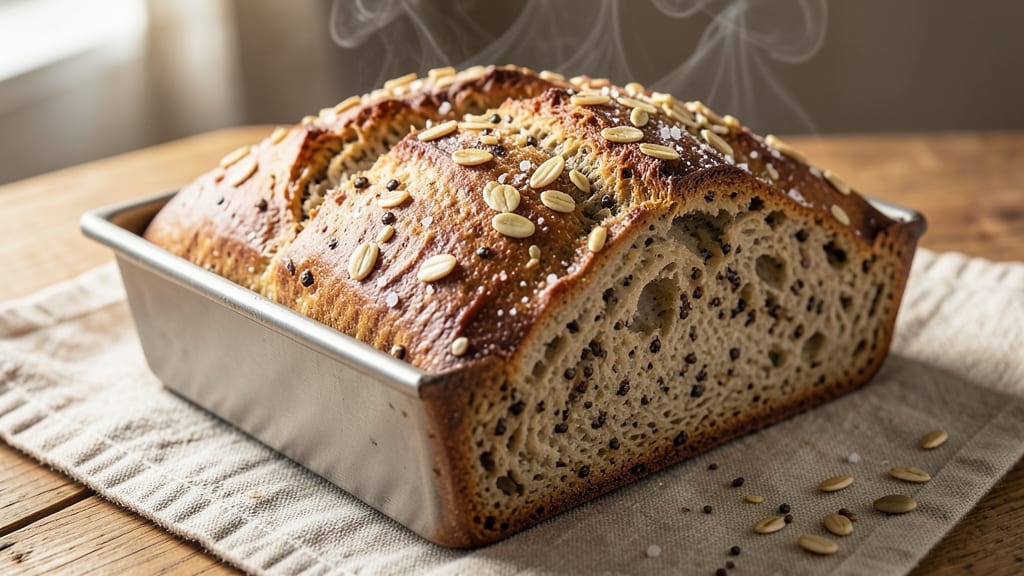
Your bread machine just got an upgrade with this 9-grain bread recipe—transforming simple ingredients into a nutrient-packed loaf with minimal effort. The secret lies in balancing whole grains, seeds, and hydration to create a crusty exterior and tender crumb, all while keeping the machine’s cycle simple.
I’ve perfected this recipe through years of testing, ensuring it’s foolproof for both beginners and experienced bakers alike.
What sets this bread apart is the nutrient density—each slice delivers fiber, protein, and essential minerals without sacrificing flavor or texture. The blend of grains and seeds not only enhances nutrition but also adds subtle crunch and depth to every bite.
With just a few adjustments to your bread machine’s settings, you’ll achieve a loaf that’s golden brown, aromatic, and packed with wholesome goodness—ready in one cycle.
This recipe is designed for effortless execution, whether you’re a busy parent or a baking enthusiast. The dough comes together in minutes, and the bread machine does the rest, leaving you with a homemade loaf that rivals artisanal bakery bread.
Perfect for toast, sandwiches, or serving with soups, it’s a versatile staple that elevates any meal.
For added customization, try incorporating herbs, flaxseed, or extra seeds to tailor the flavor and texture to your taste. Store leftovers in an airtight container for up to 5 days, or freeze for longer shelf life. Let’s get started on your most nutritious loaf yet—no kneading required.
Ingredients for 9 grain bread recipe for bread machine
Nine whole grains and seeds transform your bread machine into a nutrition powerhouse.
| Ingredient | Amount | Notes |
|---|---|---|
| All-Purpose Flour 🌾 | 3 cups | For structure and texture |
| Whole Wheat Flour 🌾 | 1 ½ cups | For added fiber and heartiness |
| Rye Flour 🌾 | ½ cup | Earthy depth and nutrition |
| Spelt Flour 🌾 | ½ cup | Ancient grain for chewy texture |
| Oat Flakes 🌾 | ½ cup | Fine steel-cut for crumb texture |
| Buckwheat Flour 🌾 | ¼ cup | Nutty flavor and protein boost |
| Flaxseed Meal 🌾 | ¼ cup | For omega-3s and binding |
| Sunflower Seeds 🌾 | ¼ cup | Toasted for crunch and vitamin E |
| Pumpkin Seeds 🌾 | ¼ cup | Magnesium-rich for muscle health |
| Sesame Seeds 🌾 | ¼ cup | Toasted for nutty aroma |
| Chia Seeds 🌾 | ⅛ cup | Gel-forming for moisture |
| Active Dry Yeast 🍞 | ½ tsp | Freshly measured for fermentation |
| Granulated Sugar 🍚 | ¼ cup | Feeds yeast for rise |
| Salt 🧂 | 1 ½ tsp | Diamond Crystal preferred |
| Extra-Virgin Olive Oil 🫒 | ¼ cup | For dough elasticity |
| Warm Water 💧 | 1 ¼ cups | 110°F for yeast activation |
The grains and seeds are the heart of this recipe—Bob's Red Mill or King Arthur flours keep things consistent, but any organic brands work. Toast your seeds first (5 minutes at 350°F) for deeper flavor—Trader Joe's sells pre-toasted versions if you're short on time. Spelt flour can be tricky to find; Whole Foods bulk section usually has it. For the flaxseed meal, grind whole flaxseeds yourself if possible—the pre-ground stuff loses potency fast. The chia seeds? Soak them in warm water for 10 minutes before adding to the dough for better gel formation.
No buckwheat flour? Substitute with an extra 0.25 cup whole wheat—it won't be identical but works in a pinch. Running low on rye? Dark whole wheat flour at 1:1 ratio mimics the earthiness. The chia seeds are non-negotiable for texture, but if you absolutely must skip them, add an extra 0.125 cup flaxseed meal. For the yeast, Fresh is best—if your packet's past its expiration, toast it lightly in a dry pan to revive it. The warm water should be cozy to the touch (like bathwater), not scalding. Too hot and you'll kill the yeast; too cold and it won't activate properly.
This dough is sensitive—measure flours by weight if you can (1 cup = 4.5 oz), but cups work fine. Store your grain blend in an airtight container for up to 2 weeks to preserve freshness. The finished loaf keeps 3-4 days at room temperature wrapped in a towel, or 1 week in the fridge. For longer storage, slice and freeze portions—3 months works perfectly. Toast straight from frozen for crispy, fresh-tasting bread every time.
Why You'll Love This Recipe
- No-Fuss Mix-In: I swear by the bread machine for this one—the grains blend themselves while I’m scrolling through emails. Just toss in the oat flakes and flours, add water, and let the machine do the heavy lifting. No kneading, no mess, just click and wait.
- Earthy Crunch Magic: That rye and spelt combo? It’s like a warm hug for your sandwiches. The oat flakes add texture that’s not too chewy, not too crumbly—just right—while the whole wheat keeps it hearty without tasting like a health lecture.
- Weeknight Meal MVP: This bread is my go-to for toast, charcuterie boards, or even a quick open-faced sandwich. It holds up to everything—jam, butter, smoked salmon—without falling apart. (Yes, even on a Tuesday night when I’m too tired to think.)
- Budget-Friendly Staple: I make a double batch and freeze half—no waste, just convenience. The mix of flours stretches my grocery budget, and the oats add bulk without breaking the bank. Plus, it’s the kind of bread that makes leftovers disappear faster than my kids eat goldfish crackers.
Step-by-step instructions for 9 grain bread machine recipe
Your bread machine will handle most of the work, but these precise steps ensure a perfectly risen, nutritious loaf every time.
Combine Dry Ingredients in the Bread Pan
In your bread machine pan, add all the dry ingredients in this specific order: the 3 cups all-purpose flour, 1.5 cups whole wheat flour, 0.5 cup rye flour, 0.5 cup spelt flour, 0.5 cup oat flakes, 0.25 cup buckwheat flour, 0.25 cup flaxseed meal, 0.25 cup sunflower seeds, 0.25 cup pumpkin seeds, 0.25 cup sesame seeds, and 0.125 cup chia seeds. The order matters—adding the heavier flours first prevents dust clouds when you add the lighter seeds.
Next, sprinkle the 0.5 tsp active dry yeast and 1.5 tsp salt over the flour mixture. Give everything a quick stir with a wooden spoon to distribute the yeast evenly. This prevents clumping and ensures even fermentation throughout the dough. I like to press down gently with my fingers to break up any large seed clusters—this creates a smoother texture in the final loaf.
Add Wet Ingredients and Mix
In a separate bowl, combine the 0.25 cup extra-virgin olive oil and 1.25 cups warm water (about 110°F). The water should feel pleasantly warm to your wrist—not hot enough to kill the yeast, but warm enough to activate it. Pour this liquid mixture into the bread pan with the dry ingredients.
Select the "Dough" setting on your bread machine and close the lid. The machine will automatically mix everything for about 3-5 minutes until a shaggy dough forms. Here's the thing—don't be tempted to peek or stop the machine early. The initial mixing creates the gluten structure that gives this dense, nutritious bread its satisfying chew. You'll know it's ready when the dough pulls away from the sides of the pan and forms a smooth, elastic ball.
Let the Dough Rise in the Machine
Once the mixing cycle completes, the machine will automatically switch to the rising phase. This typically takes 1-2 hours, but your machine might vary. During this time, the yeast activates, producing carbon dioxide that makes the dough expand. You'll see the dough roughly double in size and develop a few small bubbles on the surface.
Here's where the magic happens: the combination of whole grains and seeds creates a denser dough that rises more slowly than standard white bread. Don't worry if it doesn't rise as dramatically as commercial bread—this is normal. The dough should feel light and springy when you gently press it with your finger. If it springs back slowly, it's ready for the next step. If it springs back immediately, it needs a few more minutes.
Select the Basic Bread Setting and Bake
After the dough has properly risen, select the "Basic Bread" setting on your bread machine. Choose the largest size option your machine offers—this dense bread needs plenty of room to expand. The baking cycle will typically take 3-4 hours, with the machine automatically kneading, rising, and baking the dough.
During baking, you'll notice the bread machine go through several phases: an initial kneading, another rise, and finally the baking cycle where it reaches 375°F. The loaf will develop a beautiful golden-brown crust with a slightly crisp exterior. The interior should have a dense, moist crumb with visible pockets of air from the fermentation. When you tap the bottom of the loaf, it should sound hollow—this indicates it's fully baked and ready.
Cool and Slice for Maximum Freshness
Remove the bread from the pan and place it on a wire rack to cool completely for at least 30 minutes. This cooling period is crucial—it allows the steam inside the loaf to escape, preventing a gummy texture. I know it's tempting to slice immediately, but trust me on this step. The bread will firm up nicely and develop better flavor as it cools.
Once cooled, slice the bread with a serrated knife for clean cuts. Each slice should reveal a beautiful mix of textures: the dense whole grains, the crisp seeds, and the soft crumb in between. Store any leftovers in an airtight container for up to 5 days, or freeze slices for up to 3 months. This bread makes fantastic toast, perfect for sandwiches, or simply enjoyed with butter and jam.
Pro Tips For Making 9 Grain Bread Recipe For Bread Machine
- GRIND OATS FINE: I learned this the hard way—whole oat flakes sink to the bottom of the bread machine pan and burn. Pulse them in a food processor until they’re the size of coarse sand. This keeps the texture even and prevents a gummy bottom layer.
- HYDRATE RYE FIRST: Rye flour absorbs water like a sponge. Mix it with the yeast and warm water before adding the dry ingredients. This stops the dough from turning into a stiff, unworkable brick mid-knead.
- WEIGH FLOUR ACCURATELY: Spooning flour into measuring cups packs it too tightly, throwing off ratios. Use a kitchen scale for whole wheat and rye—these dense flours add up fast. Even a 10-gram difference changes the crumb.
- KNEAD LESS, REST MORE: The bread machine does the work, but 9 grains need extra time to relax. After the initial knead, let the dough rise twice as long as the recipe suggests. The gluten in spelt and whole wheat tightens up fast.
Perfect pairings for 9 grain bread recipe for bread machine
Butter Spreads
This dense, nutritious bread pairs beautifully with rich cultured butter—try Plugrá or Kerrygold for their creamy, slightly tangy profiles that complement the grainy texture. For a gourmet touch, mix softened butter with honey and a pinch of sea salt (like Maldon flakes) for a sweet-salty contrast.
I love spreading a thin layer on warm slices before toasting for extra flavor infusion. 🧈
Toppings & Spreads
Experiment with hummus (like Sabra Classic or Roasted Red Pepper) for a protein-packed twist, or avocado mash with lime juice and chili flakes for a creamy, zesty bite. For something lighter, try ricotta cheese mixed with herbs de Provence and a drizzle of olive oil.
The bread’s hearty texture holds up perfectly to these spreads without falling apart. 🥑
Sweet Pairings
Drizzle warm bread with local honey (like Wildflower or Orange Blossom) and sprinkle with crushed pistachios for a crunchy-sweet combo. For a decadent treat, layer with mascarpone cheese, fresh berries, and a sprinkle of cinnamon.
The seeds in the bread add a satisfying texture contrast to the soft spreads. 🍯
Savory Toppings
Create a Mediterranean platter with sliced sun-dried tomatoes, feta cheese, and kalamata olives for a salty, briny contrast. For a smoky flavor, spread with garlic-herb goat cheese and top with roasted red peppers. The bread’s density makes it ideal for holding these toppings without becoming soggy. 🧀
Beverage Matchups
Pair this bread with chilled sparkling water (like LaCroix or San Pellegrino) to cleanse the palate between bites. For a cozy pairing, serve with black tea (Earl Grey or English Breakfast) and a dollop of clotted cream.
Coffee lovers should try a flat white—the creamy foam balances the bread’s hearty texture beautifully. ☕
Meal Pairings
Use this bread for gourmet sandwiches with prosciutto, mozzarella, and arugula for a Mediterranean-inspired meal. It’s also perfect with lentil soup or minestrone—the dense crumb soaks up broth beautifully. For breakfast, toast slices and top with scrambled eggs, avocado, and everything bagel seasoning. 🥪
Nutrition facts
Frequently asked questions
Why does my 9-grain bread turn out dense instead of light?
The whole grains and seeds in this recipe naturally create a denser crumb compared to white bread. The key is proper hydration—use 1.25 cups warm water (not more) and let the dough rise fully in the machine. If it still feels dense, try reducing seeds by 0.125 cup next time for a slightly lighter texture.
Can I make this bread gluten-free?
This recipe isn't naturally gluten-free, but you can adapt it! Replace all flours with a 1:1 gluten-free flour blend (like Bob's Red Mill) and add 1 tsp xanthan gum to improve texture. Use only 0.25 cup total seeds (chia and flaxseed work best) and reduce water by 0.125 cup—gluten-free dough is stickier.
How do I store leftover 9-grain bread?
Wrap cooled bread in a clean kitchen towel and place in an airtight container for 3-4 days at room temperature. For longer storage, slice and freeze portions for up to 3 months. Toast frozen slices directly for crispy, fresh-tasting bread every time—no thawing needed!
What if my bread machine doesn't have a "Dough" setting?
Use the Basic Bread setting instead, but set your machine to manual mode and stop it after 3 minutes of mixing. Let the dough rise in the pan for 1-2 hours before selecting the Bake function. Most machines will still produce great results this way—just monitor the dough closely.
Can I add herbs or spices to this recipe?
Try 1 tsp dried rosemary or thyme with the dry ingredients for herbal notes, or ½ tsp garlic powder for savory flavor. For sweet variations, add 1 tsp cinnamon and 0.25 cup raisins. Just reduce another seed type by 0.125 cup to maintain balance.