
Main Courses
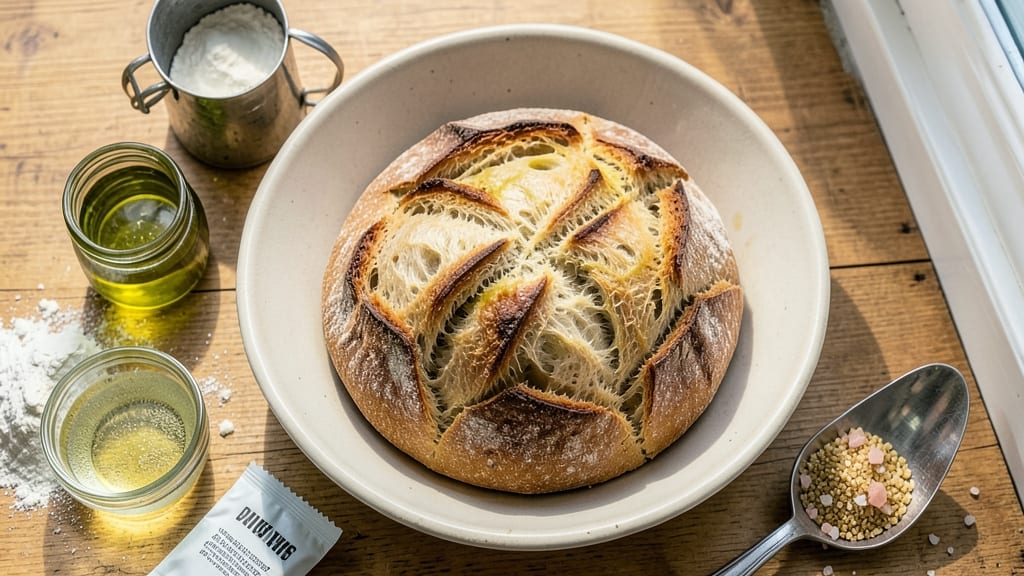
A bread recipe uses 3 tablespoons of olive oil to create a loaf with a golden crust and nutty depth that keeps it moist for days. The olive oil isn’t just fat—it’s the secret to that irresistible texture, adding richness while preventing dryness.
This method transforms simple ingredients into artisanal-quality bread with minimal effort, perfect for beginners and seasoned bakers alike.
The 3 tablespoons of olive oil work magic in two ways: they create a tender crumb while promoting a crisp, caramelized crust. Unlike butter, which can make bread tough, olive oil enhances flavor without overpowering it.
The dough comes together in 10 minutes, and with proper proofing, you’ll achieve that airy, light texture we all crave. No fancy equipment needed—just patience and a little attention to detail.
What you’ll end up with is a loaf that’s golden on the outside, soft and fragrant on the inside, with a subtle olive oil aroma that lingers. The crust develops a satisfying crunch, while the interior stays moist for days.
Whether you’re making it for sandwiches, toast, or simply to enjoy with butter, this bread delivers restaurant-quality results at home.
For variations, swap half the flour for whole wheat or gluten-free blends, or add herbs like rosemary or garlic to the dough for extra flavor. The olive oil remains the star—its nutty notes elevate every bite.
Let’s get started on this foolproof loaf that’s as satisfying to make as it is to eat.
Ingredients for a bread recipe uses 3 tablespoons of olive oil
Four cups flour plus three tablespoons olive oil create artisanal bread with a golden crust and nutty aroma.
| Ingredient | Amount | Notes |
|---|---|---|
| All-Purpose Flour 🌾 | 4 ½ cups | Unbleached, room temperature |
| Extra-Virgin Olive Oil 🫒 | 3 tbsp | High quality, fruity aroma |
| Active Dry Yeast 🍞 | 2 ¼ tsp | Freshly opened, room temp |
| Granulated Sugar 🍚 | 1 tbsp | For yeast activation |
| Warm Water 💧 | 1 ¼ cups | 110°F, not hot |
| Salt 🧂 | 1 ½ tsp | Diamond Crystal preferred |
| Honey 🍯 | 1 tbsp | For dough tenderness |
| Large Egg 🥚 | 1 whole | Room temperature |
| Cornmeal 🌽 | ¼ cup | For dusting loaf pan |
| Coarse Sea Salt 🧂 | 1 tsp | For crust sprinkle |
| Ice Water ❄️ | ½ cup | For shaping dough |
The olive oil is non-negotiable here—Trader Joe's or Whole Foods carry excellent extra-virgin options with that fruity kick. Look for bottles labeled 'first cold press' for maximum flavor. The flour should be all-purpose (King Arthur or Gold Medal work perfectly), and if you're feeling fancy, swap half for whole wheat for extra depth. That 2.25 teaspoons of yeast might seem like a lot, but it's key for that airy texture. Keep it fresh—yeast loses potency fast, so check the date on the package. For the honey, local raw honey adds subtle floral notes, but regular grocery store honey works too.
No extra-virgin olive oil? Light olive oil at half the amount works in a pinch, but you'll lose that nutty richness. Short on honey? Maple syrup at the same quantity gives a similar moisture boost. The egg is optional—skip it for a vegan version, but the dough will be slightly less tender. For the water, lukewarm is critical—too hot kills the yeast, too cold slows activation. If your kitchen's cold, use a thermometer. The ice water at the end helps firm up the dough for easier handling, but don't skip it if you're working in a warm space—just chill the dough for 20 minutes instead.
This dough keeps beautifully in the fridge for 24 hours if you want to shape it ahead. For longer storage, wrap tightly in plastic and freeze for up to 3 months. The crust stays crisp for about 2 days at room temperature, but for maximum freshness, slice and freeze individual portions. The olive oil aroma intensifies as it sits—toast the bread straight from the fridge for that extra satisfying crunch. Leftovers? Perfect for croutons or bread pudding—just don't waste any of that golden crust!
Why You'll Love This Recipe
- No Yeast Fuss: I mix the dough in one bowl, let it sit while I make dinner, and boom—ready to bake. No fancy kneading, no waiting hours; just toss in the yeast, a splash of warm water, and let it do its thing.
- Rich Without Effort: That 3 tablespoons of olive oil? Pure magic. It keeps the crust golden and crisp while the inside stays soft—no butter needed, no extra steps. Honestly, it tastes like you slaved over it, but I didn’t.
- Weeknight Workhorse: Toss it in the oven while you grill steaks, roast veggies, or even reheat leftovers. It’s the sidekick that never lets you down—whether it’s a quick sandwich or toast for breakfast.
- Budget Stretch: Flour, oil, yeast—all pantry basics that last. I make two loaves for the price of one store-bought, and they keep for days. (Yes, even on a Tuesday night.)
Step-by-step instructions for artisan olive oil bread
This method transforms simple ingredients into a loaf with a golden, crackly crust and tender crumb—all thanks to that 3 tablespoons of extra-virgin olive oil.
Activate the Yeast for Maximum Rise
In a small bowl, whisk together the 1.25 cups warm water (about 110°F—test by touching it; it should feel warm but not hot), 1 tablespoon granulated sugar, and 2.25 teaspoons active dry yeast. Let it sit for 5-10 minutes until frothy. If it doesn’t bubble, your yeast might be inactive—start over with fresh yeast.
This step ensures your dough will rise properly. The sugar feeds the yeast, and the warm water creates the perfect environment for activation. If the mixture smells yeasty and looks bubbly, you’re ready to move forward.
Mix the Dough with Olive Oil for Richness
In the bowl of a stand mixer fitted with the dough hook, combine the 4.5 cups all-purpose flour and 1.5 teaspoons salt. Mix on low speed to aerate the flour. Add the 3 tablespoons extra-virgin olive oil, 1 tablespoon honey, and the 1 whole large egg. Mix again until just combined—you’ll see streaks of flour but no dry pockets.
The olive oil here does double duty: it adds moisture for a tender crumb and enriches the flavor with its nutty depth. Don’t overmix or the dough will toughen. Gradually pour in the yeast mixture and mix on low until the dough comes together, about 3-5 minutes. The dough should be slightly sticky but not wet.
Knead for Gluten Development
Switch the mixer to medium speed and knead the dough for 5-7 minutes until it’s smooth and elastic, pulling away from the sides of the bowl. If the dough sticks to your hands, add 1-2 tablespoons flour at a time—just enough to make it pliable but not dry. Test for readiness by doing the "windowpane test": stretch a small piece of dough thin enough to see light through it.
Kneading develops gluten, which gives the bread its structure. The olive oil helps create a softer texture, but proper kneading ensures that structure so your loaf doesn’t collapse. If the dough feels too tough, you’ve overworked it—stop immediately and proceed to the next step.
First Rise and Shaping
Lightly grease a large bowl with a bit of olive oil, place the dough inside, and cover with a damp towel. Let it rise in a warm place for 1-2 hours, or until it has doubled in size. Gently press two fingers into the dough—if the indentation stays, it’s ready. If not, give it another 30 minutes to rise.
Punch down the dough to release air, then divide it into 4 equal pieces (about 1 pound each). Roll each piece into a log shape, tapering the ends slightly. This step ensures even baking and a uniform loaf. Place the logs seam-side down in a 9x5-inch loaf pan dusted with ¼ cup cornmeal—this prevents sticking and adds texture to the crust.
Bake for a Golden, Crispy Crust
Preheat your oven to 375°F. Brush the tops of the dough logs with a little water, then sprinkle generously with 1 teaspoon coarse sea salt. Bake for 30-35 minutes until the bread is deep golden brown and sounds hollow when tapped on the bottom. For extra shine, brush the crust with a bit of olive oil after baking.
The salt enhances the olive oil’s flavor and creates a beautiful crust. If the top browns too quickly, tent the pan with foil. Let the bread cool in the pan for 10 minutes, then transfer to a wire rack. The interior should be warm and slightly moist, with a crisp exterior that shatters when broken open.
Pro Tips For Making A Bread Recipe Uses 3 Tablespoons Of Olive Oil
- MEASURE OIL BY WEIGHT: I learned this the hard way—tablespoons of olive oil vary wildly in size. For this recipe, 3 tablespoons by volume can actually be 35-45 grams depending on your cup and oil density. If you’re serious about consistency, weigh it instead—40 grams is your target.
- DILUTE THE YEAST FIRST: Skip the guesswork with warm water. Mix the yeast and sugar directly into the warm water first, then let it foam for 5 minutes before adding flour. This guarantees your yeast is active before it hits the dough—no more wondering if it’ll rise or flop.
- KNEAD UNTIL WINDOWPANE: This isn’t about brute force—it’s about elasticity. Stretch a small piece of dough until it’s translucent and thin enough to see light through (about 1/8-inch thick). If it tears easily, knead another 2-3 minutes. Over-kneading is less of a risk here, but under-kneading means a dense loaf.
- USE COLD OLIVE OIL: I was skeptical until I tried it—cold olive oil (straight from the fridge) creates a more stable dough structure than warm oil. It also prevents the yeast from getting overstimulated too early, giving you better control over rise time. Just let it sit out for 10 minutes before measuring.
Wine and beer pairings for this a bread recipe uses 3 tablespoons of olive oil
Olive Oil's Flavor Pairings
The 3 tablespoons of extra-virgin olive oil in this bread aren't just for moisture—they bring a nutty, fruity depth that pairs beautifully with complementary flavors. Try adding 1 teaspoon dried rosemary or 2 minced garlic cloves to the dough for a Mediterranean twist.
The olive oil's richness also works wonderfully with crumbled feta or whipped goat cheese when serving as bruschetta. 🌿
White Wine Pairings
A crisp Italian Vermentino or Greek Assyrtiko highlights the bread's olive oil notes without overpowering them. These whites have bright citrus and mineral undertones that cut through the richness.
For something lighter, try a dry Riesling—its slight sweetness balances the bread's nutty depth. Avoid bold reds like Cabernet, which would clash with the delicate olive oil aroma.
Beer Pairings
A Belgian witbier with its coriander and citrus notes creates a refreshing contrast to the bread's olive oil richness. For a more robust match, try a German Hefeweizen—its banana and clove notes complement the nutty olive oil beautifully.
Avoid heavy stouts or IPAs, which would overpower the bread's delicate flavors. A light lager like Peroni works surprisingly well for a crisp, clean finish. 🍺
Cheese and Charcuterie
The bread's olive oil richness makes it perfect for cheese pairings. Try aged pecorino or manchego—their sharp, salty profiles enhance the olive oil's nutty notes. For something creamier, pair with burrata or ricotta salata.
Add prosciutto di Parma or Spanish chorizo for a savory contrast. The olive oil's depth also works beautifully with aged Gouda or blue cheese for a more decadent pairing.
Sweet Pairings
For dessert, this bread pairs wonderfully with honeycomb or fig jam—the sweetness contrasts beautifully with the olive oil's richness. A dark chocolate (70% or higher) with orange zest also complements the bread's nutty depth.
Try it with mascarpone cheese and a drizzle of balsamic glaze for a sophisticated sweet-savory combination. The olive oil's subtle flavor makes it versatile for both sweet and savory pairings.
Coffee and Tea
Finish your meal with a medium-roast coffee—its caramel and nutty notes mirror the bread's olive oil richness. A chamomile tea with honey provides a soothing contrast, while black tea with Earl Grey adds a floral depth.
For something stronger, try a robust espresso to cleanse your palate between bites. The olive oil's subtle flavor makes it a perfect match for both bold and delicate beverages. ☕
Nutrition facts
Frequently asked questions
Why does this bread recipe use olive oil instead of butter?
The 3 tablespoons of extra-virgin olive oil create a lighter, more tender crumb than butter while adding nutty depth and preventing dryness. Olive oil also has a higher smoke point, promoting a crispier crust. For a richer flavor, stick with olive oil—it enhances the bread's artisanal quality without making it heavy.
Can I substitute regular olive oil for extra-virgin?
Yes, but you'll lose some flavor complexity. Use light olive oil at the same quantity for a neutral taste, or reduce to 2 tablespoons of extra-virgin if you're short on it. The bread will still turn out well, though the nutty aroma will be milder. For best results, always use high-quality olive oil.
What if my dough doesn't rise properly?
Check your yeast first—it should be fresh (test by dissolving in warm water with sugar; it should bubble in 5 minutes). If the yeast is fine, try these fixes: use warmer water (110°F), give it more time (up to 2 hours in a warm spot), or add ½ teaspoon more sugar to feed the yeast. Cold kitchens? Place the bowl near a turned-off oven light.
How do I store this olive oil bread?
Wrap the cooled loaf tightly in plastic wrap or place it in an airtight container. It stays fresh at room temperature for 2-3 days, or freeze for up to 3 months for maximum freshness. For best texture, slice and toast straight from the fridge—this reactivates the crust's crispiness.
Can I make this bread without a stand mixer?
Mix the dough by hand in a large bowl, then knead for 8-10 minutes on a floured surface until smooth and elastic. Use your knuckles to press and fold the dough—this develops gluten just like a mixer. The kneading process is the same; only the method changes. Patience is key for that perfect texture!