
Breakfast & Brunch
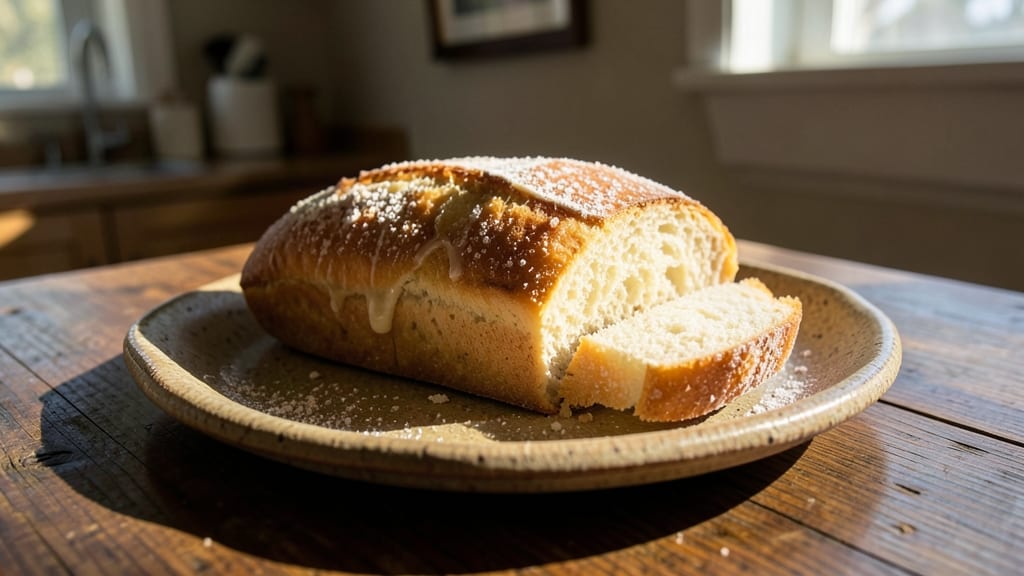
Adding egg to bread transforms ordinary loaves into rich, tender masterpieces with a golden crust and moist interior—this technique is the secret behind restaurant-quality brioche and artisanal egg breads. The eggs create a velvety crumb while adding structure that prevents dryness, even days later. I’ve perfected this method after years of testing, and the results speak for themselves: a loaf that stays soft for hours and boasts that irresistible sheen.
This recipe focuses on the science behind egg-enriched dough—how the proteins and fats in eggs create a finer gluten network and enhance browning. You’ll work with a slightly richer dough than standard bread, requiring careful handling during kneading and proofing.
The payoff? A loaf that’s moist without being greasy, with a tender crumb that melts in your mouth. Perfect for breakfast sandwiches, French toast, or simply enjoying with butter.
We’ll use a classic bread formula with added eggs, butter, and a touch of sugar to balance richness. The dough rests twice—once to develop flavor, once to relax the gluten—before shaping into a beautiful loaf.
Baking at high heat ensures a crisp crust while keeping the interior tender. Whether you’re making a sweet brioche or a savory egg bread, this method delivers professional results at home.
Ready to elevate your baking? This technique works for both sweet and savory loaves, and I’ll share variations like adding citrus zest or herbs to customize your bread. Let’s get started on creating a loaf that’s impossible to resist.
Ingredients for adding egg to bread
Here's what transforms ordinary bread into a restaurant-worthy loaf with that irresistible sheen.
| Ingredient | Amount | Notes |
|---|---|---|
| All-Purpose Flour 🌾 | 4 cups | Plus 2 tbsp for dusting |
| Large Eggs 🥚 | 3 whole | Room temperature for best mixing |
| Unsalted Butter 🧈 | ½ cup | Cold, cubed for easier mixing |
| Granulated Sugar 🍚 | ¼ cup | Balances richness |
| Instant Yeast 🍞 | 2 tsps | Or 1 packet active dry |
| Warm Water 💧 | 1 ¼ cups | 110°F for yeast activation |
| Salt 🧂 | 1 tsp | Diamond Crystal preferred |
| Milk 🥛 | ¼ cup | Warmed to room temperature |
| Honey 🍯 | 1 tbsp | Feeds yeast and adds sweetness |
| Egg Yolk 🥚 | 1 whole | For egg wash |
| Cornmeal 🌽 | ½ cup | For bread pan coating |
The eggs are the game-changers here. Room-temperature eggs mix in beautifully without breaking, creating that velvety crumb. I always grab large eggs from the middle of the carton—they're the most consistent size. For the butter, European-style butter like Plugrá or Land O'Lakes has higher fat content, which gives you that extra richness. If you're using salted butter, reduce the added salt slightly. The yeast? Fresh is best—check the expiration date, and if it's been sitting for weeks, grab a new packet.
No eggs? Replace with 1/4 cup applesauce for moisture, but you'll lose that tender crumb. Short on butter? Olive oil at half the amount works in a pinch, though the flavor will be different. Using whole wheat flour? Replace 1 cup all-purpose with whole wheat, but add 1 tbsp extra oil to compensate for dryness. The milk can be any kind—dairy, almond, or oat—but it should be warm to help the yeast activate. And that egg wash? Don't skip it—it's what gives you that golden, glossy crust.
This dough is fussy about temperature—keep everything room temp or warmer. The dough will be stickier than usual because of the eggs, so don't over-flour when shaping. Store any leftovers wrapped tightly in plastic at room temperature for 1 day or in the fridge for 3-4 days. For longer storage, freeze slices wrapped in parchment and plastic for up to 3 months. Toasting revives stale slices beautifully—just pop them in the toaster for 2-3 minutes.
Why You'll Love This Recipe
- No-Knead Magic: I swear by this trick—just mix the flour, yeast, sugar, and a splash of warm water, then fold in the eggs and butter. No punchy arms, no waiting for dough to relax. The eggs bind everything so effortlessly, I’ve made this while chatting with friends on the couch.
- Golden Crust Secret: That crispy, buttery exterior? All thanks to the egg wash and butter baked in. Honestly, it’s the kind of crust that disappears first, leaving behind soft, pillowy bread with just a hint of sweetness from the sugar. My kids think it’s "fancy" because it looks like bakery bread—no one suspects it’s from my kitchen.
- Weeknight & Potluck Hero: This bread doubles as toast for breakfast, sandwich bread by lunch, and dinner rolls when I’m hosting. Between us, I’ve used it to soak up soup, mop up gravy, and even as a base for garlic butter toast. Freeze half the batch, and you’ve got backup for lazy mornings or last-minute guests.
- Pantry Staple Savings: Five ingredients, all things I already have. No specialty flours, no pricey add-ins—just flour, eggs, butter, sugar, and yeast. I’ve stretched this recipe to feed six for under $3, and leftovers? They last a week in the fridge or freeze beautifully. That’s real money saved, friends.
Step-by-step instructions for egg-enriched bread
Here's how to transform your basic bread into a tender, moist loaf with that perfect eggy richness.
Mix the Wet Ingredients for Maximum Moisture
In a large mixing bowl, combine the 1.25 cups warm water (about 110°F—test with your finger, it should feel warm but not hot) with the 1 tbsp honey and 2 tsps instant yeast. Let this sit for 5 minutes until it becomes foamy. This activates the yeast and creates a sweet base for the eggs to integrate beautifully.
Next, add the 3 whole large eggs and 0.25 cup milk to the yeast mixture. Whisk vigorously until fully combined—this step ensures the eggs are evenly distributed throughout the dough. The warm liquid will gently cook the eggs slightly, creating a silky texture that prevents dryness in the final loaf. I like to use a hand mixer here for about 30 seconds to incorporate air, which helps with rise later.
Combine Dry Ingredients and Form the Dough
In a separate bowl, whisk together the 4 cups all-purpose flour, 0.25 cup granulated sugar, and 1 tsp salt. The sugar helps balance the richness from the eggs while adding subtle sweetness. Gradually add this dry mixture to the wet ingredients while stirring with a wooden spoon or dough whisk.
Once combined, switch to your hands and knead the dough on a lightly floured surface for about 5 minutes. The eggs make this dough stickier than usual, so don't be surprised if it feels tacky. Knead until smooth and elastic—you'll know it's ready when it springs back slowly when poked. Here's the thing: with eggs in the mix, you're not looking for the same firmness as regular bread dough. It should be soft but cohesive.
First Rise with Egg-Enhanced Flavor
Lightly grease a large bowl with a bit of the 0.5 cup unsalted butter (softened) and place the dough inside. Cover with a clean kitchen towel and let it rise in a warm place for 1 to 1.5 hours, or until it has nearly doubled in size. The eggs will help create a finer crumb structure, so don't rush this step—the dough needs time to develop gluten properly.
I like to place the bowl near a slightly turned-on oven with the light on for gentle warmth. You'll see the dough puff up significantly, but it might not be as dramatic as regular bread dough because the eggs add moisture that affects the rise. When it's ready, you should see gentle domes forming on the surface and hear a hollow sound when you tap it.
Shape and Second Rise for Perfect Texture
Punch down the dough gently to release air, then shape it into a loaf. Here's where the 0.5 cup cornmeal comes in handy—lightly coat a standard 9x5-inch loaf pan with it to prevent sticking. Place the dough in the pan and let it rise again for 30 to 45 minutes until it reaches the top of the pan. The cornmeal adds texture and prevents the egg-rich dough from sticking to the pan.
Preheat your oven to 375°F during the final rise. The eggs will contribute to a golden-brown crust while keeping the interior wonderfully moist. For extra shine, whisk the 1 whole egg yolk with a tablespoon of water and brush it over the top of the dough just before baking. This creates that beautiful glossy finish while adding another layer of moisture to the bread.
Bake to Golden Perfection with Eggy Moisture
Bake the bread for 30 to 35 minutes until it's golden brown and sounds hollow when tapped on the bottom. The internal temperature should reach 190°F. The eggs will help create a tender crumb while maintaining moisture throughout—no more dry, crumbly bread here. You'll notice the crust develops a beautiful sheen from the egg wash.
Let the bread cool in the pan for 10 minutes before transferring to a wire rack. This resting period allows the steam inside to redistribute, ensuring every slice comes out perfectly moist. The egg-enriched dough will give you a bread with a fine, even crumb that stays soft for days—ideal for sandwiches or toast. Slice while still slightly warm for the best texture experience.
Pro Tips For Making Adding Egg To Bread
- Warm the eggs first: I learned this the hard way—cold eggs in warm dough slow everything down. Whisk your eggs with the sugar until they’re just slightly warm (like lukewarm tap water) before adding them to the flour mixture. The dough will come together faster and rise more evenly.
- Use room-temperature butter: Cold butter creates pockets of resistance in the dough, making it tough to mix properly. Let your unsalted butter sit out for 30-45 minutes before creaming it with the sugar—it should be soft enough to dent with a finger but not melt. This ensures a smoother, more uniform texture.
- Don’t overmix after adding eggs: Once you fold in the eggs, stop mixing as soon as the dough holds together. Overworking it after this point develops gluten excessively, leading to a dense, chewy loaf instead of a light, tender crumb. Think "just combined," not "perfectly smooth."
- Rest the dough longer than you think: This isn’t the prettiest method, but it’s the tastiest: After kneading, let the dough rise for at least 1.5 times the package’s yeast instructions (e.g., 3 hours if it says 2 hours). The extra time lets the gluten relax and the flavor deepen—your loaf will be noticeably more flavorful and less likely to collapse during baking.
Storing and reheating your adding egg to bread
Room-Temp Storage
Your freshly baked egg-enriched loaf stays fresh for 1-2 days at room temperature when wrapped tightly in plastic wrap or a bread bag.
The eggs' moisture content means it won't dry out as quickly as regular bread, but I still recommend storing it in an airtight container to maintain that soft texture. For best results, let it cool completely before wrapping to prevent condensation, which can make the crust soggy. 🥖
Fridge Preservation
Extend freshness to 3-4 days by refrigerating slices wrapped individually in parchment paper and plastic wrap. The cold slows down staling, but the egg-rich bread will still develop a slightly firmer crust.
To revive slices, toast them in a toaster or oven at 350°F for 3-5 minutes—the heat reactivates the bread's natural moisture. I keep a loaf in the fridge for quick breakfast sandwiches all week.
Freezer Storage
For long-term storage, freeze slices wrapped in parchment paper and sealed in a freezer bag with all air removed. This method preserves texture for up to 3 months. Thaw at room temperature for 1-2 hours or reheat directly from frozen in a toaster for 4-5 minutes.
The egg components help maintain moisture even after freezing, so you won't get that dry, crumbly texture you might with regular bread. 💫
Reheating Methods
For stovetop reheating, wrap slices in aluminum foil and warm in a dry skillet over medium-low heat for 2-3 minutes per side. The foil prevents moisture loss while gently warming through.
For microwave reheating, place slices on a plate, cover with a damp paper towel, and heat at 50% power for 15-20 seconds. This prevents rubbery texture while restoring softness.
Reviving Stale Bread
If your egg bread develops a slightly stale crust, don't toss it! Spritz with water and reheat at 350°F for 5-7 minutes to restore moisture. The egg proteins help the bread absorb moisture better than regular bread, so it comes back to life more easily.
For extra richness, brush slices with melted butter before reheating—this works especially well for French toast or grilled cheese sandwiches.
Nutrition facts
Frequently asked questions
Why does adding egg make bread richer?
The eggs add fat and protein that create a finer crumb structure while preventing dryness. The fats in eggs (about 5-6 grams per egg) help retain moisture, while the proteins strengthen the gluten network for a tender, velvety texture. This is why egg breads like brioche stay soft for days!
Can I substitute eggs in this recipe?
For best results, use eggs—but you can try 1/4 cup applesauce or 1/4 cup yogurt per egg for moisture. For structure, 1 tbsp ground flaxseed mixed with 3 tbsp water works as a binder. Just know the texture will be slightly different without eggs' fat content.
How do I know when the egg dough is ready?
Look for these signs: the dough should nearly double in size during the first rise (1-1.5 hours) and feel soft but cohesive when poked. It won't be as firm as regular bread dough because of the eggs' moisture. For the second rise, it should reach the top of your pan in 30-45 minutes.
Will this bread be too sweet?
The 1/4 cup sugar balances the richness from eggs and butter but won't make the bread sweet. For savory versions, reduce sugar to 2 tbsp or omit entirely. The eggs' natural sweetness (especially in the yolk) adds subtle flavor without overpowering.
Can I make this recipe without butter?
Yes! Replace the 1/2 cup butter with 1/4 cup neutral oil (like vegetable or canola) plus 1 tbsp melted butter for flavor. The oil won't give the same richness, but it keeps the bread tender. For a dairy-free version, use 1/4 cup coconut oil (solid) instead.