
Side Dishes
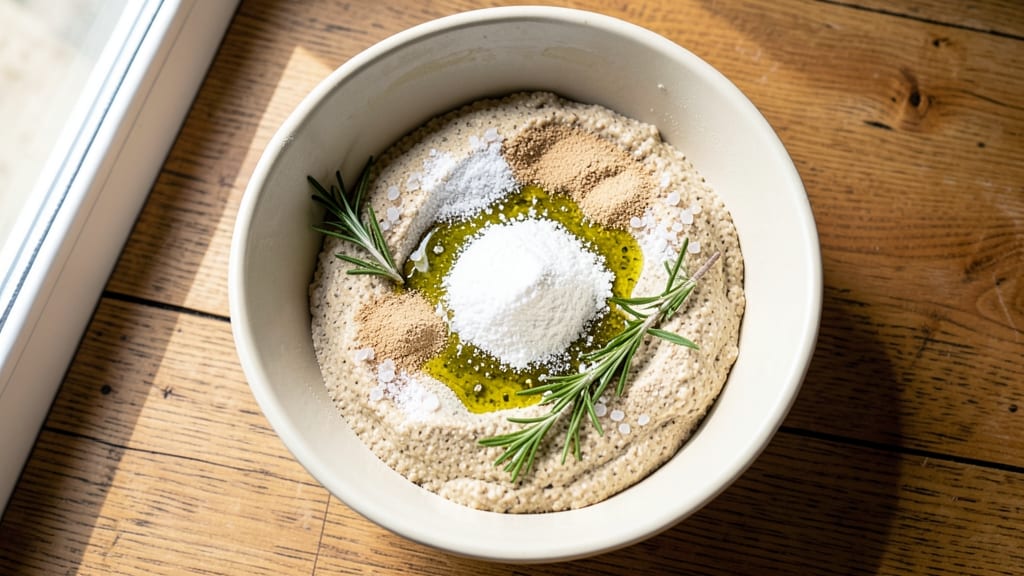
Adding spelt flour to a bread recipe transforms ordinary bread into something extraordinary—nutty, aromatic, and impossibly tender. This ancient grain brings depth to every slice while maintaining a light, airy texture that surprises even experienced bakers. The key lies in adjusting hydration and kneading techniques to account for spelt’s higher protein content, ensuring a dough that’s both workable and flavorful.
Unlike traditional wheat flour, spelt requires slightly more water—about 70% hydration—and benefits from longer fermentation to develop its signature nutty complexity. Whether you’re baking a rustic loaf or a soft sandwich bread, these adjustments create a crumb that’s open yet dense, with a subtle sweetness that lingers.
The result? Bread so good, it feels like a revelation.
What sets this recipe apart is its versatility. Start with a simple white spelt flour base, then customize with seeds, whole grains, or herbs for added texture and nutrition. The dough’s natural elasticity makes it forgiving for beginners, while its rich flavor profile satisfies even the most discerning palates.
Perfect for everyday loaves or special occasions, this bread proves spelt isn’t just an alternative—it’s an upgrade.
Ready to elevate your baking? The process is straightforward, but the payoff—warm, fragrant bread with a nutty depth—is unmatched. Let’s get started on a loaf that will change how you think about flour.
Ingredients for adding spelt flour to bread
Ancient grain meets modern baking—just these ingredients transform ordinary dough into nutty, aromatic bread.
| Ingredient | Amount | Notes |
|---|---|---|
| White Spelt Flour 🌾 | 4 cups | Freshly milled for best flavor |
| Bread Flour 🍞 | 1 cup | For improved elasticity |
| Instant Yeast 🍞 | ½ tsp | Active dry works too |
| Granulated Sugar 🍯 | 1 tbsp | Or honey for subtle sweetness |
| Salt 🧂 | 1 ½ tsp | Diamond Crystal preferred |
| Extra-Virgin Olive Oil 🫒 | ½ cup | High quality for richness |
| Warm Water 💧 | 1 ¾ cups | 105°F for activation |
| Honey 🍯 | 1 tbsp | For fermentation boost |
| Sunflower Seeds 🌻 | ¼ cup | Optional for crunch |
| Flaxseeds 🌾 | ¼ cup | Ground for nutrition |
| Sesame Seeds 🌿 | 1 tbsp | For topping texture |
| Coarse Sea Salt 🧂 | 1 tbsp | For final sprinkle |
Spelt flour is the star here, and King Arthur or Bob's Red Mill are my go-tos for quality. The white spelt gives that signature nutty flavor without the heaviness of whole grain, but if you want extra depth, swap half for whole spelt flour. Bob's Red Mill also sells pre-milled spelt, which saves time and ensures consistent texture. For the bread flour, look for high-protein varieties—King Arthur or Cappello are reliable. The key is balancing spelt’s higher protein content with bread flour’s elasticity, so don’t skip that 1 cup. And yes, you can find spelt flour at most grocery stores now, but specialty bakeries or online retailers like Amazon or Thrive Market have better selections if you're experimenting with different types.
No spelt flour? Substitute with white whole wheat flour at a 1:1 ratio, though the flavor won’t be identical—it’ll still be delicious, just less nutty. Running low on bread flour? All-purpose flour works in a pinch, but your dough might need an extra 15 minutes of kneading. The honey can be swapped for maple syrup or even more granulated sugar if you're avoiding it, though honey adds a subtle fermentation boost. For the seeds, pumpkin or chia seeds are great alternatives, and if you’re feeling adventurous, toast them in a dry pan for 2-3 minutes to deepen their flavor. The olive oil matters here—skip the light varieties and grab something fruity and robust, like California Extra Virgin or Colavita. And if you’re baking in a dry climate, you might need an extra splash of water—spelt absorbs moisture differently than wheat.
This dough is a beast when it comes to storage. Wrap it tightly in plastic wrap and let it ferment in the fridge for up to 24 hours—the longer it rests, the more complex the flavor. Once baked, your loaf will stay fresh for 3-4 days at room temperature, wrapped in a clean kitchen towel. For longer storage, slice and freeze individual portions—they’ll reheat beautifully in a toaster or oven. I like to make two small loaves at once and freeze one for later. The seeds on top? Toast them fresh before baking for maximum crunch, or sprinkle them on after baking if you’re short on time. And if you’re feeling fancy, brush the warm loaf with melted butter—trust me, it’s worth the extra minute.
Why You'll Love This Recipe
- No-Fuss Mix-In: I keep a big bag of spelt flour in my pantry just for this—no sifting, no fancy ratios. Toss the spelt with bread flour, yeast, and a pinch of sugar, then let the dough do all the work. Honestly, the kneading takes less time than arguing with my kids about screen time.
- Nutty Crust Perfection: That spelt flour? It’s like a secret flavor bomb. The bread develops this subtle, toasty sweetness that’s almost like brioche but way easier. Between us, I’ve been told it tastes "fancy" even though I make it in my one good mixing bowl.
- Leftover Goldmine: This dough keeps for days in the fridge, and the bread freezes like a dream. Toast it straight from frozen for breakfast or pull out a loaf for sandwiches when you’re too tired to bake. I’ve fed a houseful of guests with just two batches—no one ever notices it’s not homemade.
- Budget-Friendly Staple: Spelt flour might sound fancy, but it’s cheaper than buying artisanal loaves. A little goes a long way, and the bread flour keeps it sturdy. I make this when I’m pinching pennies, and no one complains—because it’s that good. (Yes, even on a Tuesday night.)
Step-by-step instructions for spelt flour bread with nutty depth
Here's how to transform your bread with spelt flour's unique nutty flavor and light texture.
Combine Dry Ingredients for Optimal Texture
In a large mixing bowl, whisk together the 4 cups white spelt flour and 1 cup bread flour. The spelt flour brings that distinctive nutty depth while the bread flour adds the necessary elasticity for a light crumb. Sift in the 0.5 teaspoon instant yeast and 1.5 teaspoons salt, then whisk again to distribute evenly. This blending ensures the yeast activates properly throughout the dough.
Next, create a well in the center and add the 1 tablespoon granulated sugar and 1 tablespoon honey. These sweeteners not only enhance flavor but also provide food for the yeast to ferment more vigorously. The sugar dissolves quickly, while the honey adds subtle sweetness and moisture retention during baking.
Mix Wet Ingredients and Form the Dough
In a separate bowl, combine the 0.5 cup extra-virgin olive oil with the 1.75 cups warm water (around 105°F). The olive oil contributes richness and helps create a tender crumb, while the warm water activates the yeast immediately. Pour this mixture into the dry ingredients and stir with a wooden spoon until a shaggy dough forms.
Transfer the dough to a clean surface and knead for about 8-10 minutes until smooth and elastic. The spelt flour requires slightly more kneading than all-purpose flour to develop gluten properly. You'll know it's ready when the dough springs back slowly when pressed. If it feels too sticky, add 1 tablespoon of flour at a time until it becomes manageable.
First Rise and Seed Preparation
Lightly oil a large bowl, place the dough inside, and cover with a damp towel. Let it rise in a warm place for 1-2 hours or until it has doubled in size. The spelt flour's higher protein content means the dough may take slightly longer to rise than traditional white flour doughs. Poke the dough gently—if it leaves a slow, small indentation, it's ready.
While the dough rises, prepare the seeds. In a small bowl, combine the 0.25 cup sunflower seeds, 0.25 cup ground flaxseeds, and 1 tablespoon sesame seeds. These seeds add texture and nutrition, and their toasty flavors complement the spelt flour beautifully. Set aside until ready to use.
Shape, Second Rise, and Final Touches
Punch down the risen dough to release air, then shape it into a loaf or your preferred form. For a classic boules, divide the dough into two equal parts, shape each into a round, and place them seam-side up on a parchment-lined baking sheet. Cover again and let rise for another 30-45 minutes until puffy.
Preheat your oven to 375°F. Just before baking, sprinkle the tops of the loaves with 1 tablespoon coarse sea salt and press the seed mixture lightly into the surface. The salt enhances all the flavors, while the seeds add crunch and visual appeal. Bake for 30-35 minutes until the bread is golden brown and sounds hollow when tapped on the bottom.
Cool and Enjoy the Perfect Crust
Remove the bread from the oven and transfer to a wire rack to cool completely. This step is crucial—cooling prevents the bread from becoming gummy inside. The spelt flour's unique composition means the bread will have a slightly denser crumb than all-white flour bread but with a beautiful open texture and that signature nutty flavor.
Slice while still slightly warm for the best texture. The crust should be crisp and golden, while the interior remains soft and airy. Serve with butter, jam, or enjoy it plain to appreciate the spelt flour's natural sweetness and depth. This bread keeps well for 3-4 days at room temperature or can be frozen for up to 3 months.
Pro Tips For Making Adding Spelt Flour To Bread
- Mix Flours First: Spelt flour is heavier than bread flour, so weigh them separately before combining—don’t eyeball it. I learned this the hard way when a batch turned out dense because I undermeasured by volume.
- Use Lukewarm Water: Spelt dough needs water around 90°F (32°C) to activate the yeast properly. Cold water kills it; hot water shocks it. Test with your finger—should feel like a warm bath, not a sauna.
- Skip Over-Kneading: Spelt dough is stickier and weaker than bread flour dough. Knead just until the gluten forms (about 5-7 minutes by hand)—overworking makes it tough. The moment it pulls away cleanly, stop.
- Add 1 Extra Teaspoon Salt: Spelt’s mild flavor needs a little more salt to stand out. If your recipe calls for 2%, bump it to 2.25%—trust me, the difference is noticeable, especially in sandwich bread.
Essential equipment for this dish
Kitchen Scale
Spelt flour is heavier than all-purpose flour, so a digital kitchen scale is your best friend for accuracy. I swear by the OXO Good Grips—it’s precise to the gram and easy to read.
For this recipe, weigh your 4 cups white spelt flour (about 440g) and 1 cup bread flour (about 125g) to ensure consistent results every time. A scale eliminates guesswork, especially when adjusting hydration levels. 💡
Stand Mixer
A stand mixer with a dough hook attachment saves time and effort, especially with spelt’s higher protein content. My KitchenAid Artisan Series handles the dough beautifully, mixing and kneading without overheating.
If you don’t have one, a hand mixer works for mixing, but you’ll need to knead by hand for those 8-10 minutes. For small batches, even a wooden spoon and strong arms can work—just be prepared for a workout! ⚡
Dough Scraper
A dough scraper is a game-changer for spelt flour dough, which can stick like glue. I use a stainless steel Benriner—it’s flexible, durable, and cleans up easily.
This tool helps transfer dough to your mixing bowl, shape it without tearing, and scrape every last bit of sticky dough off surfaces. Trust me, your hands will thank you after kneading spelt. 💪
Proofing Basket
For a professional finish, a proofing basket (like a banneton) gives your dough structure and a beautiful pattern. If you don’t own one, a well-floured bowl lined with a clean kitchen towel works just as well.
Spelt dough benefits from a longer rise (up to 24 hours in the fridge), so a basket helps maintain shape during extended proofing. Dust it lightly with rice flour to prevent sticking—it’s gentler than all-purpose flour. ✨
Digital Thermometer
Controlling your water temperature is critical for spelt flour dough. A digital instant-read thermometer (like the Thermoworks Thermapen) ensures your 1.75 cups warm water is exactly 105°F—too hot, and you’ll kill the yeast; too cold, and fermentation slows.
I also use it to check oven temperature for even baking. Precision here makes all the difference with spelt’s delicate balance of moisture and structure. 🌡️
Nutrition facts
Frequently asked questions
Why does spelt flour require more water than regular flour?
Spelt flour has a higher protein content and absorbs moisture differently than wheat flour. The 70% hydration ratio (about 1.75 cups water for 4 cups flour) ensures proper gluten development while preventing a dry, crumbly texture. Think of it like giving the dough extra time to hydrate and relax during kneading.
Can I substitute spelt flour 1:1 in any bread recipe?
Not ideally! Spelt's higher protein and different gluten structure means you'll need to adjust hydration and kneading time. For best results, replace 50% of white flour with spelt first, then gradually increase. The recipe above uses 80% spelt for flavor while maintaining structure with 20% bread flour.
How do I fix dough that's too sticky when using spelt?
Spelt dough often sticks more than wheat dough. Add flour 1 tablespoon at a time until workable, but don't overdo it—too much flour makes the bread dense. A dough scraper helps too! If the dough tears during shaping, wet your hands slightly and gently pull the dough toward you rather than pushing.
Does spelt bread taste different from regular bread?
Spelt adds a subtle nutty, slightly sweet flavor that's more complex than plain wheat bread. The texture is slightly denser but still light and airy when properly hydrated. Think of it as a cross between whole wheat's heartiness and white bread's softness—with extra depth!
Can I make this bread without seeds?
The seeds are optional but add texture and nutrition. For a simpler version, just skip them and focus on the nutty spelt flavor. If you want extra flavor without seeds, try adding 1 teaspoon cinnamon to the dough or topping with coarse salt and herbs instead.