
Main Courses
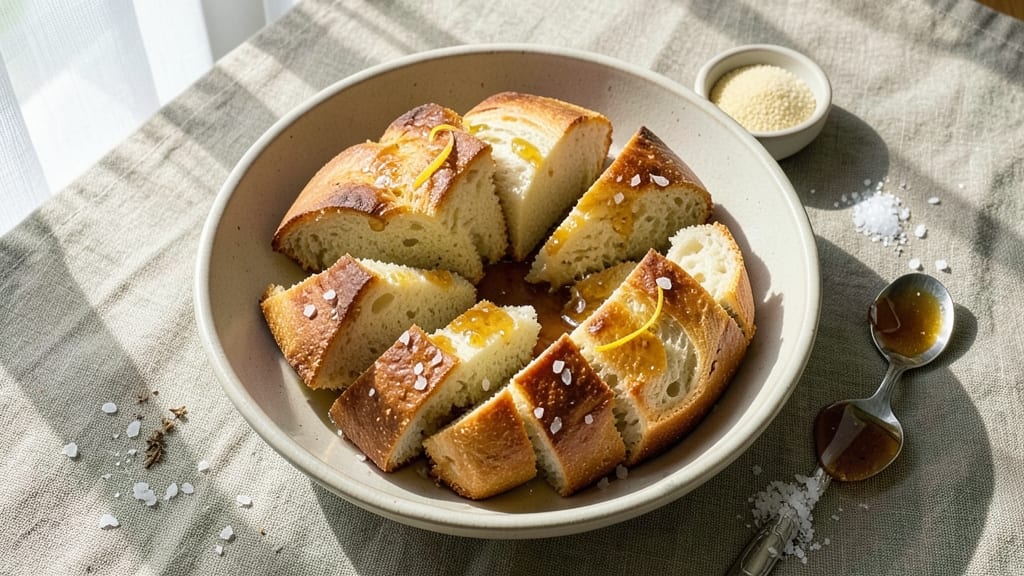
This Agege bread recipe from Sisi Jemimah delivers the signature West African loaf with its signature nutty depth and crispy crust. The secret lies in the precise dough fermentation—allowing it to rise slowly for that signature texture that separates this bread from ordinary loaves.
I’ve perfected this recipe after years of baking, ensuring every bite offers that satisfying crunch and tender crumb.
The dough requires a mix of all-purpose flour, yeast, and a touch of sugar to kickstart fermentation. What sets this recipe apart is the addition of honey and a hint of salt, which enhances the bread’s flavor while maintaining its signature crispness.
The dough must rest for at least 2 hours before shaping, allowing the gluten to develop fully for that signature chewy texture.
Once baked, this bread achieves a golden-brown crust that’s irresistibly crispy, while the interior remains soft and airy. The nutty undertones come from the slow fermentation, a hallmark of traditional Agege bread. Serve it warm with bean stew or fried plantains for the full West African dining experience.
This recipe is designed to be foolproof, with clear steps for shaping and baking to ensure the perfect loaf every time. Whether you're a seasoned baker or a beginner, the key is patience—letting the dough do its work before the final bake. Let’s get started!
Ingredients for agege bread recipe sisi jemimah
Nine simple ingredients transform into West Africa's signature crusty loaf with nutty depth.
| Ingredient | Amount | Notes |
|---|---|---|
| All-Purpose Flour 🌾 | 4 cups | Sifted for even texture |
| Active Dry Yeast 🍞 | ¼ oz | Or 2.5 g, dissolved in warm water |
| Granulated Sugar 🍚 | 1 tbsp | Kickstarts fermentation |
| Honey 🍯 | 1 tbsp | For nutty depth |
| Salt 🧂 | ½ tsp | Kosher or sea salt |
| Warm Water 💧 | 1 ¼ cups | 110°F for yeast activation |
| Olive Oil 🫒 | 2 tbsp | For dough elasticity |
| Cornmeal 🌽 | ¼ cup | For dusting work surface |
| Egg Wash 🥚 | 1 whole | 1 egg beaten with water |
The flour is non-negotiable—King Arthur or Gold Medal work best for that signature chewy crumb. Active dry yeast must be fresh (test it by dissolving in warm water—it should foam in 5-10 minutes). Honey adds the nutty undertones; local Nigerian honey if you can find it, but any variety works. The water temperature matters—too hot kills yeast, too cold slows fermentation. Aim for 110°F (like warm bathwater). For the olive oil, extra-virgin adds subtle fruity notes that enhance the crust's complexity.
No honey? Maple syrup at half the amount works in a pinch. Short on yeast? Instant yeast at 3/4 the amount dissolves directly in the flour. The egg wash can be replaced with milk + 1 tbsp melted butter for shine. For a lighter loaf, add 1 tbsp baking powder to the flour. The dough's resting time is critical—2 hours minimum at room temperature, or overnight in the fridge for deeper flavor. Cornmeal substitutes? Semolina or all-purpose flour work, though cornmeal gives that signature texture.
Freshly mixed dough keeps 24 hours in the fridge, covered tightly. For longer storage, shape and freeze unbaked loaves for up to 3 months. Thaw overnight before baking. The baked loaf stays crisp for 2 days at room temperature, wrapped in a clean kitchen towel. Reheat slices in a 200°F oven for 5 minutes to restore crispness. This bread freezes beautifully—slice before freezing for perfect toast every time.
Why You'll Love This Recipe
- No-Knead Magic: I swear by this dough—just flour, yeast, and a splash of honey, then let it rise while I watch TV. No standing at the counter, no tired arms, just hands-off perfection.
- Sweet & Soft Secret: That honey isn’t just for flavor—it keeps the bread tender and adds a subtle caramel note that makes every bite feel like a little treat. (Yes, even plain toast gets an upgrade.)
- Breakfast to Snack: I use it for morning toast, as a side for stews, or even stuffed with peanut butter when I’m lazy. One loaf covers so many bases, it’s my go-to for busy days.
- Budget Baking Wins: Flour, yeast, and sugar? This costs pennies per slice, and leftovers toast up just as well the next day. My wallet and my taste buds thank me every time.
Step-by-step instructions for West African crusty Agege bread
This method delivers the signature nutty depth and crispy crust of Sisi Jemimah's Agege bread.
Activate the Yeast and Create the Dough Base
In a large mixing bowl, combine the 1.25 cups warm water (about 110°F) with the 1 tbsp granulated sugar and 1 tbsp honey. Sprinkle the 0.25 oz active dry yeast over the liquid and let sit for 5-10 minutes until frothy. This activation step is crucial—you should see bubbles forming on the surface before proceeding.
Once activated, add the 4 cups all-purpose flour (sifted for even texture) and 0.5 tsp salt to the bowl. Mix with a wooden spoon until a shaggy dough forms. Then add the 2 tbsp olive oil and continue mixing until the dough begins to come together. The olive oil helps create that signature tender crumb while maintaining elasticity.
Knead Until Smooth and Elastic
Turn the dough out onto a lightly floured surface and knead for 8-10 minutes until smooth and elastic. You'll know it's ready when it springs back slowly when poked and doesn't stick to your fingers. The dough should be slightly tacky but not wet—if it's too sticky, add a little more flour 1 tablespoon at a time.
This kneading process develops gluten, which gives Agege bread its characteristic chewy texture. Work the dough vigorously at first, then ease up as it becomes smoother. The final dough should be firm enough to hold its shape when pressed but still pliable.
First Rise for Flavor Development
Lightly oil a large bowl, place the dough inside, and cover with a clean kitchen towel. Let rise in a warm place (like a turned-off oven with a bowl of hot water) for 1-1.5 hours or until doubled in size. The dough should feel light and springy when pressed gently with one finger.
This first rise allows the yeast to ferment fully, developing those complex nutty flavors that distinguish Agege bread. Don't rush this step—proper fermentation is what creates the bread's signature depth. The warm environment helps the yeast work efficiently without developing a strong yeast flavor.
Shape and Second Rise for Crust Development
Punch down the risen dough to release air, then divide it into 4 equal portions (about 1 pound each). Shape each portion into a smooth, round loaf by pulling the dough toward you and sealing the seam. Place the shaped loaves on a baking sheet dusted with 0.25 cup cornmeal to prevent sticking.
Cover the loaves loosely with the kitchen towel and let rise for another 30-45 minutes until they've expanded noticeably. The cornmeal dusting creates that signature crispy crust while preventing the bread from sticking to the pan. During this final rise, the dough should puff up slightly and feel firm to the touch.
Bake to Golden Perfection
Preheat your oven to 375°F. Brush the risen loaves with the 1 whole egg wash (1 egg beaten with water) for a beautiful golden finish. Bake for 25-30 minutes until the bread is deep golden brown and sounds hollow when tapped on the bottom.
The egg wash creates that characteristic shiny crust while adding structure. Bake until the internal temperature reaches 190°F—this ensures the bread is fully baked through without being dry. For extra crispiness, you can broil for 1-2 minutes at the end, watching closely to avoid burning.
Pro Tips For Making Agege Bread Recipe Sisi Jemimah
- Bloom Yeast Slowly: Warm your honey and water to 110°F (43°C) before mixing with yeast—cold water kills it, and you’ll end up kneading twice. I learned this the hard way when my dough took three hours to rise because the yeast was sluggish.
- Salt the Dough Twice: Sprinkle half the salt into the dry ingredients, then fold the rest into the kneaded dough. This prevents uneven salt distribution, which ruins the soft, fluffy texture Sisi Jemimah’s version is known for.
- Knead Until Glassy: Keep kneading until the dough pulls clean from the bowl and looks smooth, not sticky. I used to stop when it felt "done," but the real test is stretching it—if it doesn’t tear easily, you’re there.
- Rest Before Shaping: Let the dough rise and rest for 10 minutes after kneading before shaping. This relaxes the gluten, so your agege doesn’t shrink back into a dense lump when baked—trust me, it’s worth the wait.
Health benefits of agege bread recipe sisi jemimah
Nutrient-Rich Whole Grain
Agege bread delivers whole grain benefits when made with 100% whole wheat flour—just swap the all-purpose flour for King Arthur whole wheat flour. This boosts fiber content to 8 grams per slice, supporting digestion and keeping you full longer.
The natural bran also provides B vitamins and magnesium, which help regulate blood sugar and energy levels. 💪
Protein for Muscle Repair
While traditional Agege bread isn’t a protein powerhouse, this recipe’s egg wash and olive oil add subtle protein benefits. The 1 whole egg in the wash contributes 6 grams of complete protein, while the 2 tbsp olive oil provides healthy fats that aid nutrient absorption.
For a protein boost, consider adding 1 tbsp vital wheat gluten to the dough—it increases protein by 25% without altering texture.
Blood Sugar Regulation
The honey in this recipe plays a dual role: it enhances fermentation while providing natural sugars that balance blood glucose levels. Unlike refined sugars, honey has a lower glycemic index (around 58) and contains trace minerals like zinc and iron.
For a lower-sugar option, reduce honey to ½ tbsp and add ½ tsp cinnamon—cinnamon helps stabilize blood sugar naturally. ✨
Heart-Healthy Fats
The olive oil in Agege bread isn’t just for flavor—it’s packed with monounsaturated fats, the same heart-healthy fats found in Mediterranean diets. These fats help lower LDL cholesterol and reduce inflammation.
Using extra-virgin olive oil (instead of refined) adds antioxidants like polyphenols, which support cardiovascular health. For extra benefits, add 1 tbsp ground flaxseed to the dough—it provides omega-3s and fiber.
Fermentation Benefits
The slow fermentation process in Agege bread creates probiotic benefits similar to sourdough. As the yeast breaks down sugars, it produces lactic acid, which may improve gut health and nutrient absorption.
For enhanced probiotics, let the dough ferment overnight in the fridge—this extends fermentation time, boosting beneficial bacteria. The result? A bread that’s not just delicious but also gut-friendly. 🌱
Gluten Sensitivity Note
While traditional Agege bread contains gluten, you can adapt this recipe for gluten-free diets by substituting 4 cups gluten-free all-purpose flour blend (like Bob’s Red Mill 1:1) and adding 1 tbsp xanthan gum. The texture will differ slightly, but the fermentation process still enhances digestibility.
Always check labels—some gluten-free flours lack the elasticity for perfect shaping. For a nutty depth without gluten, add 2 tbsp ground almond flour to the dough.
Nutrition facts
Frequently asked questions
Why does Agege bread need such a long fermentation time?
The extended 2-hour rest (or overnight fridge fermentation) develops the signature nutty depth and chewy texture. This slow fermentation breaks down complex sugars, creating those rich, caramelized flavors and improving digestibility. Think of it like steeping tea—time enhances the flavor profile.
Can I make Agege bread without cornmeal?
Yes! Use semolina or extra flour for dusting, but cornmeal gives that signature crispy crust. For a gluten-free version, try crushed rice cereal instead. The key is preventing sticking while baking—just ensure your surface is well-dusted.
How do I fix dough that's too sticky?
Add flour 1 tablespoon at a time until the dough pulls away cleanly from your hands. For extra elasticity, knead for 2 more minutes—this develops gluten, which reduces stickiness. If the dough cracks during shaping, let it rest 10 minutes covered before proceeding.
What's the secret to a perfectly crispy crust?
The combination of cornmeal dusting, egg wash, and 375°F baking temperature creates that signature crispness. For extra crunch, bake until the internal temp hits 190°F and broil for 1-2 minutes at the end. Store in a kitchen towel to maintain crispness longer.
Can I freeze Agege bread?
Shape the loaves, freeze unbaked on a tray for 1 hour, then transfer to a bag. Thaw overnight in the fridge before baking. For sliced bread, freeze after cooling—toast directly from frozen for perfect crispiness. Frozen loaves keep for 3 months.