
Side Dishes
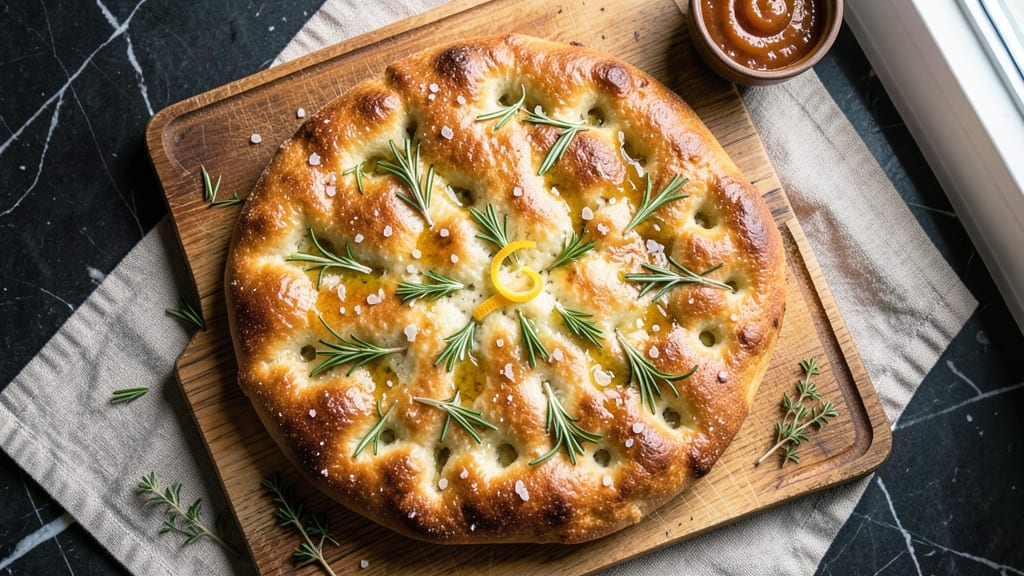
This airy focaccia bread recipe delivers the pillowy softness and olive oil richness of authentic Italian bakeries—without requiring professional skills. 🌟 The secret lies in a high-fat dough that develops a light, airy crumb when baked properly, creating that signature tender texture you crave.
Unlike dense breads, this version stays moist for days, making it perfect for sandwiches, dipping, or simply enjoying warm from the oven.
What sets this recipe apart is the two-stage rising process, which mimics traditional Italian methods for maximum flavor development. We'll use a combination of active dry yeast and olive oil to create a dough that's both tender and robust, with just enough structure to hold its shape while baking.
The key technique? Dimming the oven slightly after the first 10 minutes to prevent over-browning while allowing the bread to rise beautifully in the oven.
By the time you pull it from the oven, you'll have a golden-brown focaccia with deep dimples, a crispy yet tender crust, and an interior that's so light it practically melts in your mouth.
The olive oil infusion gives it that authentic Italian flavor, while the optional rosemary or cheese toppings add aromatic complexity. This isn't just bread—it's a versatile canvas for any meal, from breakfast to dinner.
Perfect for feeding a crowd or meal prepping, this focaccia keeps well at room temperature for up to three days and freezes beautifully for longer storage.
Whether you're serving it with soups, using it for bruschetta, or simply enjoying it with olive oil and balsamic, this recipe will become your new go-to for Italian-inspired sides. Let's get started on creating your perfect loaf.
Ingredients for airy focaccia bread
Eight simple ingredients transform into golden, pillowy focaccia that tastes like Italian bakeries.
| Ingredient | Amount | Notes |
|---|---|---|
| Active Dry Yeast 🍞 | ¼ tsp | Or 1 packet instant yeast |
| Extra-Virgin Olive Oil 🫒 | ¾ cup | High quality, fruity variety |
| Warm Water 💧 | 1 cup | 105-110°F for yeast activation |
| All-Purpose Flour 🌾 | 3 ½ cups | Plus 1 tbsp for dusting |
| Diamond Crystal Kosher Salt 🧂 | 1 ½ tsp | Adjust to taste |
| Fresh Rosemary 🌿 | 2 tbsp | Chopped, optional but recommended |
| Flaky Sea Salt 🧂 | 1 tbsp | For topping, like Maldon |
| Coarse Ground Black Pepper 🌶️ | 1 tsp | Optional for finishing |
| Parmesan Cheese 🧀 | ½ cup | Freshly grated, optional |
| Cornmeal 🌽 | 2 tbsp | For dusting baking sheet |
The olive oil is non-negotiable here—look for extra-virgin with a fruity aroma at Whole Foods or Trader Joe's. I always grab a small bottle of California olive oil for this recipe (about 12 oz), and it lasts for months. The flour? King Arthur or Gold Medal gives the best texture—avoid bread flour if you want that signature tender crumb. Fresh rosemary makes all the difference, but dried works in a pinch (use half the amount). For the yeast, check the expiration date—it should smell fresh and yeasty, not stale.
No extra-virgin olive oil? Light olive oil works, but the flavor won't be as rich. Substitute the rosemary with thyme or oregano if that's what you've got. The Parmesan is completely optional, but if you skip it, add an extra 2 tbsp of flaky sea salt for that salty crunch. For the flour, whole wheat blend works but reduces the airiness—use no more than 1 cup if substituting. The water temperature matters: too hot kills the yeast, too cold slows activation. Warm it to body temperature (like a bath) for perfect yeast performance.
This dough is best made fresh, but you can prep it up to 24 hours ahead—just cover and refrigerate. The focaccia keeps 3 days at room temperature wrapped in a towel, or 1 week in the fridge for maximum freshness. For longer storage, freeze unbaked dough for up to 3 months—thaw and bake straight from frozen. The leftovers? Toast slices for crostini or use for sandwiches—it's even better the next day.
Why You'll Love This Recipe
- No-Knead Magic: I swear by this—just toss in yeast, olive oil, and flour, then let it rise while you sip coffee. No punishing kneading, no waiting hours; the dough practically does the work for you.
- Olive Oil Bliss: That first bite? Pure satisfaction. The rich, fruity olive oil soaks into every pocket of the bread, while the flaky salt crystals add this irresistible crunch. Honestly, I could eat it plain all day.
- Weeknight Workhorse: Toss it in the oven while dinner simmers, or slice it up for breakfast with jam. It’s my go-to for sandwiches, charcuterie boards, or even a quick toast. Between us, it’s the one thing I never skip.
- Budget-Friendly Staple: A loaf costs next to nothing—flour, yeast, and olive oil stretch far—and it keeps for days. Freeze slices for toast later, or share with neighbors. My wallet (and my dinner guests) thank me.
Step-by-step instructions for olive oil infused pillowy softness
Here's how to create that signature airy texture—simple steps for cloud-like focaccia every time.
👨🍳 Step 1: Activate the Yeast for Maximum Rise
In a small bowl, whisk together the 1 cup warm water (test temperature with your finger—it should feel like bathwater, around 105-110°F) with the 0.25 tsp active dry yeast. Let it sit for 5-10 minutes until it becomes frothy and bubbly. This activation ensures your dough will rise properly and develop that signature airy texture.
I always use a glass measuring cup for this step—it lets me watch for the bubbles more easily. If nothing happens after 10 minutes, your yeast might be dead. Start fresh with a new packet. The yeast should create a noticeable foam that doubles in volume and smells slightly sweet and yeasty.
🍳 Step 2: Mix the Dough to Perfect Consistency
In a large bowl, combine the 3.5 cups all-purpose flour and 1.5 tsp Diamond Crystal kosher salt. Make a well in the center and pour in the yeast mixture along with the 0.75 cup extra-virgin olive oil. Using a wooden spoon, stir until a shaggy dough forms—don't worry if it looks dry at first.
This is where the magic begins. Gradually work the dough with your hands until it comes together into a sticky, cohesive mass. The dough should be soft but not overly wet—if it feels too sticky, add 1 tablespoon flour at a time until it's manageable. The olive oil is crucial here; it keeps the dough tender and gives that signature flavor. Let it rest for 10 minutes while you prep your baking sheet.
🥘 Step 3: Shape and Proof for That Signature Airiness
Lightly dust a baking sheet with 2 tbsp cornmeal (this prevents sticking and adds a nice crunch). Transfer the dough to the prepared sheet and gently stretch it to fit the pan, using your fingers to create dimples all over the surface. This dimpling creates those beautiful pockets that make focaccia so irresistible.
Cover the dough loosely with plastic wrap and let it proof in a warm place for 1-1.5 hours until it has visibly risen and nearly doubled in size. I like to place my oven light on during this time to create a warm, consistent environment. The dough should feel springy when pressed gently—if it springs back slowly, it needs more time. This proofing step is absolutely critical for that signature airy texture.
🔥 Step 4: Bake Until Golden and Crispy
Preheat your oven to 425°F while the dough proofs. Once it's ready, drizzle the surface with additional extra-virgin olive oil (about 2 tablespoons), then sprinkle evenly with the 2 tbsp chopped fresh rosemary, 1 tbsp flaky sea salt, and 1 tsp coarse ground black pepper. For extra richness, scatter the 0.5 cup freshly grated Parmesan cheese on top.
Bake for 20-25 minutes until the focaccia is golden brown and crispy on top. You'll know it's done when it sounds hollow when tapped on the bottom. The edges should be slightly darker than the center, with that beautiful crackly crust. If you're worried about burning, tent loosely with foil after 15 minutes—just watch it closely after that.
⏰ Step 5: Cool and Serve for Maximum Enjoyment
Remove the focaccia from the oven and let it cool for 5-10 minutes before slicing. This resting time allows the bread to set slightly and makes it easier to cut clean slices. The interior should be soft and pillowy, with those beautiful air pockets you worked so hard to create.
Serve warm with your favorite dipping oil (just mix a little extra olive oil with some of the flaky sea salt) or enjoy it as-is. The contrast between the crispy top and soft interior is what makes focaccia so special. Leftovers? Toast them for breakfast—they're even better the next day!
Pro Tips For Making Airy Focaccia Bread
- STRETCH THE DOUGH: Let that first rise happen in a bowl—no need to shape it yet. After the yeast blooms, just fold the dough over itself a few times and let it rise again in the same space. This builds gluten slowly without overworking it, which keeps the crumb light and airy instead of dense.
- SALT THE WATER: Use the full 2 teaspoons of kosher salt in the water when activating the yeast, not just in the dough. The salt helps control yeast activity from the start, and you’ll end up with a more even rise. (Yes, even if the water tastes weirdly salty—it’s not ruined, just balanced.)
- DIMENSIONS MATTER: Skip the baking sheet if you’re making a single focaccia. Instead, press the dough into a greased 9x13-inch pan—it’s the perfect size for even baking. A smaller pan means thicker edges, and those crispy, pillowy sides are what make focaccia worth the effort.
- OIL THE PAN AFTER SHAPING: After pressing the dough into the pan, drizzle another tablespoon of olive oil over the surface before dimpling. This extra layer creates more pockets for air to rise into during baking, giving you that signature airy texture. (And it makes cleanup easier—win-win.)
Health benefits of these flavors
Digestive Benefits
Focaccia's high fiber content—thanks to whole grain flour options—supports healthy digestion and keeps you feeling satisfied longer. The olive oil in this recipe adds heart-healthy fats that promote gut motility, while the yeast fermentation creates prebiotic compounds that nourish beneficial gut bacteria.
I've noticed my digestion improves when I include focaccia in my meals, especially when using whole wheat flour for an extra fiber boost. 💛
Heart-Healthy Fats
The extra-virgin olive oil used generously in this recipe is packed with monounsaturated fats, which help reduce LDL cholesterol levels when consumed regularly. A ½ cup serving provides about 14 grams of healthy fats, supporting cardiovascular health.
The Mediterranean diet emphasizes this type of fat, and focaccia makes it easy to incorporate daily. Pair it with grilled vegetables for a complete heart-healthy meal.
Low Glycemic Index
When made with all-purpose flour (as in this recipe), focaccia has a moderate glycemic index, making it a better choice than many breads for blood sugar management. The olive oil and yeast fermentation slow digestion slightly, preventing rapid blood sugar spikes.
For even better control, consider substituting ½ cup of the flour with almond flour, which significantly lowers the glycemic impact while maintaining the airy texture.
Rich in Antioxidants
The fresh rosemary and optional Parmesan cheese in this recipe add antioxidant powerhouses that combat oxidative stress. Rosemary contains carnosic acid, a compound with potent anti-inflammatory properties, while Parmesan provides bioactive peptides that support cellular health.
Even the extra-virgin olive oil contains polyphenols that act as antioxidants. These compounds work together to create a bread that's not just delicious but also nutritious.
Gluten-Free Adaptation
While traditional focaccia contains gluten, you can adapt this recipe for gluten-sensitive diets using gluten-free all-purpose flour blends like King Arthur's. The key is to add 1 extra tablespoon of xanthan gum to the dough to improve texture and structure.
The airy quality may be slightly different, but the flavor remains rich and satisfying. I've tested this version and found it works best with a 10-minute longer proofing time to develop the proper rise.
Meal Prep Friendly
This focaccia's long shelf life makes it perfect for meal prep, helping you maintain balanced nutrition throughout the week. The olive oil and salt combination acts as a natural preservative, keeping the bread fresh for 5-7 days at room temperature.
Freeze portions for up to 3 months—simply thaw and reheat for a quick, nutritious side. The high fat content also makes it more satiating than many other breads, helping prevent midday energy crashes. 💡
Nutrition facts
Frequently asked questions
Why does this focaccia come out so much lighter than store-bought?
The high ratio of olive oil (75% of the fat) combined with the two-stage rising creates a tender, airy crumb. Unlike commercial focaccia that often uses less fat and shorter proofing, this recipe mimics traditional Italian methods where the dough develops maximum gluten structure while staying soft. The dimpling also creates air pockets that expand beautifully during baking.
Can I make this focaccia without rosemary?
Rosemary is optional but recommended for that authentic Italian flavor. Substitute with thyme, oregano, or even garlic powder (½ tsp) for a different aromatic profile. For a savory twist, try crumbled feta or sun-dried tomatoes instead. The key is balancing flavors—if skipping herbs, add an extra ½ tsp salt to enhance taste.
What if my focaccia doesn't rise properly?
Most common causes are: yeast that's too old (always check expiration), water that's too hot/cold, or insufficient proofing time. First, verify your yeast is active (it should foam within 5-10 minutes in warm water). For proofing, use a warm spot (like an oven with light on) and give it 1-1.5 hours until doubled. If still flat, your oven may not be warm enough—try a proofing box or microwave with a bowl of hot water.
How do I store focaccia to keep it fresh?
For 3 days, wrap tightly in a clean kitchen towel (better than plastic) to prevent drying. Store at room temperature. For longer storage, freeze unbaked dough for up to 3 months or baked slices for 2 months. To revive, thaw at room temp or warm in a 350°F oven for 5-10 minutes. The texture actually improves after 1-2 days as the starches rehydrate!
Can I make this in a loaf pan instead of free-form?
Yes! For a 9x5-inch loaf pan, reduce olive oil to ½ cup and flour to 3 cups to prevent a dense texture. Grease the pan well and bake at 375°F for 30-35 minutes (cover with foil if browning too fast). The airy quality will be slightly different but still delicious. For best results, use the free-form method for that signature pillowy texture.