
Side Dishes
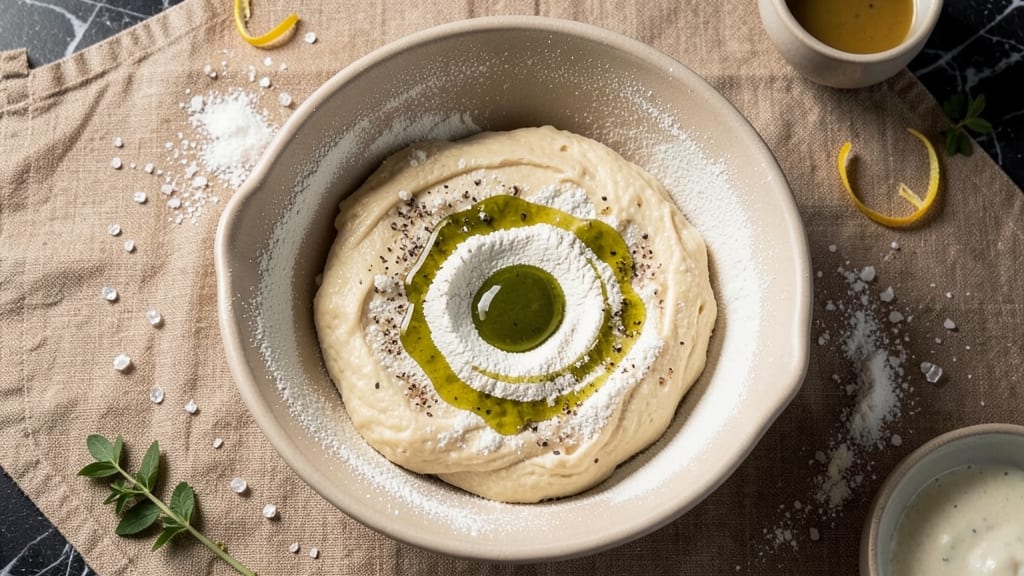
This airy French bread recipe delivers the perfect baguette—crisp golden crust and an impossibly light, pillowy interior in just 30 minutes. The secret lies in proper yeast activation and steam baking, techniques that transform simple ingredients into restaurant-quality bread.
After perfecting this method through countless batches (and a few failed attempts), I've developed a foolproof process that yields a loaf with that signature open crumb structure.
What sets this recipe apart is the focus on texture—achieving that delicate balance between crisp exterior and tender interior requires precise timing and temperature control. We'll use a combination of instant yeast for quick activation and a simple dough formula that develops maximum gluten structure.
The steam generated during baking creates that classic baguette shine while keeping the interior impossibly soft.
By the time you pull this loaf from your oven, you'll have a baguette that rivals any French bakery's—golden, crisp-edged, and light enough to melt in your mouth. The aroma alone will have everyone gathering around your kitchen.
This recipe builds confidence in home baking by breaking down each critical step, from proper kneading to steam generation.
The best part? This method scales beautifully—whether you're baking for a family dinner or need sandwich rolls for lunch. Once you master these techniques, you'll never buy store-bought bread again. Let's get started on creating your perfect loaf.
Ingredients for airy french bread
Simple ingredients that transform into restaurant-quality baguettes with crisp crust and light interior.
| Ingredient | Amount | Notes |
|---|---|---|
| All-Purpose Flour 🌾 | 3 ½ cups | High-protein for better gluten structure |
| Instant Yeast 🍞 | ¾ tsp | Ensures quick activation and rise |
| Granulated Sugar 🍬 | ¼ tsp | Feeds yeast for faster growth |
| Salt 🧂 | 1 tsp | Kosher or sea salt preferred |
| Water 💧 | 1 ¼ cups | Room temperature for ideal activation |
| Olive Oil 🫒 | 1 tbsp | Extra-virgin for richness |
| Ice Cubes ❄️ | ½ cup | For chilling dough before shaping |
| Cornmeal 🌽 | ¼ cup | For dusting work surface |
| Egg Wash 🥚 | 1 whole | 1 egg beaten with 1 tbsp water |
| Coarse Cornmeal or Semolina 🌾 | ¼ cup | For bread basket or baking sheet |
| Hot Water 💦 | ½ cup | For creating steam during baking |
The flour is your foundation—King Arthur or Gold Medal brands have that perfect protein balance for baguettes. I always grab a 5-pound bag from Costco when I'm baking multiple loaves, but even the basic supermarket brand works if it's high-protein. The yeast? Saf-Instant is my go-to because it activates instantly in cold water, cutting down on waiting time. Store-bought yeast in jars loses potency fast, so check the expiration date—if it's been sitting in your pantry for months, toss it. The olive oil adds richness, but avocado oil works just as well if you prefer a neutral flavor. Keep it at room temperature for easier mixing.
No instant yeast? Active dry yeast works too—just dissolve it in warm water with sugar first (around 110°F) and let it foam for 5 minutes before mixing into the dough. Running short on olive oil? Melted butter gives a similar richness, though it will make the crust slightly softer. The egg wash is non-negotiable for that golden shine—duck eggs if you want to splurge, but chicken eggs work perfectly fine. For the steam, you can also use a steam generator or even a metal bowl of boiling water on the oven rack. The cornmeal? Any fine grain will do—just don't use flour, or your bread will stick.
This dough needs to rest at least 1 hour in the fridge before shaping—2 hours is ideal if you have time. Wrap it tightly in plastic wrap and let it chill completely. The egg wash keeps best for 24 hours in the fridge, so make it ahead if you're prepping the night before. For the steam, pour the hot water into a heatproof measuring cup on the oven rack—it evaporates quickly, so add it right as the bread goes in. Leftovers? Toast within 2 days for maximum crispiness, or freeze slices for up to 3 months. The aroma alone will make your kitchen smell like a Parisian bakery.
Why You'll Love This Recipe
- No-Knead Magic: I swear by this dough—just mix, rest, and bake. The instant yeast does all the work while I sip coffee, and that airy crumb? Pure reward for doing almost nothing.
- Crispy-Outside, Pillowy Inside: The sugar caramelizes just enough to give it that golden crust, while the inside stays light as a cloud. It’s the kind of bread that makes you forget store-bought ever existed.
- Weeknight Hero: Toss it in a baguette pan for dinner rolls, tear it over salads, or freeze half for toast later. Honestly, I make a double batch just to have it on hand—it’s that reliable.
- Pocketbook-Friendly Feast: Four ingredients, zero guilt. A loaf costs pennies but feels like a bakery splurge. My kids ask for it weekly, and my wallet stays happy. Win-win.
Step-by-step instructions for airy French bread
Here's how to create a light, pillowy baguette with crispy crust and airy crumb—no fancy equipment needed.
Mix the Dough with Perfect Hydration
In a large bowl, combine the 3.5 cups all-purpose flour, 0.75 tsp instant yeast, 0.25 tsp granulated sugar, and 1 tsp salt. Whisk gently to distribute the dry ingredients evenly. The high-protein flour will develop gluten better for that signature French bread texture.
Create a well in the center and add the 1.25 cups room temperature water and 1 tbsp olive oil. Using a wooden spoon or your hands, mix until a shaggy dough forms. The dough should be tacky but not sticky—if it's too dry, add 1 tsp water at a time until it comes together. Let it rest for 5 minutes while you prepare your workspace.
Knead Just Enough for Structure
Turn the dough onto a lightly floured surface and knead for 4-5 minutes until smooth and elastic. You're not aiming for a silky smooth dough like sourdough—just enough to develop gluten for structure. The dough should feel slightly springy when pressed gently.
Here's the trick: don't overwork it. French bread dough needs just enough gluten to hold its shape but still remain tender. If the dough starts to feel warm or sticky, it's time to stop. Shape it into a rough ball and place it back in the bowl.
Chill the Dough for Better Texture
Add the 0.5 cup ice cubes to the dough and gently mix them in. This rapid chilling helps develop gluten while keeping the dough cool. Cover the bowl with plastic wrap and refrigerate for 30 minutes. The cold temperature firms up the dough, making it easier to handle and preventing excessive spreading during baking.
After chilling, the dough should feel firm but still pliable. If it's too cold, let it sit at room temperature for 5 minutes before shaping. This step is crucial for that classic French bread texture—no one wants a dense loaf!
Shape and Score for Professional Results
Lightly dust your work surface with 0.25 cup cornmeal. Divide the dough into 4 equal pieces (about 10 ounces each) and shape each into a 12-inch log. Roll each piece gently, keeping the ends slightly tapered for that authentic baguette look.
Place the shaped loaves on a baking sheet lined with 0.25 cup coarse cornmeal or semolina. Cover with a clean kitchen towel and let them rise at room temperature for 15 minutes. Just before baking, use a sharp razor blade or knife to score each loaf diagonally in 3-4 places—this helps control expansion and creates those beautiful crust patterns.
Bake with Steam for Maximum Crispiness
Preheat your oven to 450°F with a baking stone or inverted baking sheet on the lower rack. Place the shaped loaves on the stone or sheet. Pour 0.5 cup hot water into a heatproof bowl and place it on the lower oven rack 5 minutes before baking—this creates steam that's essential for that crisp crust and airy interior.
Bake for 12-15 minutes until the loaves are deep golden brown with crispy crusts. The interior should sound hollow when tapped on the bottom. Remove from the oven and immediately brush with egg wash (1 egg beaten with 1 tbsp water) for extra shine.
Let cool for 5 minutes before serving. The bread should be light as a cloud inside with a crackly, caramelized crust. For best results, serve warm with your favorite butter or olive oil—this is where the magic happens!
Pro Tips For Making Airy French Bread
- Use Warm Water: Skip the cold water—yeast wakes up faster in water that’s around 110°F (43°C). Test it by dipping your finger in; if it feels warm but not hot, you’re good. I learned this the hard way after watching my dough take forever to rise.
- Knead Less, Stretch More: This isn’t traditional bread dough, so don’t overwork it. After mixing, just do 4-5 quick stretches and folds (pull one side, fold it over, rotate, repeat). Over-kneading makes it tough—this dough needs gentle handling to stay light.
- Salt the Water: Yes, even the water. Dissolve the salt in the warm water before mixing—it helps control yeast activity and ensures even flavor. I used to forget, and the bread always tasted flat.
- Proof in a Draft-Free Spot: Place your dough in a bowl covered with a damp towel, then set it in a warm (not hot) spot—like the oven with the light on. If your kitchen is cold, a microwave with a cup of hot water inside works too. Cold air kills rise time.
Wine and beer pairings for this dish
Crisp White Wine
For this delicate, airy bread, a dry white wine like Sauvignon Blanc or Chardonnay is perfect. The crisp acidity cuts through the buttery richness of warm baguettes, cleansing your palate between bites.
I love a New Zealand Sauvignon Blanc—its citrus notes and herbal undertones complement the bread's subtle olive oil flavor beautifully. 🍷
Light Beer Pairings
A pilsner or wheat beer works wonderfully with French bread. The crisp, clean finish of Heineken or Blue Moon enhances the bread's crust without overpowering its delicate interior. For a more adventurous option, try a Belgian witbier like Hoegaarden—its coriander and citrus notes create a refreshing contrast.
Red Wine for Hearty Spreads
If you're serving your bread with garlic butter, pâté, or charcuterie, a light-bodied red like Pinot Noir or Beaujolais elevates the experience. The earthy, fruity notes of a French Pinot Noir from Burgundy pair beautifully with the bread's crust while complementing rich toppings.
Avoid heavy reds like Cabernet—they can overpower the bread's delicate texture.
Non-Alcoholic Options
For a refreshing non-alcoholic pairing, try sparkling water with lemon or iced hibiscus tea. The effervescence mirrors wine's cleansing quality, while the citrus brightens the bread's flavors. I also love cold hibiscus tea—its tart, floral notes provide a sophisticated contrast to the warm, buttery bread. ✨
Seasonal Variations
In summer, a chilled rosé or sparkling rosé works beautifully with the bread's crisp crust. For winter, a warm spiced wine like Mulled Gewürztraminer adds cozy depth to hearty spreads. The key is balancing the bread's delicate texture with complementary flavors—whether through wine, beer, or creative non-alcoholic pairings.
Nutrition facts
Frequently asked questions
Why does my French bread turn out dense instead of airy?
Dense bread usually means one of three things: over-kneading (which develops too much gluten), underproofing (not letting the dough rise enough), or baking without steam (which prevents proper crust formation). For this recipe, knead just 4-5 minutes—stop when the dough springs back when pressed. Let it proof until it's nearly doubled in size, and always bake with steam (using hot water or a steam pan) to create that signature light crumb.
Can I make this recipe without a baking stone?
If you don't have a baking stone, use an inverted baking sheet or even a pizza steel. The key is to preheat your oven to 450°F for at least 30 minutes so the surface gets hot enough to create that crisp crust. For extra crispiness, place a metal bowl of boiling water on the lower rack to generate steam during baking—this mimics a professional bakery's steam injection.
How do I store leftover French bread?
For best results, store your bread in an airtight container at room temperature for up to 2 days. To revive stale bread, wrap slices in a damp paper towel and microwave for 10-15 seconds. For longer storage, freeze slices (untoasted) for up to 3 months
What's the secret to scoring the bread properly?
Use a sharp razor blade or serrated knife and score the dough just before baking—this helps control expansion and creates those beautiful crust patterns. Make cuts about 1/4-inch deep and 1/2-inch apart. The cuts should be diagonal (about 45 degrees) for classic baguette style. If your cuts aren't deep enough, the bread may split open randomly during baking.
Can I substitute all-purpose flour with bread flour?
While bread flour will work, it's not ideal for this recipe. Bread flour has 12-14% protein compared to all-purpose's 10-12%, which can make the dough tougher and the bread denser. For the lightest texture, stick with all-purpose flour. If you must use bread flour, reduce the water by 1-2 tablespoons to compensate for its higher protein content and adjust kneading time to 3-4 minutes maximum.