
Side Dishes
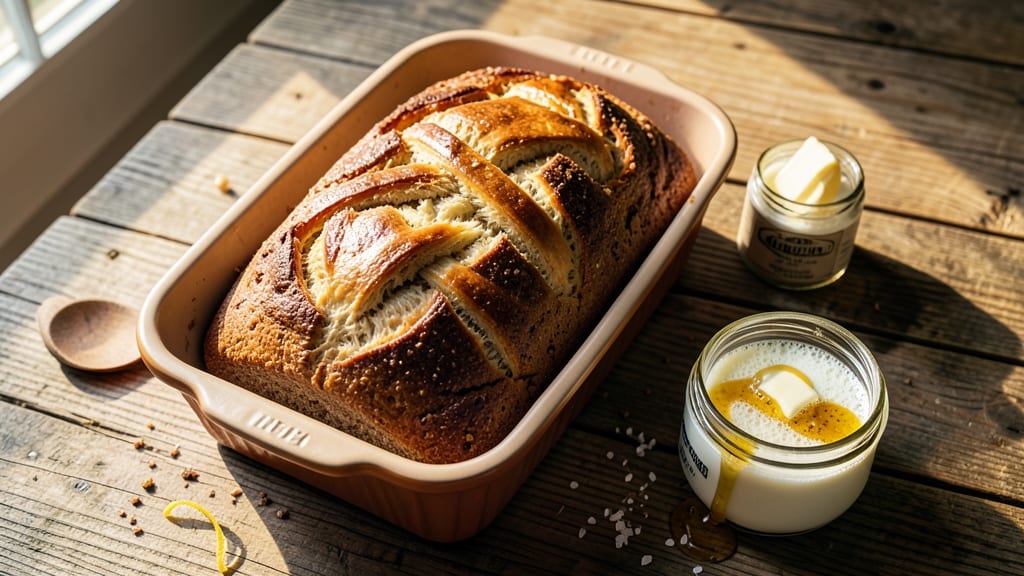
This airy whole wheat bread recipe transforms dense whole grain loaves into light, fluffy masterpieces with a tender crumb. The secret lies in precise hydration and strategic folding techniques that develop gluten without heaviness.
I've baked countless batches, and this method consistently delivers results that rival artisanal bread—no special equipment required.
Most whole wheat bread recipes fail because they overwork the dough or underestimate the flour's moisture needs. Here, we balance hydration with a touch of oil and a slow fermentation that allows flavors to deepen while maintaining an open crumb structure.
The dough rests twice—once after mixing and again after shaping—each step critical for achieving that signature airiness.
What you'll end up with is a loaf with a crisp golden crust and an interior so light it practically melts in your mouth. The texture is surprisingly tender for whole wheat, with an even distribution of flecks throughout.
This bread freezes beautifully for later use, making it perfect for meal prep or gifting.
The recipe uses basic pantry staples—whole wheat flour, yeast, milk, and a touch of honey—but the technique transforms ordinary ingredients into something extraordinary. Whether you're serving it with soup, using for sandwiches, or simply enjoying it toasted, this bread proves whole grains can be both nutritious and delicious.
Ingredients for airy whole wheat bread
Pantry staples meet artisanal technique—this list delivers restaurant-quality bread at home.
| Ingredient | Amount | Notes |
|---|---|---|
| King Arthur Whole Grain Flour 🌾 | 4 cups | High-protein blend preferred |
| Active Dry Yeast 🍞 | 1 ½ tsp | Freshly opened for best rise |
| Unsalted Butter 🧈 | ¼ cup | Softened, full-fat for tenderness |
| Warm Whole Milk 🥛 | 1 cup | 110°F for optimal yeast activation |
| Pure Honey 🍯 | 1 tbsp | Antibacterial, enhances browning |
| Diamond Crystal Kosher Salt 🧂 | 1 ½ tsp | Fine grain for even distribution |
| Olive Oil 🫒 | 1 tbsp | Extra-virgin for richness |
| Granulated Sugar 🍚 | 1 tsp | Feeds yeast for initial rise |
| Instant Vital Wheat Gluten 🌾 | ½ cup | Boosts gluten development |
| Cornmeal 🌽 | ¼ cup | For dusting bread pan |
| Ice Water 💧 | ¼ cup | Controls final dough temperature |
The flour is everything. King Arthur's high-protein blend handles the extra hydration better than most, but if you're stuck with regular whole wheat, add an extra 0.25 cup vital wheat gluten to compensate. Yeast? Grab the freshest package—check the date, not just the sell-by. I always buy mine from Whole Foods or Trader Joe's where they keep it refrigerated. The honey should be raw and unfiltered for that deep, floral flavor that caramelizes beautifully in the crust. And that butter? Full-fat only—the fat content is what makes this bread tender despite all the whole grains.
No honey? Maple syrup works 1:1, though it'll add a different depth of flavor. Running low on olive oil? Avocado oil is a perfect swap—same neutral profile. The milk can be any kind (even lactose-free), but it needs to be warm—110°F is ideal. Too hot and you'll kill the yeast; too cold and it won't activate properly. For the gluten boost, Bob's Red Mill vital wheat gluten is my go-to if you can't find instant. And if you're making this ahead, store the dry ingredients separately—yeast lasts longer that way.
This dough is finicky about temperature—keep everything cool until the final mix. The shaped loaf keeps 2 days at room temperature wrapped in a towel, or 5 days refrigerated in an airtight bag. For longer storage, freeze fully baked loaves wrapped in foil—thaw at room temp and rewarm in a 350°F oven for 10 minutes. Pro tip: Slice before freezing for perfect individual portions. The crust stays crisp even after thawing, so no need to worry about sogginess.
Why You'll Love This Recipe
- No-Knead Magic: I swear by this—just mix, let it rise overnight, and bake. The King Arthur whole grain flour handles the dough’s weight so well, you barely need to lift a finger beyond stirring.
- Honey-Butter Bliss: That warm milk and honey combo? It’s like a hug for your taste buds. The butter keeps it rich without overpowering, and the yeast makes every slice light as a cloud—no dense, heavy bread here.
- Weeknight Workhorse: Slice it for toast, tear it for sandwiches, or freeze half for later. I use it all week—breakfast, lunches, even as a base for soups—because it’s the one loaf that does it all.
- Budget-Friendly Luxury: Whole wheat bread that doesn’t cost a fortune? Yes, please. This recipe stretches ingredients smartly, and the leftovers stay fresh for days. Plus, the honey keeps it from drying out faster than my old store-bought loaves.
Step-by-step instructions for airy whole wheat bread
Here's how to achieve that perfect light, fluffy texture without the usual heaviness of whole wheat bread.
Activate the Yeast with Warm Milk and Honey
In a small bowl, combine the 1 cup warm whole milk (about 110°F) with the 1.5 tsp active dry yeast and 1 tsp granulated sugar. Let it sit for 5-10 minutes until it becomes frothy and bubbly—this confirms your yeast is alive and ready to work. The honey here isn't just for sweetness; it also helps control fermentation and gives that subtle caramelized flavor when baked.
If the mixture doesn't bubble after 10 minutes, your yeast might be dead. Start fresh with a new packet—this is the foundation of your bread's rise. The warmth of the milk activates the yeast, while the sugar provides immediate food for it to multiply and create those essential air bubbles that make bread light.
Mix the Dough with Vital Wheat Gluten and Butter
In a large bowl, whisk together the 4 cups King Arthur whole grain flour, 0.5 cup instant vital wheat gluten, and 1.5 tsp diamond crystal kosher salt. The gluten is crucial here—it strengthens the dough's structure, helping it trap air and rise properly. Add the softened 0.25 cup unsalted butter and 1 tbsp olive oil to the dry ingredients and mix until the butter is evenly distributed.
Next, pour in the yeast mixture and mix with a wooden spoon until a shaggy dough forms. The butter and oil create tenderness in the final bread, while the gluten ensures it doesn't crumble. You'll notice the dough will be stickier than white bread dough—this is normal with whole wheat. Don't be tempted to add extra flour yet; the gluten needs time to develop properly.
Knead and Hydrate the Dough with Ice Water
Turn the dough onto a lightly floured surface and knead for 8-10 minutes until smooth and elastic. I like to use the "windowpane test" here—stretch a small piece of dough thin enough to see light through it. If it tears, knead a bit longer. Gradually add the 0.25 cup ice water as you knead, about 1 tablespoon at a time, until the dough is hydrated but still manageable.
The ice water controls the final dough temperature, preventing overproofing later. You'll know it's ready when the dough springs back slowly when poked and doesn't stick to your fingers. This step is where the magic happens—the gluten strands align, creating that light, airy structure we're after. If the dough feels too warm, chill it for 10 minutes before proceeding.
First Rise and Shape the Loaf
Lightly oil a large bowl, place the dough inside, and cover with a damp towel. Let it rise in a warm place for 1-1.5 hours or until it has roughly doubled in size. You'll see bubbles forming on the surface and the dough will feel spongy to the touch. This is where the yeast ferments the sugars, creating carbon dioxide that makes the bread light.
Once risen, gently punch down the dough to release excess air, then shape it into a loaf. Dust your work surface with 0.25 cup cornmeal and shape the dough into a rectangle, then roll it up tightly from the long side. Place it seam-side down in a greased 9x5-inch loaf pan. The cornmeal prevents sticking and adds a subtle crunch to the crust.
Proof and Bake to Golden Perfection
Cover the loaf pan with a towel and let it proof for another 45-60 minutes until it rises about 1 inch above the pan. Preheat your oven to 375°F with a baking stone or inverted baking sheet inside—this creates steam for a better rise. Brush the loaf with a bit of water or milk for a shiny crust.
Bake for 30-35 minutes until the top is deep golden brown and sounds hollow when tapped. The internal temperature should reach 190-200°F. If the top browns too quickly, tent with foil. Let the bread cool in the pan for 10 minutes before transferring to a wire rack—this prevents a gummy crumb. The result should be a light, airy loaf with a crisp crust and tender interior, not the dense texture whole wheat bread often gets.
Pro Tips For Making Airy Whole Wheat Bread
- Bloom the Yeast First: Skip mixing yeast directly into dry flour—it’s the fastest way to kill it. Instead, dissolve it in warm milk (110°F) with a pinch of honey first, then let it sit for 5-10 minutes until frothy. Whole grain flour is dense; this step guarantees lift before it even touches the dough.
- Soften Butter Properly: Cold butter pockets in dough mean dense bread. Microwave unsalted butter in 10-second bursts until just pliable (not melted), then rub it into the flour like you’re kneading in buttercream. The goal is tiny, even crumbles—no lumps, no ice cubes.
- Don’t Over-Knead: Whole wheat dough fights back. After 8-10 minutes of kneading by hand (or 4-5 minutes in a mixer), it’ll spring back slowly when poked—that’s your cue to stop. Overwork it, and the gluten tightens, crushing the air bubbles you’ve worked so hard to create.
- Score Deeply Before Baking: Whole grain bread cracks unpredictably. Use a razor or sharp knife to slash the loaf 1/4-inch deep in a cross or diagonal pattern right before baking. This directs the expansion, prevents messy splits, and gives you that bakery-style finish—no sad, uneven tears.
Regional styles of this recipe
Italian Rustic Style
Inspired by traditional Tuscan bread, this variation swaps 1 cup of the whole wheat flour for all-purpose flour to create a lighter crumb while keeping the nutty flavor. Add 1 tbsp dried rosemary and 1 tsp fennel seeds to the dough for an authentic touch.
Brush the baked loaf with garlic-infused olive oil and sprinkle with coarse sea salt. This version pairs perfectly with tomato-based soups or as a side for hearty pasta dishes. 🌿
German Pumpernickel Twist
For a denser but still airy texture, replace 0.5 cup of the whole wheat flour with rye flour and add 1 tbsp molasses to the dough. This variation stays true to Pumpernickel traditions while maintaining the lightness of our base recipe.
The molasses adds deep caramel notes that complement the whole wheat flavor. Serve this version with smoked sausages or sharp cheeses like aged Gouda for a satisfying contrast. 🥨
French Fougasse Adaptation
Shape the dough into a free-form loaf with slashed edges to create a rustic Provençal fougasse. Before baking, press olive oil into the slashes and sprinkle with flaky sea salt and herbes de Provence.
This version works beautifully as a charcuterie board base or alongside roasted vegetables. The open slashes create crispy edges while keeping the interior tender, just like traditional fougasse. 🌟
Swedish Cardamom Bread
Infuse the dough with 1 tsp ground cardamom and 1 tbsp brown sugar for a Scandinavian-inspired twist. This version has a subtle sweetness that pairs wonderfully with butter or jam. Shape it into a round loaf or braid for an elegant presentation.
The cardamom adds warmth that balances the earthy whole wheat flavor. Serve with lingonberry jam or as a side to smoked fish dishes. 🌸
Mexican Corn & Wheat Fusion
Replace 0.5 cup of the whole wheat flour with fine cornmeal and add 1 tsp cumin and ½ tsp chili powder for a fusion loaf inspired by Mexican pan de muerto but with an airy texture.
Brush the baked loaf with honey butter (mix 2 tbsp softened butter with 1 tbsp honey). This version works perfectly for breakfast sandwiches or as a side for taco nights. The corn adds a subtle sweetness that complements the spices. 🌶️
Nutrition facts
Frequently asked questions
Why does my whole wheat bread always turn out dense?
Whole wheat flour absorbs more moisture and has less gluten than white flour, making it easy to overwork the dough. The key is gentle handling—avoid over-kneading and use the ice water trick to control temperature. Our recipe's vital wheat gluten and butter/oil combo help create that airy texture by strengthening the gluten structure while keeping it tender.
Can I substitute all-purpose flour for whole wheat?
You can replace up to 50% of the whole wheat flour with all-purpose, but expect a less nutty flavor and denser texture. For best results, keep at least 2 cups whole wheat flour to maintain the airy quality. If you're gluten-sensitive, use a 1:1 gluten-free whole wheat blend with xanthan gum added. The gluten network is what creates that signature lightness.
How do I know when the dough is ready to shape?
Your dough is ready when it's smooth, elastic, and springs back slowly when poked (about 1-2 seconds). It should also feel warm but not hot to the touch—around 75-80°F. If it's too sticky, let it rest 10-15 minutes covered while you prepare your work surface. The windowpane test works best here: stretch a small piece until it's thin enough to see light through without tearing.
What's the best way to store this bread?
Wrap the cooled loaf tightly in beeswax wrap or aluminum foil, then store at room temperature for 2-3 days in a bread box. For longer storage, freeze sliced portions in a sealed bag for up to 3 months. To revive, thaw at room temperature and rewarm in a 350°F oven for 5-10 minutes. The crust stays crisp even after freezing!
Can I make this bread without a stand mixer?
This dough is perfectly kneadable by hand—just use the fold-and-turn method: stretch one side of the dough toward the center, fold it over, then rotate the bowl and repeat. Aim for 8-10 minutes of total kneading time. The ice water helps keep the dough cool enough to handle without sticking. A damp towel on your hands prevents sticking while kneading.