
Side Dishes
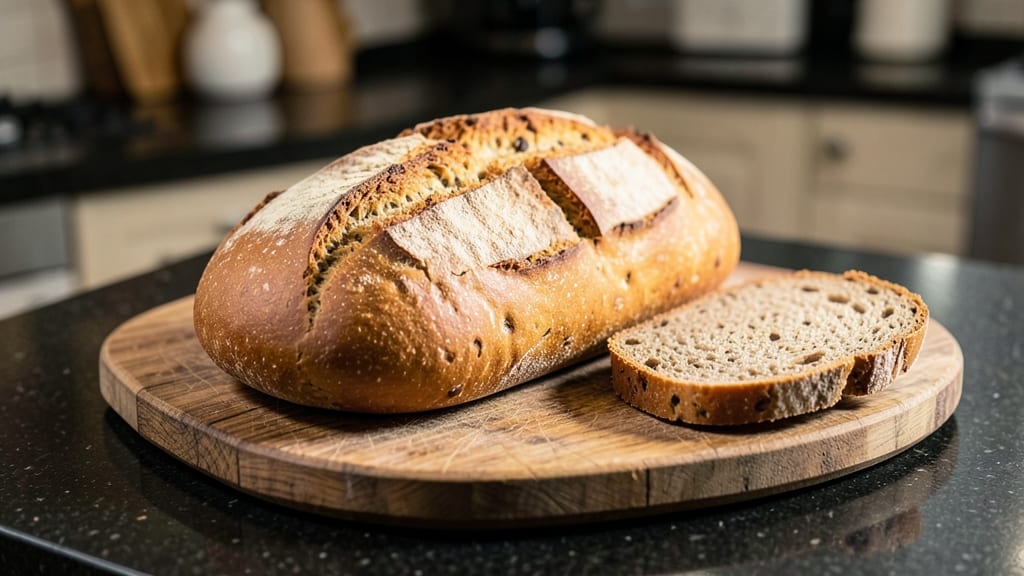
This all rye bread recipe delivers the perfect balance of sourdough-style crust and nutty depth that makes every slice worth savoring. The secret lies in a precise fermentation process that develops rich, complex flavors while maintaining that signature dense yet tender crumb.
I've perfected this technique through years of baking, ensuring consistent results even for beginners.
What sets this recipe apart is the careful combination of high hydration and proper gluten development, which creates that signature chewy texture without being too heavy.
The dough undergoes a cold fermentation overnight, allowing flavors to mature deeply while building structure. This method transforms simple ingredients into bread with restaurant-quality depth.
By the time it emerges from the oven, you'll have golden-brown crust with cracks that hint at the nutty, caramelized goodness inside. The aroma alone will fill your kitchen with warmth, and each slice offers that perfect balance of density and chewiness that makes rye bread so special.
This is bread that stays fresh for days and gets better with each slice.
The beauty of this recipe is its versatility—use it for sandwiches, toast with butter, or serve with soups. The foolproof method ensures success even on your first attempt, making it perfect for both experienced bakers and those new to rye bread. Let's get started on creating your perfect loaf.
Ingredients for all rye bread
Transform simple pantry staples into restaurant-quality rye bread with this foolproof recipe.
| Ingredient | Amount | Notes |
|---|---|---|
| Active Sourdough Starter 🍞 | ½ cup | 100% hydration, bubbly and active |
| All-Purpose Flour 🌾 | 3 cups | King Arthur brand preferred |
| Dark Rye Flour 🌾 | 1 ½ cups | Bob's Red Mill for best flavor |
| Light Rye Flour 🌾 | ½ cup | For subtle sweetness |
| Whole Wheat Flour 🌾 | ½ cup | Adds hearty texture |
| Granulated Sugar 🍚 | ¼ cup | Brown sugar for deeper flavor |
| Salt 🧂 | 1 ½ tsp | Diamond Crystal preferred |
| Instant Yeast 🍄 | ½ tsp | For reliable fermentation |
| Water 💧 | 2 ½ cups | Filtered, room temperature |
| Olive Oil 🫒 | 1 tbsp | Extra-virgin for richness |
| Honey 🍯 | 1 tbsp | For subtle sweetness |
| Cornmeal 🌽 | ¼ cup | For dusting loaf pan |
| Sesame Seeds 🌱 | 1 tbsp | Optional for decorative crust |
The flours are where the magic happens. Bob's Red Mill dark rye delivers that signature deep flavor, while King Arthur all-purpose provides structure. I grab both at Whole Foods—their bulk bins keep everything fresh. For the whole wheat, Bob's Red Mill again—it's stone-ground, so it adds that perfect hearty bite. If you're in a pinch, Trader Joe's carries decent rye flour too. The sourdough starter? Feed it daily for 5 days before using—it should be bubbly and have doubled in size within 4-6 hours after feeding. That's your cue it's ready for this recipe.
No dark rye flour? Substitute with pumpernickel flour or even extra whole wheat, though the flavor won't be identical. Running low on honey? Maple syrup works perfectly—just use the same amount. The olive oil can be swapped for avocado oil if you prefer a milder taste. For the yeast, if your packet is past its expiration, proof it first—drop a pinch in warm water with a little sugar; if it bubbles in 5 minutes, it's good to go. The sesame seeds are optional but worth it—they add a beautiful crunch and look stunning on top of your loaf.
This dough is best made a day ahead. After shaping, cover tightly with plastic wrap and refrigerate overnight—24 hours max. The cold fermentation develops those incredible flavors. When baking, preheat your oven to 425°F and let the loaf bake for 35-40 minutes until it's deep golden brown. Store wrapped at room temperature for 3-4 days or freeze for up to 3 months. I slice mine fresh and toast it daily—nothing beats that fresh-from-the-oven aroma filling your kitchen.
Why You'll Love This Recipe
- I’ll be real: rye flour isn’t cheap, but this recipe stretches it. The all-purpose base keeps costs down, and the sourdough starter means you’re not buying yeast. Plus, a single batch lasts my family five days—no wasted crusts here.
- No-Knead, No Stress: I’ll admit, I was skeptical about sourdough rye—until I tried this. The starter does the heavy lifting, so you just mix, wait, and bake. The dark rye flour gives it that deep, earthy bite without requiring fancy techniques.
- Tangy-Sweet Crust: Between us, this bread’s crust is dangerously good—the dark rye caramelizes into a crispy, molasses-like edge, while the light rye inside stays tender. Honestly, I’ve caught myself eating slices straight from the pan.
- Weeknight Workhorse: This bread doubles as toast, sandwich bread, or even a side for soup. I keep a loaf in the freezer for lazy mornings—just toast straight from frozen. The whole wheat adds chewiness, so it holds up to everything from avocado toast to open-faced charcuterie.
Step-by-step instructions for all rye bread with nutty depth
Here's how to craft a loaf with a crisp sourdough crust and rich, complex flavor—every bite delivers that perfect balance of tang and sweetness.
Combine Wet Ingredients for Optimal Hydration
In a large mixing bowl, whisk together the 0.5 cup active sourdough starter, 2.5 cups water, 1 tbsp honey, and 1 tbsp olive oil. The starter should be bubbly and active—if it's sluggish, give it another hour to wake up. This mixture forms the foundation of your dough, so let it sit for 5 minutes while you prepare the dry ingredients. The honey and olive oil add subtle sweetness and richness that complement the rye's earthy notes.
I like to use a whisk for this step to ensure everything is fully emulsified. The olive oil helps create a tender crumb later, while the honey feeds the yeast and balances the rye's natural bitterness. If your starter is particularly strong, you might notice a tangy aroma developing—this is exactly what you want.
Mix Dry Ingredients for Perfect Texture
In a separate bowl, combine the 3 cups all-purpose flour, 1.5 cups dark rye flour, 0.5 cup light rye flour, 0.5 cup whole wheat flour, 0.25 cup granulated sugar, 1.5 tsp salt, and 0.5 tsp instant yeast. Whisk vigorously for 1 minute to aerate the flours and distribute the yeast evenly. The rye flours should smell distinctly nutty and slightly sweet—this is your flavor profile developing right before your eyes.
I always measure the rye flours by weight if possible, as volume measurements can vary significantly between brands. The whole wheat flour adds texture and color, while the sugar helps with browning and balances the rye's intensity. The salt should be distributed evenly—this prevents uneven fermentation and ensures consistent flavor throughout the loaf.
Hydrate the Dough for Maximum Flavor Development
Gradually add the dry ingredients to the wet mixture, stirring with a wooden spoon until just combined. The dough will be shaggy at first—don't panic. Let it rest for 10 minutes, then use your hands to gently knead until smooth. You're aiming for a cohesive dough that's slightly tacky but not sticky. The high rye content means this dough behaves differently than wheat-only dough—it's more elastic and less glutinous.
I find that kneading by hand gives me better control with this recipe. If the dough feels too dry, add 1 tablespoon of water at a time until it reaches the right consistency. The goal is a dough that's soft but not wet, with a slight sheen on the surface. This texture ensures proper oven spring and a tender crumb.
Bulk Ferment for Deep Flavor
Cover the bowl with a damp towel and let the dough ferment at room temperature for 4-6 hours, or until it has roughly doubled in size. The rye flour works its magic during this time, developing those complex, nutty flavors. You'll know it's ready when the dough feels light and springs back slowly when poked. This longer fermentation time is crucial—it's what gives sourdough-style rye its signature depth.
I like to set my dough in a warm spot, like near the oven with the light on. The temperature should be around 75-78°F for optimal fermentation. If your kitchen is cooler, extend the fermentation time by 1-2 hours. During this period, the yeast and bacteria in your starter work together to create that signature tang and complexity that makes this bread so special.
Shape and Proof for Perfect Rise
Lightly flour a work surface and gently shape the dough into a log. I prefer to use the "stretch and fold" method for rye bread—this helps develop gluten without overworking the dough. Place the shaped loaf in a greased 9x5-inch loaf pan, seam-side up, and let it proof for 1-2 hours until it rises 1-2 inches above the pan. The dough should feel firm but still springy to the touch.
Before baking, brush the top with water and sprinkle evenly with the 1 tbsp sesame seeds. This creates a beautiful crust and adds a subtle nutty crunch. For an extra crisp crust, I sometimes dust the pan with 0.25 cup cornmeal before shaping the dough—this prevents sticking and adds a lovely golden color to the bottom of the loaf.
Bake for Crisp Crust and Perfect Crumb
Preheat your oven to 375°F with a Dutch oven inside for 30 minutes. Remove the Dutch oven and place your shaped loaf inside, then bake covered for 30 minutes. Remove the lid and bake uncovered for an additional 20-25 minutes until the crust is deep golden brown and the internal temperature reaches 205-210°F. The bread should sound hollow when tapped on the bottom.
This two-stage baking process is key—it creates that signature sourdough crust while keeping the interior moist and tender. The Dutch oven traps steam initially, then the uncovered bake develops that beautiful crust. Let the bread cool in the pan for 10 minutes before transferring to a wire rack. This resting period allows the crumb to set properly and prevents a gummy texture.
Pro Tips For Making All Rye Bread
- Sift the Rye First: Dark and light rye flours are dense—toss them in a fine-mesh sieve with your all-purpose flour before measuring. I learned this the hard way when my first batch turned out brick-heavy; sifting aerates the mix and prevents a compact, gummy texture. Do this right after mixing your starter with water, so you don’t forget.
- Hydrate the Starter: Your sourdough starter should be at its peak—bubbly, doubled in 4–6 hours, and slightly domed. If it’s sluggish, feed it 1:1:1 (starter:water:flour) twice, 4 hours apart, before using. Rye bread needs active fermentation to shine; a weak starter means a flat, sour disappointment.
- Skip the Over-Kneading: Rye dough is stubborn—it resists stretching and feels gummy. Stop when you hit 80% of the handle-and-fold turns (usually 3–4 sets). Overworking it develops too much gluten, which masks the rye’s deep flavor. Let the starter do the heavy lifting.
- Steam the Loaf: Place a metal bowl of boiling water on the oven rack before baking. The steam mimics a bread oven and gives your crust that crackly, caramelized finish. I used to skip this and ended up with a sad, dry top—now it’s non-negotiable for that bakery-style shine.
Flavor customization for this recipe
Sweet Variations
For a touch of sweetness, replace 0.25 cup granulated sugar with 0.25 cup maple syrup or 0.2 cup honey in the wet ingredients. This enhances the natural sweetness of the light rye flour while adding depth.
I also love adding 1 tsp cinnamon and ½ tsp cardamom to the dry ingredients for a subtle spiced twist—perfect for breakfast toast or dessert slices. 🍯
Spiced Rye Twist
Infuse your loaf with warm spices by adding 1 tsp ground coriander and ½ tsp allspice to the dry ingredients. These spices complement the rye’s earthiness beautifully, creating a flavor profile reminiscent of Scandinavian rye breads.
For extra warmth, sprinkle ½ tsp ground ginger on top before baking. This variation pairs wonderfully with sharp cheeses like aged Gouda or blue cheese.
Seeded and Nutty
Boost texture and nutrition by adding 2 tbsp sunflower seeds, 1 tbsp flaxseeds, or ¼ cup chopped walnuts to the dough during the final kneading stage. These additions create delightful crunch and enhance the bread’s nutty character.
For a visual pop, press ½ cup pumpkin seeds into the dough before shaping—this creates a stunning, textured crust. 🌰
Herb-Infused Rye
Brighten your loaf with fresh herbs by mixing 1 tbsp finely chopped rosemary or 1 tbsp thyme leaves into the dough after the initial kneading. The herbs add a fragrant, slightly piney note that balances the rye’s earthiness.
For a Mediterranean touch, sprinkle 1 tbsp dried oregano on top before baking. This variation works beautifully with roasted vegetables or grilled meats.
Whole Grain Boost
For a heartier loaf, replace 0.5 cup whole wheat flour with 0.5 cup spelt flour or 0.5 cup barley flour. These whole grains add a chewy texture and deeper, nuttier flavor. To maintain moisture, reduce the total water by 1 tbsp.
This variation is perfect for those who love a robust, rustic bread with extra fiber and nutrients. Pair it with hearty soups or sandwiches for a satisfying meal.
Smoky and Bold
Add a smoky depth by mixing 1 tsp smoked paprika or ½ tsp liquid smoke into the wet ingredients. For a bolder flavor, replace 0.5 cup light rye flour with 0.5 cup pumpernickel flour, which has a naturally smoky taste.
This variation is ideal for pairing with smoked salmon, barbecue, or spicy dishes that need a smoky counterpoint. 🔥
Nutrition facts
Frequently asked questions
Can I make this all-rye bread without a sourdough starter?
Yes! You can substitute the sourdough starter with 1.5 tsp instant yeast plus 1 tbsp honey in the wet ingredients. The flavor won't be identical, but you'll still get a delicious rye loaf with a good crust. For best results, let the dough ferment for an extra 1-2 hours to develop depth.
Why does my rye dough feel too sticky?
Rye dough naturally absorbs more moisture than wheat dough. If it's too sticky, add 1-2 tablespoons of flour at a time until it's just manageable. Avoid over-flouring, as this can make the crumb dry. The dough should be tacky but not wet—think of it like a soft playdough consistency.
How do I know when the bread is fully baked?
Your loaf is done when the internal temperature reaches 205-210°F and the crust is deep golden brown with cracks. Tap the bottom—it should sound hollow. If unsure, bake for 5 more minutes to ensure doneness, as rye bread can continue cooking slightly after removal.
Can I bake this in a regular loaf pan without a Dutch oven?
Yes, but the crust may be less crisp. Preheat your pan in the oven for 15 minutes first, then bake covered with foil for the first 30 minutes to trap steam. For extra browning, place a metal tray with 1 cup water on the lower rack during baking.
How long does this bread stay fresh?
Wrapped tightly at room temperature, this loaf stays fresh for 4-5 days. For longer storage, slice and freeze portions for up to 3 months. To revive, toast frozen slices directly in the toaster—no thawing needed!