
Side Dishes
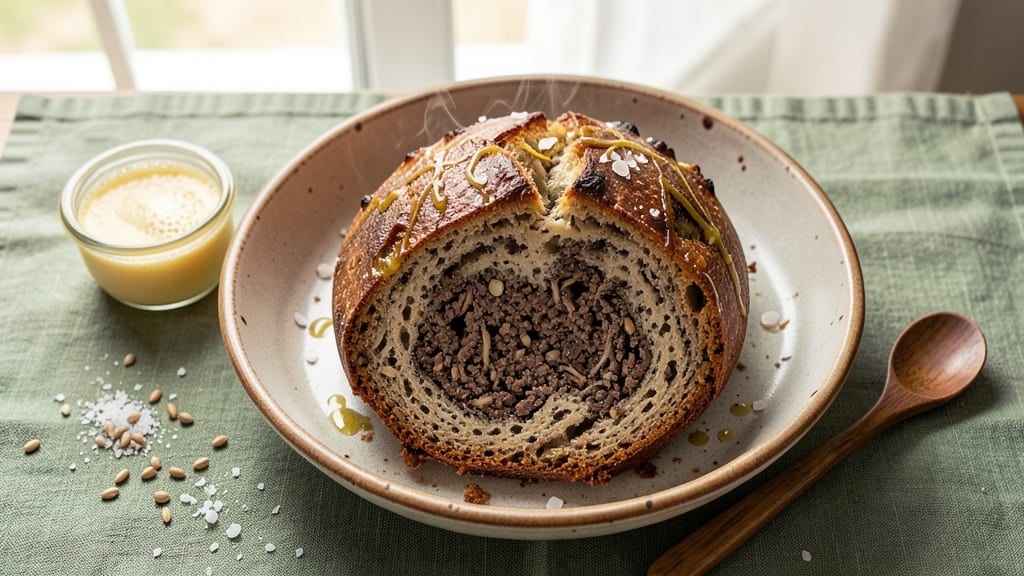
This Alpine grain bread recipe delivers rustic perfection with a crisp crust and nutty, hearty interior—perfect for sandwiches, dipping, or simply enjoying warm from the oven. The secret lies in combining traditional Alpine grains like rye and spelt, which bring deep, earthy flavors and a satisfying chew.
I developed this recipe after years of experimenting with European bread techniques, and it never fails to impress.
The process is straightforward but requires patience: a long fermentation (overnight in the fridge) develops complex flavors, while a high-heat bake creates that signature crackly crust. You'll need just 6 ingredients—flour, water, yeast, salt, and your choice of Alpine grains—and about 24 hours from start to finish.
The result? A loaf so flavorful it rivals artisanal bakery bread.
What sets this bread apart is its versatility—slice it for toast, use it for sandwiches, or serve it alongside soups and stews. The nutty depth from the grains pairs beautifully with butter, jam, or even as a side for hearty Alpine dishes.
Once you try this recipe, you'll never buy store-bought grain bread again.
For best results, use a mix of rye and spelt flour for that authentic Alpine taste, and don’t skip the cold proof—it’s what gives this bread its signature texture. Ready to bake? Let’s get started.
Ingredients for alpine grain bread
Six ingredients transform into rustic Alpine bread with nutty depth and crisp crust.
| Ingredient | Amount | Notes |
|---|---|---|
| Bread Flour 🌾 | 3 cups | High-protein for structure |
| Rye Flour 🌾 | 1 cup | Dark rye for Alpine depth |
| Spelt Flour 🌾 | 1 cup | Stone-ground for texture |
| Active Dry Yeast 🍞 | 2 ¼ tsp | Freshly opened for potency |
| Warm Water 💧 | 1 ½ cups | 105-110°F for activation |
| Sea Salt 🧂 | 1 ½ tsp | Fine grain preferred |
| Olive Oil 🫒 | 2 tbsp | Extra-virgin for richness |
| Honey 🍯 | 1 tbsp | Local raw preferred |
| Cornmeal 🌽 | 2 tbsp | For dusting parchment |
The flours are the heart of this bread. King Arthur brand bread flour is my go-to for consistency—it has that perfect protein content. For the rye and spelt, Bob's Red Mill stone-ground versions bring the most authentic Alpine flavor. If you can only find pre-ground rye, dark rye flour from the bulk section works, but avoid the light rye—it lacks depth. The yeast? Freshly opened packets make all the difference—old yeast won't activate properly. Store your yeast in the freezer if you're not using it soon. And that honey? Local, raw honey adds subtle floral notes, but any good-quality honey will work in a pinch.
No rye flour? Substitute with whole wheat flour at half the amount, but expect a denser crumb. Out of spelt? Regular whole wheat works, though the flavor will be less distinct. Running low on olive oil? Unsalted butter melted gives a similar richness. The cornmeal is just for dusting—skip it if you're using a well-floured surface, but it helps prevent sticking. For the water, filtered or dechlorinated is best if your tap water is heavily treated. And if you're making this in a high-altitude area, add an extra 0.5 tsp of yeast to compensate for the thinner air.
This dough needs patience—24 hours total, including overnight cold proof. Shape the loaf and let it rise in the fridge overnight for maximum flavor development. Once baked, cool completely on a wire rack before slicing—cutting too soon makes it gummy. Store wrapped in a clean kitchen towel at room temperature for 3-4 days, or freeze the whole loaf for up to 3 months. To revive stale bread, wrap in foil and warm in a 350°F oven for 10 minutes. The crust stays crisp for about a day, but the interior stays soft for days.
Why You'll Love This Recipe
- No-Knead Magic: I swear by this—just mix, wait, and bake. No standing at the counter for hours, no arm workout. The rye and spelt blend does all the heavy lifting while you sip your coffee.
- Earthy Crunch Perfection: That first bite? Crispy crust with a chewy, nutty interior thanks to the spelt, and a deep, toasty rye flavor. Honestly, it’s the kind of bread that makes you pause mid-slice just to savor it.
- Weeknight Wonder: Toss a loaf in the oven while you prep dinner—it’s done by the time you’re plating. Slice it for sandwiches, toast it for breakfast, or serve it warm with soup. (Yes, even on a Tuesday night.)
- Budget-Friendly Staple: A single batch feeds me for days—great for lunchboxes, toast, or croutons. Between us, this is my secret weapon for stretching groceries without sacrificing taste.
Step-by-step instructions for Alpine grain bread
Here's how to craft a loaf with a crackling crust and layers of nutty complexity.
Activate the Yeast for Maximum Rise
In a large mixing bowl, combine the 1.5 cups warm water, 1 tbsp honey, and 2.25 tsp active dry yeast. Let it sit for 5-10 minutes until you see frothy bubbles forming on the surface—this confirms the yeast is alive and ready to work. The water should feel warm to the touch but not hot (around 105-110°F). If it doesn't bubble, your yeast might be dead, and you'll need to start over.
While waiting, whisk in the 2 tbsp olive oil and 1.5 tsp sea salt until fully dissolved. The honey here serves a dual purpose: it feeds the yeast while adding subtle sweetness that balances the earthy rye and spelt. Don't skip this step—proper yeast activation ensures your bread will rise properly and develop that airy, open crumb we're after.
Combine the Flours for Texture and Flavor
Add the 3 cups bread flour, 1 cup rye flour, and 1 cup spelt flour to the yeast mixture. Using a wooden spoon or dough whisk, stir vigorously for 2-3 minutes until a shaggy dough forms. The rye flour will darken the mixture slightly, giving that characteristic Alpine depth, while the spelt adds a pleasant nutty complexity. You're looking for a dough that's sticky but not soupy—it should pull away from the sides of the bowl.
At this stage, the dough might feel too wet to handle. That's normal. The high protein content in bread flour combined with the moisture from the rye will create a stiff but elastic dough. If it feels too sticky after mixing, you can add 1-2 tablespoons of the same flour mixture to bring it together, but don't overdo it—this bread relies on that moisture for flavor and texture.
Knead Until Elastic and Smooth
Turn the dough onto a lightly floured surface and knead for 8-10 minutes by hand, or use a stand mixer with a dough hook attachment for 5-6 minutes on medium speed. You'll know it's ready when the dough springs back slowly when poked and feels smooth to the touch. The gluten development here is crucial—it creates that satisfying chew and open crumb structure we want in an artisan loaf.
If the dough feels too sticky, wet your hands slightly and keep kneading. If it's too dry, add a teaspoon of water at a time. The ideal dough should be slightly tacky but not gluey. Once kneaded, shape it into a round ball, place it back in the bowl, and cover with a damp towel. Let it rise in a warm place for 1-1.5 hours, or until it has roughly doubled in size. The dough should feel light and airy when pressed gently—this indicates proper fermentation.
Shape and Proof for Structure
Punch down the risen dough to release air, then shape it into a 12-inch round loaf on a piece of parchment paper dusted with 2 tbsp cornmeal. The cornmeal prevents sticking and adds a subtle crunch to the bottom crust. Fold the edges toward the center and roll tightly to create surface tension, which helps maintain the loaf's shape during baking. This shaping technique also creates those beautiful, irregular cracks we associate with rustic bread.
Place the shaped loaf on a baking sheet lined with another sheet of parchment paper. Cover it loosely with a clean kitchen towel and let it proof for another 30-45 minutes until it rises noticeably again. You'll see the dough expand and the surface develop small bubbles—this final proofing step is what gives the bread its height and open crumb. Don't skip it, even if it seems like the dough has already risen plenty.
Bake for a Crisp Crust and Nutty Interior
Preheat your oven to 400°F with a Dutch oven inside for 30 minutes. This step is crucial—it creates steam, which helps develop that crackling crust and prevents the bread from drying out. Carefully transfer the loaf (still on its parchment) into the hot Dutch oven. Bake covered for 25 minutes, then remove the lid and bake for another 15-20 minutes until the crust is deep golden brown and sounds hollow when tapped on the bottom.
The internal temperature should reach 190-200°F at the center. Let the bread cool on a wire rack for at least 1 hour before slicing—this allows the steam to escape and the crumb to set properly. If you can't wait, slice carefully, but you'll sacrifice some of that satisfying texture. The finished loaf should have a crisp, crackly exterior with a soft, open crumb and hints of nutty spelt and earthy rye throughout. Each slice should feel substantial yet tender, with layers of flavor in every bite.
Pro Tips For Making Alpine Grain Bread
- USE COOL WATER FIRST: The rye and spelt flours in this recipe absorb moisture like sponges—start with 100°F water instead of boiling, then adjust to 110°F while mixing. I learned this the hard way after ending up with a dough that was too sticky to handle. A kitchen thermometer is your friend here.
- WEIGH YOUR FLOURS: Scooping rye and spelt flours straight from the bag packs in extra air, and this bread’s dense texture demands precision. Use a scale for all flours—500g bread flour, 200g each rye and spelt—no exceptions. The rye especially varies in density, and eyeballing it ruins the balance.
- LET THE DOUGH REST LONGER: This isn’t your typical quick-rise bread. After the first bulk ferment, let it chill in the fridge for 12–16 hours—yes, even if you’re tempted to skip it. The rye’s tang and spelt’s nuttiness develop fully, and the gluten relaxes enough to avoid a dense crumb. I know, I know, but trust the process.
- STEAM THE OVEN FIRST: Preheat your Dutch oven with a metal tray of boiling water on the bottom rack for 20 minutes before baking. The extra steam helps the spelt flour’s outer bran layer soften, preventing a dry, gummy crust. Sounds weird, but it works—your bread will have that professional bakery chew.
Perfect pairings for this recipe
Buttery Spreads
This Alpine bread pairs perfectly with rich, cultured butter like Plugrá or Kirkland Signature salted butter. I like to soften it slightly and spread it on warm slices—its creamy texture contrasts beautifully with the bread's nutty crumb.
For extra flavor, mix in 1 tsp honey and a pinch of freshly cracked black pepper. The sweetness balances the earthy rye while the pepper adds a subtle kick. 🧈
Jam Pairings
Sweet and tart fruit preserves elevate this bread's rustic character. I recommend blackberry jam or apricot preserves—their bright acidity cuts through the richness. Spread a thin layer on toasted slices and top with a sprinkle of flaky sea salt for a sweet-savory contrast.
For a breakfast twist, pair with Greek yogurt and a drizzle of local honey. The Alpine grains' nutty notes complement the fruit's natural sugars beautifully.
Cheese Boards
This bread is a blank canvas for cheese boards. I love pairing it with aged Gruyère, sharp cheddar, and creamy brie—the nutty spelt and earthy rye enhance their flavors. Add dried apricots, walnuts, and honeycomb pieces for texture and sweetness.
For a Swiss-inspired board, include Emmental and pickled onions—the tangy crunch balances the bread's heartiness. Serve with a crisp Sauvignon Blanc to cleanse the palate. ✨
Soup Companions
Serve this bread alongside hearty Alpine soups like creamy potato-leek or lentil stew. The bread's crisp crust soaks up broth beautifully while its dense crumb holds up to chunky soups. For a lighter option, pair with tomato basil soup and a sprinkle of Parmesan.
The nutty grains add depth to the soup's acidity, making each bite more satisfying. I often serve it with a side of garlic aioli for dipping—it's a crowd-pleaser at dinner parties. 🍲
Breakfast Pairings
Transform this bread into a breakfast star with scrambled eggs, crispy bacon, and avocado slices. The dense crumb holds up to runny yolks, while the crust adds satisfying texture.
For a sweet morning, spread with ricotta cheese, sliced figs, and a drizzle of maple syrup. The spelt's nutty flavor complements the sweetness perfectly. I also love toasting slices and topping them with almond butter and banana slices for a quick energy boost. 🍳
Wine and Beer Matchups
For wine, a dry Riesling or Pinot Noir enhances the bread's nutty and earthy notes. The Riesling's acidity balances the richness, while the Pinot Noir's fruitiness complements the spelt.
For beer lovers, a Belgian witbier with its citrusy notes or a German hefeweizen with a touch of clove adds refreshing contrast. Avoid heavy stouts—they overpower the bread's delicate flavors. 🍷
Nutrition facts
Frequently asked questions
Can I substitute whole wheat flour for the rye and spelt?
You can make substitutions, but expect different results. Replace 1 cup rye with 1 cup whole wheat flour for a denser texture, but the Alpine flavor will be milder. For spelt, use 1 cup all-purpose flour—it won't have the same nutty depth, but the structure will be similar. The rye is key for that authentic Alpine taste, so if possible, stick with it.
Why does my dough feel too sticky after mixing?
The rye and spelt flours absorb more moisture than regular flour, so a sticky dough is normal! If it's unmanageable, wet your hands slightly and keep kneading—this helps develop gluten. Avoid adding too much extra flour, as it can make the bread dense. The dough should be tacky but not gluey when kneaded properly.
How long can I keep this bread fresh?
Wrap the cooled loaf in a clean kitchen towel and store at room temperature for 3-4 days. For longer storage, freeze the whole loaf (unwrapped) for up to 3 months. To revive stale bread, wrap it in foil and warm in a 350°F oven for 10 minutes. The crust stays crisp for about a day, but the interior remains soft for days.
Can I bake this bread without a Dutch oven?
Yes, but you'll need to create steam another way. Place a metal bowl filled with boiling water on the oven rack below the baking sheet. Bake as directed, but expect a slightly less crisp crust. For best results, use a heavy baking sheet or stone to mimic the Dutch oven's heat retention.
What makes this bread "Alpine" in flavor?
The combination of rye and spelt flours gives it that signature Alpine taste. Rye adds earthy depth, while spelt brings nutty sweetness. The long cold proof also develops complex flavors. Traditional Alpine breads often use these grains, which grow well in mountainous regions and have been staples for centuries.