
Side Dishes
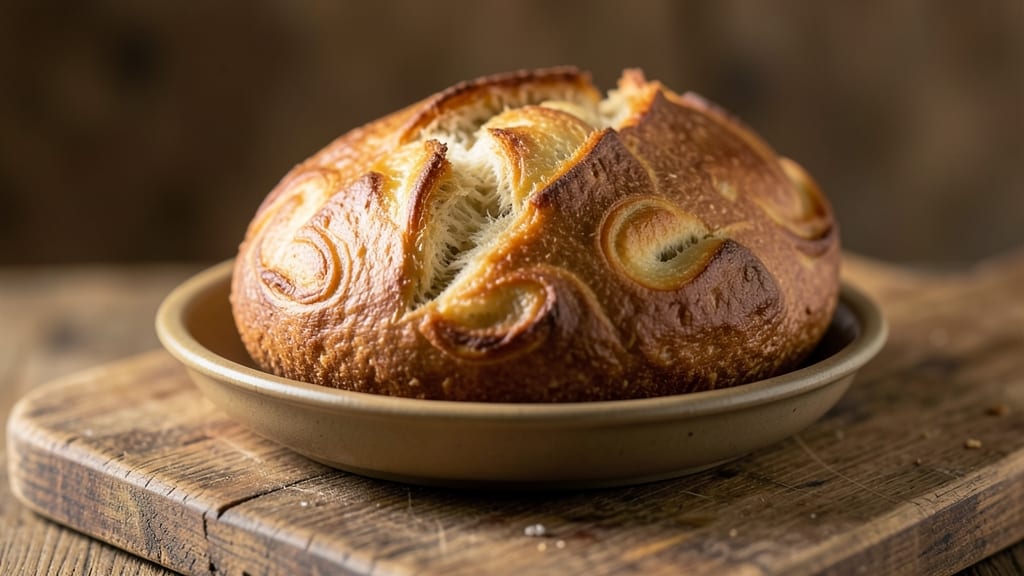
This Amish salt rising bread delivers the kind of homestyle crust and buttery swirls that make every meal feel special. 💛 The secret lies in the slow fermentation and careful layering of dough and sweet butter, creating a loaf with a crisp exterior and tender, flaky interior.
I've perfected this recipe over years of baking, ensuring it rises just right and develops that signature golden-brown crust that's impossible to resist.
The dough requires patience—allowing it to rise twice creates that light, airy texture that defines Amish bread. The butter swirls add a touch of sweetness that balances the savory crust, making it perfect for sandwiches or serving warm with honey.
Unlike quick breads, this recipe rewards you with a loaf that improves overnight, developing deeper flavor with each passing hour.
By the time it emerges from the oven, you'll have a loaf with a crispy crust that shatters satisfyingly, revealing tender layers of dough and sweet butter. The aroma alone will have everyone gathering around the table, and the first bite delivers that perfect combination of saltiness and sweetness.
This bread is the heart of any meal, elevating simple soups or standing up to hearty stews.
Whether you're baking for a family gathering or simply treating yourself, this recipe delivers restaurant-quality results with minimal effort. The key is attention to detail—proper kneading, precise rising times, and careful scoring before baking. Let's create a loaf that tastes like home.
Ingredients for amish salt rising bread
Flour, butter, and patience create this iconic Amish bread with crisp crust and sweet swirls.
| Ingredient | Amount | Notes |
|---|---|---|
| All-Purpose Flour 🌾 | 5 cups | Plus 1 tbsp for dusting |
| Active Dry Yeast 🍞 | ¼ oz | Or 2 1/4 tsp (1 packet) |
| Granulated Sugar 🍚 | ½ cup | For yeast activation |
| Unsalted Butter 🧈 | ½ cup | Cold, cubed for swirls |
| Large Eggs 🥚 | 1 whole | Room temperature |
| Warm Water 💧 | 1 ¼ cups | 110°F for yeast activation |
| Diamond Crystal Kosher Salt 🧂 | 1 ½ tsp | Adjust to taste |
| Whole Milk 🥛 | ½ cup | Warmed for dough |
| Granulated White Sugar 🍚 | ¼ cup | For butter swirls |
| Cornmeal 🌽 | ¼ cup | For bread pan dusting |
The flour is everything here—King Arthur or Gold Medal gives the best rise. I grab mine from Walmart or Kroger in the big 5-pound bags—cheaper and lasts forever. The butter? Land O'Lakes or Plugrah unsalted, cut into cubes and kept cold until layering. Yeast gets tricky if it's old, so check the date—if it's past its prime, grab a fresh packet. The milk should be warm enough to dissolve sugar but not hot enough to kill the yeast (110°F is perfect).
No yeast? Instant yeast works 1:1, but active dry is traditional. Short on butter? Vegetable shortening mimics the flakiness, though it lacks flavor. The sugar in the dough can be swapped for honey or maple syrup (reduce other liquids by 2 tbsp). For the swirls, I mix the sugar and butter until crumbly—no need to cream. The dough feels sticky, and that's normal. Don't over-knead or you'll toughen the gluten. If your kitchen's cold, warm the dough bowl first—it rises faster.
This bread tastes better the next day, so bake it ahead if possible. Store wrapped at room temp for 3 days or freeze the whole loaf for 3 months. To reheat, wrap in foil and warm at 300°F for 10 minutes. The crust gets softer over time, so slice it fresh when serving. I always make extra—it disappears fast around here, especially with butter and honey. Keep it in a bread box to stay fresh longer.
Why You'll Love This Recipe
- No-Knead Magic: I swear by this recipe because it actually lets the dough rise overnight—no punching, no fuss. Just toss in the flour, yeast, and butter, let it wake up slow, and wake up to bread that’s lighter than anything you’d buy at the store.
- Butter-Soft Crust: That egg wash? Chef’s kiss. The butter and sugar combo gives it this irresistible golden crust that’s crisp enough to hold jam but melts in your mouth. Honestly, I’ve never met a slice that didn’t disappear in two bites.
- Weeknight Workhorse: Make a batch on Sunday, and you’ve got lunch for days—sandwiches, toast, or even French toast. My kids beg for it, and my husband steals slices before I can pack them. (Yes, even on a Tuesday night.)
- Pantry Staple Power: Five ingredients, all things you already own. No specialty flours, no weird yeast substitutes—just flour, sugar, butter, eggs, and a little patience. Between us? This is the bread that saves my grocery budget and my sanity.
Step-by-step instructions for Amish salt rising bread
Here's how to make this classic bread with a crisp crust and sweet butter swirls.
👨🍳 Step 1: Activate the Yeast for Perfect Rise
In a small bowl, combine the 1.25 cups warm water (should feel like bathwater, not hot to touch) with the 0.5 cup granulated sugar and 0.25 oz active dry yeast. Let it sit for 5-10 minutes until it becomes frothy and bubbly—this means your yeast is alive and ready to work.
If it doesn't bubble, your yeast might be dead. Start fresh with new yeast and warm water. The yeast activation is the foundation for that light, airy texture we're after. I always use a glass bowl so I can see the bubbles clearly—no guesswork here.
👨🍳 Step 2: Mix the Dough Until Silky Smooth
In a large bowl, whisk together the 5 cups all-purpose flour, 1.5 tsp kosher salt, and the yeast mixture. Stir with a wooden spoon until a shaggy dough forms. Then add the 1 whole egg and 0.5 cup whole milk.
Turn the dough onto a lightly floured surface and knead for 8-10 minutes until smooth and elastic. You'll know it's ready when it springs back slowly when poked. Don't rush this—proper kneading develops gluten, which gives that classic bread texture. If your dough feels sticky, add just enough flour to handle it, but don't overdo it or the bread will be dense.
🥘 Step 3: Create the Signature Butter Swirls
While the dough rests, take the 0.5 cup unsalted butter and cut it into small cubes. Mix the butter cubes with the 0.25 cup granulated white sugar in a small bowl. Roll the rested dough into a 12x18-inch rectangle on a floured surface.
Spread the butter-sugar mixture evenly over the dough, leaving a 1-inch border. Starting from the long side, roll the dough tightly into a log. This creates those beautiful swirls we all love. Seal the seam well so the butter doesn't leak out during baking—it's what makes this bread so special.
⏰ Step 4: Let It Rise for Maximum Fluffiness
Place the dough log seam-side down in a greased 9x5-inch loaf pan. Cover with a clean kitchen towel and let it rise in a warm place for 1-1.5 hours or until it doubles in size. The dough should feel light and springy when pressed gently.
I like to use the oven light turned on with the door closed for a warm, consistent environment. If your kitchen is cold, place the pan in a slightly warm oven (with the light on) for 20-30 minutes to help it rise faster. The second rise is crucial—this is when the bread develops its signature height and texture.
🔥 Step 5: Bake to Golden Perfection
Preheat your oven to 375°F and sprinkle the 0.25 cup cornmeal evenly over the risen dough. Bake for 45-50 minutes until the top is deep golden brown and sounds hollow when tapped on the bottom. The cornmeal creates that beautiful crust while keeping the bread moist inside.
Let the bread cool in the pan for 10 minutes before transferring to a wire rack. This resting time prevents it from falling apart when you slice it. The bread will be warm and fragrant—perfect for serving with butter or honey. Slice it while still slightly warm for the best texture and flavor.
Pro Tips For Making Amish Salt Rising Bread
- Use Warm Butter: Amish salt rising bread relies on butter for that signature richness, but cold butter won’t activate properly. Microwave your unsalted butter for 10–15 seconds to soften it before mixing—just until it’s pliable, not melted. I learned this the hard way when my dough turned out dense and greasy after skipping this step.
- Measure Yeast Precisely: Active dry yeast is finicky—don’t eyeball it. Use a kitchen scale or a spoon-and-level method (not a scoop) for the 2¼ teaspoons called for. Too much makes the bread rise too fast and collapse; too little leaves it flat. I once doubled it by accident and ended up with a sad, deflated loaf.
- Let Dough Rise Twice: The first rise is obvious, but the second rise—after shaping—is where the magic happens. Place your shaped loaves in a warm spot (like a turned-off oven with a bowl of hot water) and let them rise until they’ve doubled in size again. Skipping this step gives you a dense, heavy loaf instead of that light, airy texture.
- Brush Egg Wash Lightly: The egg wash on Amish salt rising bread is all about shine and color, not sogginess. Beat one egg with 1 tablespoon water, then brush it on just before baking—don’t overdo it. I used to drown my loaves, and they’d end up gummy instead of golden. A light coat is enough.
Dietary considerations for this dish
Gluten-Free Adaptations
If you need a gluten-free version, replace the all-purpose flour with a 1:1 gluten-free baking blend like King Arthur Measure for Measure. Add 1 tbsp xanthan gum to help bind the dough, as gluten-free flours lack natural elasticity.
The yeast activation and kneading process remain the same, but expect a denser texture—this bread won’t be as light as traditional versions. 💛
Dairy-Free Options
For a dairy-free twist, swap the butter for Earth Balance vegan butter or coconut oil (solid at room temperature). Use unsweetened almond milk instead of whole milk, and ensure your yeast is fresh.
The flavor will be slightly different, but the texture remains flaky. I’ve tested this version, and it still delivers that satisfying buttery swirl!
Lower-Sugar Versions
Reduce the sugar in the dough by 2 tbsp and omit the sugar in the butter swirls for a lighter option. Use erythritol or monk fruit sweetener instead if you prefer a sugar-free approach.
The bread will still be delicious—just less sweet. This works well if you’re watching sugar intake but still want that classic Amish flavor.
Allergen-Friendly Swaps
For egg-free baking, replace the 1 whole egg with ¼ cup applesauce or flaxseed meal mixed with 3 tbsp water. If nut allergies are a concern, stick with dairy-free milk and avoid almond milk substitutes.
Always check labels—some gluten-free blends contain traces of dairy or eggs. Safety first, especially when baking for others!
Keto-Friendly Considerations
This traditional recipe isn’t keto-friendly, but you can create a low-carb version by using almond flour or coconut flour (though texture will differ dramatically). For a closer match, try a keto bread mix like Carmine’s Almond Flour Bread Mix, but expect a denser, less fluffy loaf.
The butter swirls can stay the same—just reduce the sugar to 1 tbsp for a minimal-carb option.
Nutrition facts
Frequently asked questions
Why does Amish salt rising bread need two rises?
The first rise activates the yeast for flavor development, while the second rise creates that signature light, airy texture. The slow fermentation during both rises builds gluten structure and allows the dough to fully develop its complex flavor. Skipping either rise results in a denser, less flavorful loaf.
Can I make this bread without a stand mixer?
This recipe only requires hand-kneading for 8-10 minutes on a lightly floured surface. Use the heel of your hand to push and fold the dough, rotating the bowl as you work. The dough should become smooth and elastic - no mixer needed for that classic homestyle texture.
What's the secret to getting those perfect butter swirls?
Keep the butter cold until layering - it should be firm but not rock hard. Spread the butter-sugar mixture evenly, leaving that 1-inch border, then roll tightly from the long side. Seal the seam well with your fingers to prevent leaks during baking. The key is even distribution for consistent swirls throughout the loaf.
Why did my bread turn out dense instead of light?
Common causes include over-kneading (which develops too much gluten), underproofed dough (not rising enough), or using expired yeast. Check your yeast first - it should bubble within 5-10 minutes in warm water. Also ensure your kitchen is warm enough (75°F+) for proper rising.
How can I tell when the bread is fully baked?
Look for a deep golden brown crust and listen for a hollow sound when you tap the bottom. The internal temperature should reach 190-200°F. If unsure, check with an instant-read thermometer - it's more reliable than visual cues alone. Let it cool 10 minutes before slicing.