
Side Dishes
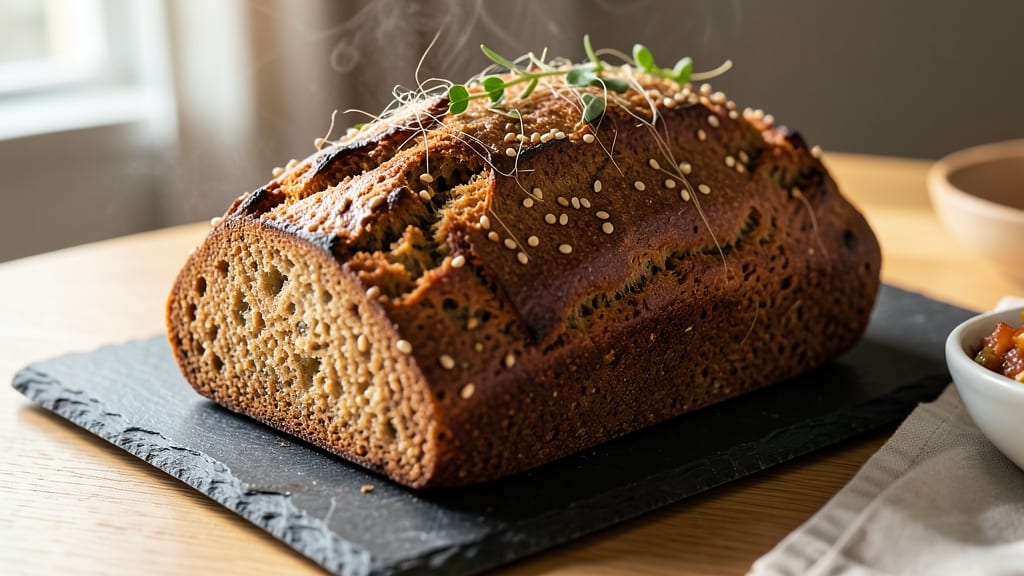
This gluten-free ancient grains bread transforms simple ingredients into a loaf with nutty depth and an airy crumb—no compromise on texture or flavor. 🌾 I developed it after years of perfecting gluten-free baking, using farro and millet for that satisfying crunch while keeping the interior light as cloud.
The secret lies in a blend of gluten-free flours that mimics traditional bread structure without the gluten. What makes this recipe stand out is its versatility—bake it as a classic sandwich loaf, toast it for crostini, or slice it for bruschetta.
The nutty flavors from the ancient grains pair beautifully with olive oil, balsamic, or even as a base for gluten-free toast. Unlike many gluten-free breads, this one stays fresh for days and reheats perfectly in the oven.
The dough comes together in just 15 minutes, then ferments overnight for maximum flavor development. No special equipment needed—just a mixing bowl and your hands. By the time it emerges from the oven, you’ll have a loaf that looks and tastes like traditional bread, just without the gluten.
Perfect for those with dietary restrictions who refuse to compromise on taste. Let’s get baking—your taste buds (and gluten-free friends) will thank you.
Ingredients for ancient grains bread recipe gluten free
Ancient grains and gluten-free flours blend for a bread with restaurant-quality texture.
| Ingredient | Amount | Notes |
|---|---|---|
| Farro 🌾 | ½ cup | Toasted for nutty depth |
| Millet 🌾 | ½ cup | Ground for fine texture |
| Brown Rice Flour 🌾 | 1 cup | Gluten-free base flour |
| Tapioca Starch 🌾 | ½ cup | For elasticity and rise |
| Psyllium Husk Powder 🌿 | 2 tbsp | Essential for structure |
| Active Dry Yeast 🍞 | 1 tsp | Freshly opened for best results |
| Extra-Virgin Olive Oil 🫒 | ½ cup | High-quality for flavor |
| Warm Water 💧 | 1 ½ cups | 105-110°F for yeast activation |
| Honey 🍯 | 2 tbsp | Feeds yeast and adds sweetness |
| Salt 🧂 | 1 ½ tsp | Diamond Crystal preferred |
| Apple Cider Vinegar 🍎 | 1 tbsp | Enhances flavor and rise |
| Sesame Seeds 🌻 | 1 tbsp | For topping and crunch |
| Sunflower Seeds 🌻 | 1 tbsp | For topping and texture |
The farro and millet are the heart of this bread—toast them first in a dry pan until golden for that deep nutty flavor. Bob’s Red Mill has great pre-ground options if you don’t want to grind them yourself, but whole grains give the best texture. For the flours, Bob’s Red Mill brown rice flour is my go-to because it’s finely milled and consistently gluten-free. Psyllium husk is non-negotiable here; it’s what gives this bread its structure and chew. If you can’t find psyllium husk powder, Metamucil works in a pinch—just measure carefully as it’s more potent.
No honey? Maple syrup or agave will work, but honey’s subtle floral notes really elevate the flavor. Short on sesame seeds? Poppy seeds or flaxseeds add a nice contrast. The yeast needs to be fresh—if it’s been sitting in your pantry for months, test it first in warm water with a pinch of sugar to see if it foams. For the water, filtered or spring water is best; tap water with strong chlorine can inhibit yeast activation. If your dough feels too sticky after mixing, add 1-2 tbsp more brown rice flour—it absorbs moisture well without altering flavor.
This dough ferments overnight, so plan ahead. Cover it with a damp towel and let it rise in a warm place—near the oven with the light on works perfectly. After baking, let the loaf cool completely on a wire rack before slicing. It stays fresh for 5-6 days wrapped in a clean kitchen towel, or you can freeze slices for up to 3 months. To reheat, wrap slices in foil and warm in a 350°F oven for 5-7 minutes—they’ll be warm and crispy, just like fresh bread.
Why You'll Love This Recipe
- No-Fuss Mix-In: The psyllium husk and tapioca starch do all the heavy lifting—no kneading, no waiting for dough to rise. Just toss the farro and millet into your food processor, pulse, and you’re halfway done. Honestly, I’ve made this while scrolling through emails.
- Nutty Earthy Crunch: That millet adds a toasty bite, while the farro brings chewy warmth—like a hug for your sandwich. Brown rice flour keeps it light, but the psyllium gives it that satisfying snap. (Yes, even on a Tuesday night.)
- Prep-Ahead Powerhouse: Slice it fresh or toast it for toast—this bread lasts a full week in the fridge, and freezes like a dream. I keep a loaf in my freezer for lazy mornings or last-minute charcuterie boards.
- Budget-Friendly Staple: Ancient grains might sound fancy, but farro and millet are cheaper than most bread ingredients. A single batch feeds my family for days, and the psyllium stretches the dough just enough to make it feel indulgent. My wallet thanks me.
Step-by-step instructions for ancient grains gluten-free bread
Here's how to craft a gluten-free loaf with nutty depth and perfect rise—no compromises.
👨🍳 Step 1: Toast and Grind the Ancient Grains
Preheat your oven to 350°F and spread the 0.5 cup farro and 0.5 cup millet on a baking sheet. Toast for 10-12 minutes until fragrant and lightly golden. Watch closely—they burn easily once they start to brown.
Transfer the toasted grains to a food processor and pulse until you achieve a fine, flour-like consistency. You want it to resemble the texture of all-purpose flour but with visible specks for that signature ancient grain crunch. This step develops the nutty flavors that make this bread special.
🍳 Step 2: Mix the Dry Ingredients
In a large mixing bowl, combine the toasted, ground grains with the 1 cup brown rice flour, 0.5 cup tapioca starch, 2 tbsp psyllium husk powder, and 1.5 tsp salt. Whisk vigorously for 2 minutes to ensure the psyllium husk powder fully disperses—this is crucial for the bread's structure.
Here's the thing—psyllium husk powder absorbs water like a sponge, creating that gluten-free elasticity. Don't skip the whisking; you'll see it transform from a powdery mix to a slightly sticky, cohesive blend. This blend is your gluten-free bread's backbone.
🍳 Step 3: Activate the Yeast and Combine Wet Ingredients
In a separate bowl, whisk together the 1.5 cups warm water (between 105-110°F—yeast-friendly but not hot), 2 tbsp honey, 1 tbsp apple cider vinegar, and 0.5 cup extra-virgin olive oil. Sprinkle the 1 tsp active dry yeast over the surface and let it sit for 5 minutes until foamy.
This warm water bath activates the yeast, which will later create those airy pockets in your bread. The honey and vinegar work together to feed the yeast while adding subtle sweetness and tang. The olive oil contributes rich flavor and tenderizes the crumb—don't skip this step.
🥘 Step 4: Combine and Let the Dough Rest
Gradually pour the wet ingredients into the dry mixture while whisking continuously. You'll notice the dough immediately transform into a thick, sticky batter. Let it rest for 10 minutes—this allows the psyllium husk to fully hydrate and the flour to absorb the liquid.
After resting, the dough should be smooth and slightly elastic. If it's too thick, add 1-2 tablespoons warm water to reach a spreadable consistency. This gluten-free dough behaves differently than wheat-based dough, so don't be surprised if it looks more like thick pancake batter than traditional bread dough.
🔥 Step 5: Shape, Proof, and Bake to Perfection
Preheat your oven to 375°F and line a loaf pan with parchment paper. Transfer the dough to the pan, spreading it evenly. Sprinkle the top with 1 tbsp sesame seeds and 1 tbsp sunflower seeds for texture and flavor.
Let the bread proof for 30-40 minutes until it rises about ½ inch above the pan edge. The seeds should be embedded slightly into the surface. Bake for 40-45 minutes until golden brown and the internal temperature reaches 205°F.
Here's my pro tip: Tap the loaf gently—it should sound hollow when done. Let it cool for 1 hour before slicing. The interior should be light and airy with pockets of steam, while the crust remains crisp. This bread keeps well for 3 days at room temperature or can be frozen for up to 3 months.
Pro Tips For Making Ancient Grains Bread Recipe Gluten Free
- Pre-soak the farro: I learned this the hard way—skipping the soak means your bread turns out dense and chewy. Toss the farro in warm water (about 1.5 cups per cup of grain) for at least 4 hours, or overnight if you’re like me and have time. The longer it sits, the lighter the crumb will be.
- Toast the millet first: This isn’t just about flavor—it’s about texture. Dry-toast the millet in a skillet over medium heat for 5-7 minutes until it smells nutty and fragrant. Cool it completely before grinding or mixing, or your dough will turn gummy. Trust me, your bread will thank you.
- Don’t rush the psyllium: The psyllium husk powder is your gluten substitute, but it needs time to work. Mix it with warm water (not hot) first—just enough to form a gel-like consistency—then let it sit for 10 minutes before adding it to the dough. Skimp here, and your bread will crumble like sad crackers.
- Use tapioca starch last: Add the tapioca starch after mixing the wet and dry ingredients, then fold it in gently with a spatula. This keeps it from absorbing too much moisture early, which guarantees a better rise and a softer interior. (Yes, even if you’re impatient like me.)
Best sauces and condiments for this ancient grains bread recipe gluten free
Olive Oil Drizzle
Finish your toasted bread slices with a generous drizzle of extra-virgin olive oil—I use Meadow Creek or California Gold for their rich, fruity notes. Warm the oil slightly (just 1 minute in a small pan) to enhance its aroma.
A 1 tbsp drizzle per slice adds moisture and brings out the nutty flavors of the ancient grains. 🫒
Balsamic Glaze
For a sweet-tangy contrast, pair your bread with a high-quality aged balsamic glaze. I recommend Balsamic Vinegar of Modena from Italy—simmer ¼ cup in a small saucepan until reduced by half.
The caramelized glaze clings beautifully to the crust, balancing the bread’s earthy tones. Drizzle lightly before serving to avoid sogginess.
Whole-Grain Mustard
Skip the mayo and try a Dijon-style mustard like Maille or Amora for sandwiches. Mix 1 tbsp with a pinch of honey and 1 tsp apple cider vinegar for a tangy, slightly sweet spread.
The mustard’s sharpness cuts through the bread’s nuttiness, while the vinegar ties it all together. Perfect for gluten-free charcuterie boards!
Garlic-Herb Compote
Sauté 3 minced garlic cloves in 2 tbsp olive oil until golden, then add ¼ cup chopped fresh herbs (parsley, thyme, or rosemary). Deglaze with 2 tbsp white wine or broth and simmer until thickened.
This aromatic compote elevates toasted bread like a gourmet crostini topping. Store leftovers in the fridge for up to 5 days.
Spicy Harissa
For heat lovers, blend 2 tbsp harissa paste (I use Bella Italia) with 1 tbsp tahini and a splash of lemon juice. Spread on toasted slices and top with crumbled feta or avocado.
The smoky, spicy kick complements the bread’s earthy crunch perfectly. Adjust spice levels by adding 1-2 tbsp plain yogurt if needed.
Sweet Almond Butter
Spread 2 tbsp creamy almond butter (like Marukyu) on warm bread slices and drizzle with honey. Top with sliced banana or apple for a dessert-like treat. The nutty butter and honey create a satisfying sweetness that pairs beautifully with the bread’s ancient grain depth. 🍯
Nutrition facts
Frequently asked questions
Can I substitute any of the ancient grains in this recipe? Swap farro and millet with equal parts buckwheat, sorghum, or quinoa (ground). For extra crunch, try toasted amaranth—it adds a peppery note. Just
Why does my gluten-free dough look nothing like regular bread dough?
That's normal! Gluten-free dough relies on psyllium husk and starches for structure, so it's thicker and stickier—more like pancake batter than traditional dough. The magic happens during baking when these ingredients create that airy crumb. Don't be tempted to add extra flour during mixing, or you'll compromise the texture.
How do I know when my gluten-free bread is fully baked?
Look for three signs: the internal temperature should reach 205°F, the crust should be golden brown, and it should sound hollow when tapped gently. Let it cool completely before slicing—this prevents a gummy texture. If the top browns too quickly, tent with foil after 20 minutes of baking.
Can I make this bread without psyllium husk?
While possible, it won't have the same structure. Replace psyllium with 1 tbsp xanthan gum plus 1 tbsp extra tapioca starch, but expect a denser crumb. For best results, use psyllium—it's what gives this bread its satisfying chew. If you're sensitive to fiber, try 1 tbsp ground flaxseed as a partial substitute (use half the amount).
How can I make this bread more flavorful?
Boost the flavor by adding 1 tsp dried rosemary or thyme to the dry ingredients, or infuse the olive oil with garlic before using. For a sweeter loaf, replace 1 tbsp honey with maple syrup. The seeds on top can also be swapped for everything bagel seasoning or crushed walnuts for extra depth.