
Desserts
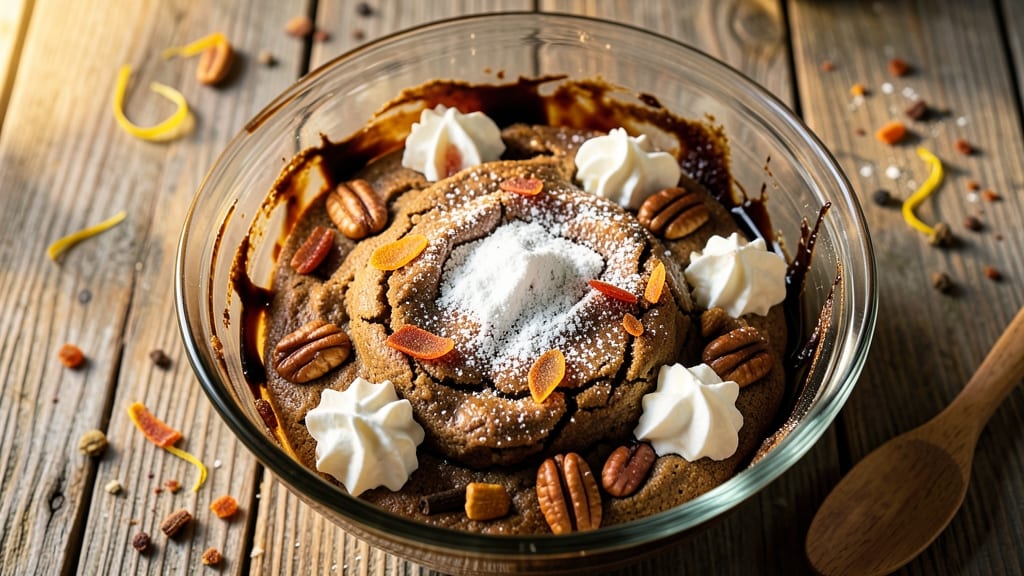
This Ann Clark gingerbread cookie recipe delivers the perfect balance of spiced molasses warmth and crispy edges—just like the cookies that made her baking famous. The secret lies in the molasses and ginger blend, which creates that signature deep, aromatic flavor while maintaining a tender yet firm texture.
I've baked these dozens of times, and they always disappear within hours of coming out of the oven.
The dough comes together in under 15 minutes, with a resting period that develops flavor and makes rolling and cutting shapes effortless.
Ann Clark's method emphasizes traditional techniques: rolling the dough to ¼-inch thickness, cutting shapes with a cookie cutter, and baking until edges are golden while centers stay soft. The molasses adds moisture, ensuring cookies stay chewy even after cooling.
What makes these cookies truly special is their dual texture—crispy edges that shatter slightly with each bite, paired with a tender, spiced center that melts in your mouth.
The warm spices (ginger, cinnamon, cloves) create a cozy, festive aroma that fills your kitchen, while the molasses gives them that rich, caramel-like depth that sets them apart from ordinary gingerbread.
Once baked, these cookies are best enjoyed fresh but can be stored in an airtight container for up to one week—though they rarely last that long. For extra indulgence, drizzle with a simple vanilla glaze or dust with powdered sugar. Let's get baking!
Ingredients for ann clark gingerbread cookie
These 13 ingredients create the legendary Ann Clark gingerbread cookies with perfect spiced molasses flavor.
| Ingredient | Amount | Notes |
|---|---|---|
| All-Purpose Flour 🌾 | 4 cups | Sifted for even texture |
| Unsalted Butter 🧈 | 1 cup | Cold, cubed for easier mixing |
| Dark Molasses 🍯 | 1 cup | High-quality, not blackstrap |
| Granulated Sugar 🍚 | 1 cup | White sugar preferred |
| Brown Sugar 🍚 | ½ cup | Packed, light or dark |
| Large Eggs 🥚 | 2 whole | Room temperature for blending |
| Ground Ginger 🌿 | 2 tbsp | Freshly ground preferred |
| Ground Cinnamon 🌶️ | 2 tsp | High-quality for flavor |
| Ground Cloves 🌿 | 1 tsp | Freshly ground for potency |
| Ground Nutmeg 🌶️ | ½ tsp | Freshly grated preferred |
| Salt 🧂 | 1 tsp | Kosher or sea salt |
| Vanilla Extract 🍯 | 1 tsp | Pure alcohol-based preferred |
| Baking Soda 🧪 | 1 tsp | Freshly opened for potency |
The molasses is the soul of these cookies—Goya or Brer Rabbit are my go-tos, but any good-quality dark molasses works. The ginger? Freshly ground makes a world of difference, but if you're using pre-ground, make sure it's labeled 'freshly ground' on the package. For flour, King Arthur or Gold Medal are my favorites—they give that tender crumb. Butter should be cold when you mix it in, or the dough gets too soft to handle. I always buy my spices from Penzeys or the bulk section at Whole Foods—they stay potent much longer.
No molasses? Substitute with ½ cup maple syrup plus ½ cup brown sugar, but the flavor won't be quite the same. Running out of brown sugar? White sugar works at the same amount, though it'll be slightly less moist. Fresh ginger root? Grate it and use about 1 tbsp ground equivalent. For vanilla, imitation won't cut it—look for pure extract. The baking soda is non-negotiable—it's what gives these cookies that signature lift. If you're gluten-free, substitute with a 1:1 gluten-free flour blend, but expect a slightly denser texture. The spices are key here, so don't skimp—measure them carefully.
Once baked, these cookies stay fresh for about one week in an airtight container, though they rarely last that long. For extra indulgence, I like to drizzle them with a simple vanilla glaze (powdered sugar + milk + vanilla). If you want to make ahead, shape the dough, wrap in plastic, and refrigerate for up to 48 hours. The dough can also be frozen for 3 months—just thaw before baking. Store-bought molasses? Transfer to a glass jar to keep it fresh longer.
Why You'll Love This Recipe
- Here’s what sold me: a single batch costs less than takeout but feels like a treat. Brown sugar and molasses are cheap staples, and the butter goes a long way—perfect for when you want something special without breaking the bank.
- No Mixer Needed: I swear by this recipe when my mixer’s on vacation. The dough comes together with just a fork and your hands—no stand mixer, no food processor, just good old-fashioned elbow grease (and maybe a little sigh of relief).
- Molasses Magic: That deep, robust flavor from dark molasses? It’s what makes these cookies sing. One bite and you’ll taste why Ann Clark’s version stands out—rich, chewy, and just sweet enough without being cloying.
- Holiday or Snack: Between us, these are my go-to for Christmas cookies and my 3 p.m. sugar cravings. The same dough works for festive gingerbread houses or a quick batch for the office potluck—no fuss, all reward.
Step-by-step instructions for Ann Clark's signature gingerbread cookies
Here's how to make these legendary molasses-spiced cookies with perfect crunch.
Mix Dry Ingredients for Even Texture
In a large bowl, whisk together the 4 cups all-purpose flour, 2 tbsp ground ginger, 2 tsp ground cinnamon, 1 tsp ground cloves, ½ tsp ground nutmeg, and 1 tsp salt. I like to use a whisk for this step to break up any flour clumps and ensure even distribution of the spices throughout. Sift the flour first if you have time—this prevents dense pockets in your cookies.
Set the dry mixture aside. The spices are what give these cookies their signature warm, molasses-kissed flavor, so don't skimp here. If you're using freshly ground spices, you'll notice an even more potent aroma—this is where the magic happens.
Cream Butter and Sugars Until Light and Fluffy
In a separate large mixing bowl, combine the 1 cup unsalted butter (cold, cubed), 1 cup granulated sugar, and ½ cup packed brown sugar. Using a stand mixer fitted with the paddle attachment, beat on medium speed for 3-4 minutes until the mixture is light and fluffy, with no visible streaks of butter remaining.
This creaming process incorporates air into the dough, which creates those beautiful crackly edges and helps the cookies hold their shape. If you're mixing by hand, use a sturdy wooden spoon and work for about 5 minutes—your arms will thank you later. The butter should look pale and nearly doubled in volume by the end.
Add Molasses, Eggs, and Vanilla for Rich Flavor
Pour in the 1 cup dark molasses and mix on low speed for 30 seconds to combine. The molasses is thick, so don't rush this step—you want it fully incorporated without making a mess. Add the 2 whole large eggs (room temperature) one at a time, mixing just until each is fully combined.
Finally, stir in the 1 tsp vanilla extract. Here's the thing—molasses already has a deep, complex flavor, but the vanilla adds a subtle sweetness that balances everything. Mix on low speed for another 30 seconds to ensure all ingredients are fully combined before adding the dry mixture.
Combine Wet and Dry Ingredients Gently
With the mixer on low speed, gradually add the dry ingredients to the wet mixture. Mix just until combined—about 30-45 seconds. You'll see some flour streaks remain, and that's perfect. Overmixing develops gluten, which makes cookies tough instead of tender.
Once fully incorporated, fold in the 1 tsp baking soda using a silicone spatula. The baking soda reacts with the molasses and other acids in the dough, creating lift and that signature gingerbread flavor. Don't skip this step—it's what makes these cookies rise properly in the oven.
Chill the Dough for Perfect Texture
Cover the bowl with plastic wrap and refrigerate for at least 2 hours (overnight works even better). Chilling the dough does three important things: it firms up the butter so the cookies hold their shape, it allows the flour to fully hydrate for better texture, and it deepens the flavors.
I know it's tempting to skip this step, but trust me—chilled dough makes all the difference. The cookies will spread less in the oven, giving you that perfect balance of crispy edges and soft centers. Plus, the spices have more time to infuse their magic into the dough.
Pro Tips For Making Ann Clark Gingerbread Cookie
- CHILL THE DOUGH: If you mix and bake these cookies right away, they’ll spread like crazy and turn out flat. Wrap the dough in plastic and refrigerate it for at least 2 hours—overnight is even better. The cold slows down the molasses, which keeps the cookies thick and chewy, not sad and pancake-like.
- WEIGH THE FLOUR: Scooping flour from the bag into cups is a disaster waiting to happen. Use a kitchen scale and measure by weight—1 cup of all-purpose flour is not 120 grams every time. For Ann Clark’s recipe, aim for 225 grams. Packing the flour loosely into the cup (then leveling it off) gets you closer to the right texture without making the dough too dense.
- DON’T SKIP THE MOLASSES TEST: Dark molasses varies wildly in sweetness and thickness. Taste it first—if it’s bitter, mix it with a little brown sugar (about 1 tbsp per ½ cup molasses) to balance the flavor. Too thin? Simmer it in a saucepan for 5–10 minutes to thicken. Skipping this step means your cookies might taste like licorice or fall apart before they crisp.
- BAKE IN BATCHES: This recipe makes a lot of dough, and the oven gets crowded fast. Bake only 12 cookies at a time on the middle rack, leaving space between them. Overloading the pan causes uneven baking—edges done, centers undercooked. If your sheet’s full, let the first batch cool slightly before rotating the tray for even golden-brown cookies.
Regional styles of this dish
Southern U.S. Style
In the Southern United States, these gingerbread cookies often get a richer, more decadent twist. I like to add ½ cup chopped pecans to the dough before baking for a Southern-inspired crunch. The pecans caramelize beautifully in the oven, adding a buttery contrast to the spiced molasses flavor.
For extra indulgence, brush the baked cookies with a simple egg wash (1 egg yolk + 1 tbsp water) before baking—they develop a gorgeous golden sheen. 🌟
Another Southern classic is to roll the dough slightly thicker (¼ to ⅓ inch) and bake at 325°F for 10-12 minutes—this creates a heartier, almost cake-like texture that's perfect for holiday gatherings.
Serve with a cup of sweet tea or hot spiced cider for the full Southern experience.
Midwest Molasses Twist
The Midwest takes these cookies in a cozy, spice-forward direction. Here, I often see extra molasses (up to 1¼ cups) added for a deeper, almost caramel-like flavor.
The Midwest also loves to dust the baked cookies with a mix of powdered sugar and ground cinnamon (about 2 tbsp each) for an extra layer of warmth. This variation is especially popular during winter holidays, where the spices feel like a hug in cookie form. 💛
For a true Midwest touch, bake these cookies in a cast iron skillet at 350°F for 12-14 minutes. The cast iron adds a subtle smokiness that pairs perfectly with the molasses.
I also like to add ½ tsp black pepper to the dough—it might sound unusual, but it balances the sweetness and adds depth that Midwestern bakers swear by.
New England Crunch
Up in New England, these cookies take on a lighter, crispier texture. The trick? Rolling the dough thinner (⅛ inch thick) and baking on the middle rack for 8-10 minutes at 375°F. This creates a delicate, almost lace-like cookie with crisp edges that shatter delightfully.
New England bakers also love to add a pinch of cardamom (¼ tsp) to the spice mix for a bright, citrusy note that cuts through the molasses richness. ✨
For serving, New Englanders often pair these with a vanilla bean ice cream or a dollop of whipped cream. The contrast between the warm spices and cool dairy is a match made in heaven.
I've also seen these cookies shaped into wreaths with a small cookie cutter and decorated with red and green icing for festive holiday tables.
Pacific Northwest Adaptation
The Pacific Northwest puts its own spin on these cookies by incorporating local ingredients like maple syrup (substituting ¼ cup for molasses) and crushed hazelnuts (¼ cup) for a nutty, earthy twist. The cooler climate also means these cookies stay fresh longer, making them perfect for holiday baking ahead.
I like to bake them at 325°F for 14-16 minutes to ensure a slower bake that enhances the maple flavor. 🌲
For a true PNW touch, add a dash of orange zest (from 1 small orange) to the dough—it brightens the spices and adds a subtle citrus note that complements the maple.
These cookies are often served with a cup of chai tea or a glass of local apple cider during the holiday season. The combination of maple, hazelnuts, and warm spices is pure comfort food.
Nutrition facts
Frequently asked questions
Why does the dough need to chill for 2 hours?
Chilling the dough is crucial for two reasons: it firms up the butter so cookies hold their shape (no sad flat cookies!), and it lets the spices fully infuse for deeper flavor. Skipping this step often results in cookies that spread too much and lose their signature texture.
Can I substitute molasses with something else?
For best results, stick with molasses—but if you're out, mix ½ cup maple syrup + ½ cup brown sugar. The flavor won't be identical, but it'll still be delicious. Blackstrap molasses works too, though it's stronger and may make cookies denser.
How do I get perfectly crisp edges without burning centers?
Use a light-colored baking sheet and rotate pans halfway through baking at 350°F for 8-10 minutes. The edges crisp when they're golden, while centers should still look slightly soft. For extra insurance, bake on the middle rack.
Can I make these cookies gluten-free?
Yes! Replace all-purpose flour with a 1:1 gluten-free flour blend (like Bob's Red Mill). Add ½ tsp xanthan gum if your blend doesn't include it, and expect cookies to be slightly denser. The molasses and spices still shine through beautifully.
How should I store leftover cookies?
Keep them in an airtight container at room temperature for up to 1 week. For longer storage, freeze shaped dough (up to 3 months) or baked cookies (up to 2 months). Reheat baked cookies for 10 seconds in the microwave to restore crispness.