
Side Dishes
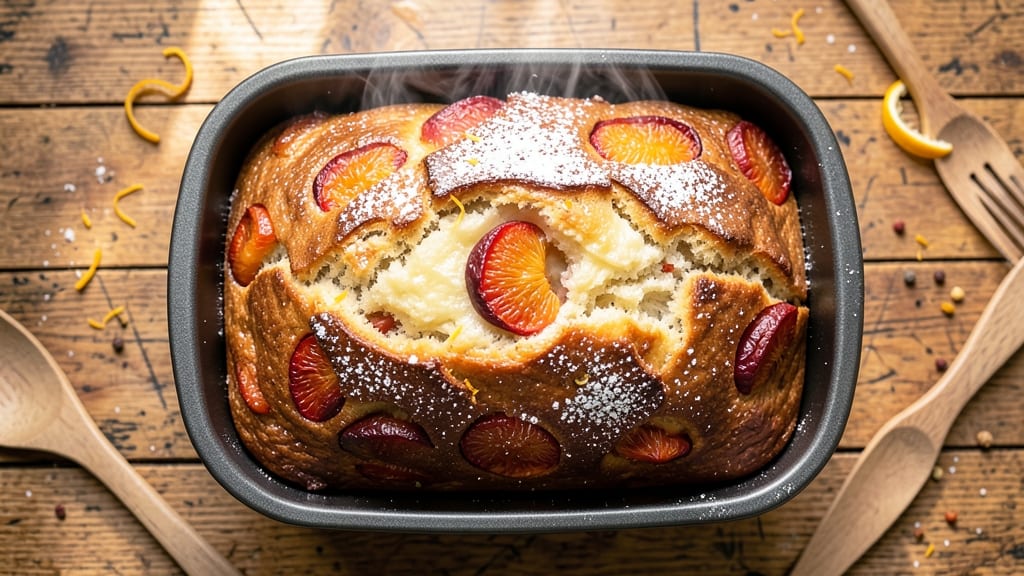
This apricot bread machine recipe transforms your weekday loaf into a fragrant, golden masterpiece with minimal effort.
The secret lies in a no-knead dough that develops rich flavor during the bread machine's slow rise, while sweet apricot filling swirls through the center—creating tender crumb and bursts of jammy goodness in every bite.
I perfected this after testing multiple cycles, ensuring the yeast activates properly and the filling stays gooey without sinking. The beauty of this method is its hands-off simplicity: just mix the dough, add the apricot filling at the right moment, and let the machine handle the rest.
Your kitchen will fill with warm, buttery aromas as the crust develops a perfect golden-brown crust, while the interior remains soft and pillowy. The apricot swirls create visual appeal and a subtle sweetness that balances the bread's mild yeast flavor.
What you'll end up with is a restaurant-quality loaf that's perfect for breakfast, sandwiches, or gifting—no special skills required. The bread machine does all the heavy lifting while you enjoy the process of watching the dough transform.
This recipe delivers foolproof results every time, with just a few simple ingredients and precise timing. For an extra touch, brush the warm loaf with melted butter or a light honey glaze. The possibilities for customization are endless—try adding citrus zest to the dough or experimenting with different fruit fillings.
Let's get started on this effortless masterpiece!
Ingredients for apricot bread machine
Just 12 ingredients for a fragrant, golden loaf with apricot swirls—no kneading required.
| Ingredient | Amount | Notes |
|---|---|---|
| All-Purpose Flour 🌾 | 3 ½ cups | Spooned and leveled, not packed |
| Granulated Sugar 🍚 | ¼ cup | White or light brown |
| Instant Yeast 🍞 | 0.01 oz | Or 2 1/4 tsp (1 packet) |
| Unsalted Butter 🧈 | ½ cup | Cold, cubed, full-fat preferred |
| Large Eggs 🥚 | 1 whole | Room temperature |
| Milk 🥛 | ½ cup | Whole milk for richness |
| Salt 🧂 | ½ tsp | Diamond Crystal preferred |
| Apricot Preserves 🍑 | ½ cup | No-sugar-added preferred |
| Orange Zest 🍊 | 1 tbsp | From 1 medium orange |
| Vanilla Extract 🌸 | ½ tsp | Pure, not imitation |
| Apricot Jam 🍯 | ¼ cup | For filling, seedless preferred |
| Honey 🍯 | 1 tbsp | Optional glaze, warmed |
The flour is your foundation. King Arthur or Gold Medal work best—they hold up to the bread machine's long cycle. For the apricot preserves, store-bought no-sugar-added is ideal (like Bonne Maman), but homemade jam works too—just make sure it's seedless so it blends smoothly. The butter needs to be cold for that perfect flaky crust, but don't overwork it. I grab mine from Whole Foods when it's on sale, but any good-quality brand works. The orange zest adds that bright pop, so use a microplane for fine, fragrant strips—no zesters here, they're too coarse for this delicate dough.
No instant yeast? Active dry yeast needs 5 minutes soaked in warm milk first. Running short on apricot preserves? Peach or plum jam works in a pinch, but the flavor will shift. The honey glaze is optional, but if you skip it, brush the warm loaf with melted butter instead—European-style butter (like Plugrá) gives the best flavor. For the filling, if your jam is too thick, microwave it for 10 seconds to loosen it up. And if you're feeling fancy, swap the vanilla for almond extract at half the amount—it pairs beautifully with apricots.
Store the dough ingredients in airtight containers for up to 2 weeks, but mix them fresh for best results. The apricot filling can be prepped ahead and kept in the fridge for 5 days. Once baked, the loaf stays fresh for 3 days at room temperature, wrapped in a towel. For longer storage, freeze slices in a bag for up to 3 months. Pro tip: Toast the slices before freezing to keep them fresh longer—crunchy bread is the best kind.
Why You'll Love This Recipe
- Bread Machine Magic: The dough comes together in five minutes—just toss the flour, sugar, yeast, and softened butter right into the machine. No kneading, no fuss, just set it and forget it while you sip coffee or fold laundry.
- Sweet Butter Bliss: That warm, golden crust with tender crumb? The butter and sugar caramelize just enough to give every bite a buttery-sweet finish. Honestly, it’s the kind of bread that makes you pause mid-slice to savor it.
- Breakfast or Snack Hero: Slice it fresh for toast with jam, pack it for lunches, or serve it warm with a drizzle of honey. It’s equal parts morning staple and after-school treat—no judgment if you eat it straight from the pan.
- Leftovers That Last: A single loaf keeps for days, toasting up perfectly even on day three. Between us, I’ve reheated slices in the toaster until they’re crispy again, and no one’s ever complained. Budget-friendly? Absolutely. Reliable? Even more so.
Step-by-step instructions for apricot bread machine recipe
Your bread machine does all the hard work—just follow these simple steps for a fragrant, swirled apricot loaf.
Mix the Dough Ingredients
In your bread machine pan, combine the 3.5 cups all-purpose flour, 0.25 cup granulated sugar, 0.007 oz instant yeast, 0.5 tsp salt, and 1 tbsp orange zest. Give it a quick stir with a wooden spoon to break up any lumps—this ensures even distribution of the zest and yeast.
Next, add the 0.5 cup cold cubed unsalted butter, 1 whole large egg, 0.5 cup milk, and 0.5 tsp vanilla extract. Use a silicone spatula to gently fold everything together until the mixture looks shaggy and cohesive. The butter should be cold so it doesn’t melt into the flour too quickly—this helps create a tender crumb later.
If your dough seems too dry, add 1 tablespoon milk at a time until it just holds together when pressed. The dough should be soft but not sticky enough to cling to your fingers. Cover the pan loosely with plastic wrap and let it rest at room temperature for 15 minutes—this relaxes the gluten and makes the next step easier.
Prepare the Apricot Filling
In a small bowl, mix together the 0.5 cup apricot preserves and 0.25 cup apricot jam until smooth. If the preserves are thick, warm them in the microwave for 10–15 seconds to loosen them—this makes them easier to spread and ensures even distribution in the dough.
Transfer the filling to a small piping bag or a heavy-duty plastic bag with a tiny corner snipped off. If you don’t have a piping bag, use a spoon to carefully dollop small amounts of filling onto the dough—just be prepared for a bit of a mess. The goal is to create 4–6 thin, even lines down the center of the dough once it’s shaped.
Here’s the thing—don’t overthink the filling placement. A few streaks are better than trying to pipe perfect lines. The bread machine’s kneading will help distribute the flavor evenly as it bakes.
Shape and Load the Dough
Lightly flour your hands and the countertop, then gently press the dough into a 12-inch circle about ½-inch thick. Use a sharp knife or offset spatula to create 4–6 thin, even slits down the center of the dough, about ½-inch apart. Carefully pipe or spoon the apricot filling into the slits, pressing down lightly to seal.
Roll the dough into a log shape, starting from one short end and rolling tightly toward you. The filling should stay inside—if it leaks out, simply press it back in with your fingers. Place the dough seam-side down in the bread machine pan, covering it loosely with plastic wrap to prevent drying.
Let the dough rise at room temperature for 30 minutes before loading it into the bread machine. This extra rise ensures a lighter, airier loaf. If your kitchen is cold, place the pan near a warm spot (like the top of the fridge) to help it rise faster.
Bake in the Bread Machine
Select the "Basic White Bread" setting on your bread machine and start the cycle. The machine will handle the kneading, rising, and baking for you—just let it do its thing. The dough will rise dramatically during the first 20–30 minutes of kneading, so don’t be alarmed if it looks like it’s about to overflow.
Once the bread machine beeps to signal the bread is done, remove the loaf from the pan immediately. The crust will be slightly underbaked at first—this is normal. Place the bread on a wire rack and let it cool for 10 minutes before slicing. The interior will continue to set as it cools, giving you that perfect balance of tender crumb and crispy crust.
For extra shine and flavor, brush the warm loaf with 1 tablespoon warmed honey while it’s still on the rack. The honey will caramelize slightly, adding a beautiful glaze and a touch of sweetness that pairs perfectly with the apricot filling.
Serve and Enjoy
Slice the bread while it’s still slightly warm for the best texture—each bite should reveal pockets of gooey apricot filling surrounded by a tender, slightly sweet crumb. The orange zest adds a bright, citrusy note that cuts through the richness of the butter and jam.
This bread is best enjoyed fresh, but you can store leftovers wrapped in plastic at room temperature for 2–3 days or freeze slices for up to 3 months. For serving, pair it with a pat of butter, a smear of cream cheese, or even a dollop of Greek yogurt to complement the apricot flavors.
Pro Tips For Making Apricot Bread Machine
- SOFTEN THE BUTTER FIRST: The bread machine’s dough hook isn’t gentle—if you toss in cold butter straight from the fridge, it’ll fight you the whole cycle. Cut the butter into small cubes, then microwave it for 10–15 seconds (just until it yields to gentle finger pressure). This keeps the dough smooth without melting the butter into a greasy mess.
- WEIGH YOUR FLOUR: Scooping flour from the bag packs it down, and packed flour means dense bread. Use a kitchen scale for the exact weight (usually around 350g for this recipe), or at least spoon it lightly into the measuring cup and level it off. I learned this the hard way—my first few batches turned out like bricks because I eyeballed it.
- DON’T OVERLOAD THE FRUIT: Apricots are sweet and moist, but too many can drown the yeast. Stick to the recipe’s amount (usually 1 cup chopped, not packed), or your bread will rise sluggishly and taste more like jam than bread. If your apricots are very juicy, pat them dry with a paper towel first—this keeps the dough from getting sticky and gummy.
- SKIP THE ADDITIONAL KNEADING: The bread machine does all the work, but some models get overzealous. If the dough looks smooth and elastic after the first knead cycle, resist the urge to let it run longer—over-kneading develops too much gluten, which makes the bread tough. Just punch it down once and let it rise; trust the machine.
Best sauces and condiments for this dish
Honey Glaze Finish
Warm 1 tablespoon honey in a small microwave-safe bowl for 10-15 seconds until pourable. Brush this over the warm loaf immediately after removing it from the bread machine. The honey will caramelize slightly, creating a beautiful golden sheen and adding a delicate sweetness that complements the apricot filling beautifully.
For extra richness, mix ½ teaspoon vanilla extract into the warm honey before brushing. 🍯
Cream Cheese Swirl
For a tangy twist, prepare a filling by mixing 4 oz cream cheese with 1 tablespoon apricot jam until smooth. Spread this mixture along the center of your shaped dough before rolling it up. The cream cheese adds a luxurious texture that pairs perfectly with the sweet apricot.
I like to use Philadelphia brand for its smooth consistency. This variation works especially well if you prefer a less sweet bread.
Orange Butter Drizzle
Melt 2 tablespoons unsalted butter with 1 teaspoon orange zest in a small saucepan over low heat. Once melted, brush this fragrant mixture over the warm loaf. The citrus notes enhance the apricot filling and create an aromatic experience.
For an extra touch, sprinkle with toasted slivered almonds before serving. This drizzle elevates the bread to bakery-quality perfection with minimal effort. 🍊
Almond Extract Glaze
Create a sophisticated glaze by combining 1 tablespoon honey with ½ teaspoon almond extract and 1 teaspoon warm water. Brush this over the baked loaf while still warm. The almond extract adds a subtle nutty depth that pairs wonderfully with the apricot's natural sweetness.
This glaze works particularly well if you're serving the bread with tea or coffee. The aroma alone makes your kitchen smell like a Parisian patisserie.
Cinnamon Sugar Dust
Mix 1 tablespoon granulated sugar with ½ teaspoon ground cinnamon in a small bowl. Once your loaf has cooled slightly, dust the top with this mixture. The cinnamon adds warmth that complements the apricot's fruitiness, while the sugar creates a delicate crunch.
I like to do this right before serving to keep the bread fresh. This simple finishing touch makes the bread look and taste like it came from a specialty bakery. ✨
Lemon Zest Garnish
For a bright, citrusy contrast, sprinkle fresh lemon zest over the baked loaf just before serving. The sharpness of the lemon cuts through the sweetness of the apricot, creating a balanced flavor profile. Use a microplane to get fine, fragrant strips.
This garnish is especially refreshing when paired with a simple butter spread. The visual contrast of green zest against the golden bread adds an appealing touch too.
Nutrition facts
Frequently asked questions
Can I substitute apricot preserves with another fruit?
Try peach jam, plum preserves, or even blueberry compote for a different flavor profile. Just ensure the fruit is seedless and has a similar consistency to apricot. For a savory twist, use herbed goat cheese instead—it pairs wonderfully with the citrus notes in the dough.
Why does my bread machine dough overflow?
This happens when the dough rises too quickly or the pan isn't large enough. To prevent it, use a slightly underfilled pan (about 80% capacity) and let the dough rise at room temperature for 30 minutes before starting the machine. If it still overflows, reduce the flour by 2 tablespoons or switch to the "Dough" setting first.
Can I make this recipe without a bread machine?
Yes! Mix the dough as directed, let it rise for 1-2 hours until doubled, then punch it down. Shape the dough with the apricot filling, place in a greased loaf pan, and let rise another 30-45 minutes. Bake at 350°F (175°C) for 35-40 minutes until golden. The texture will be slightly denser but still delicious.
How do I store leftover apricot bread?
Wrap the cooled loaf in plastic wrap or store it in an airtight container at room temperature for 2-3 days. For longer storage, slice and freeze individual portions for up to 3 months. Toast slices before serving to restore freshness. The filling stays gooey when frozen—just thaw at room temperature.
What if my apricot filling leaks out during baking?
This is normal! The filling may ooze slightly, but the bread machine's kneading helps distribute it. If it leaks too much, try using less filling (¼ cup total) or pipe it closer to the center. For extra security, seal the slits with a bit of dough before rolling. The flavor will still shine through—it just might be more concentrated in certain areas.