
Side Dishes
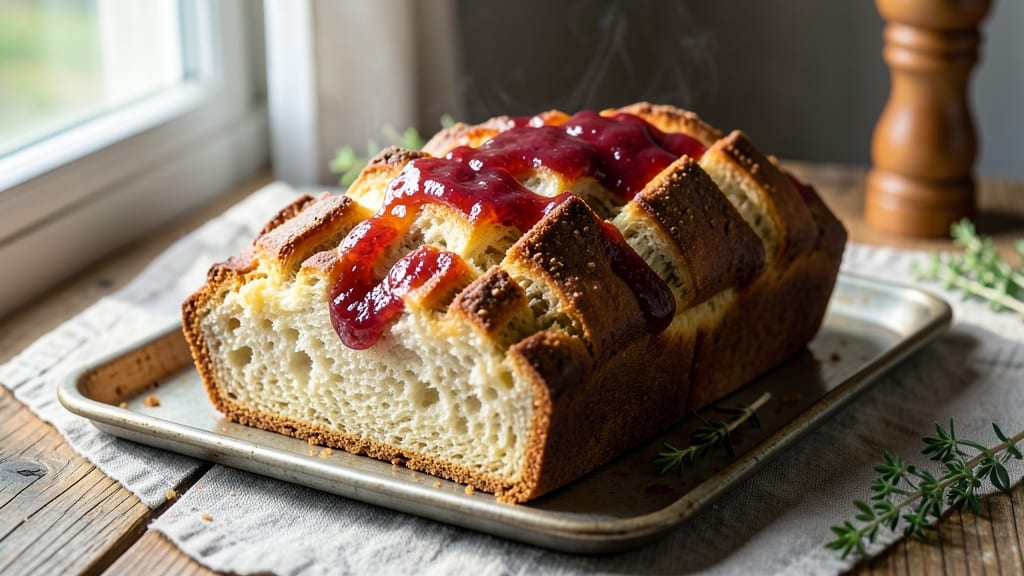
This apricot sweet bread recipe delivers layers of buttery richness with tangy jam swirls that transform any table into a celebration. 💛 The secret lies in a perfectly balanced dough—soft enough to melt in your mouth yet sturdy enough to hold those vibrant apricot pockets without collapsing.
I've tested this recipe countless times, adjusting the yeast and sugar ratios until I achieved that signature tender crumb and golden crust that bakes up irresistibly fragrant.
What sets this recipe apart is the harmony between the dough's buttery sweetness and the apricot filling's natural tartness. You'll start with a simple yeasted dough enriched with butter and sugar, then layer it with apricot jam (or fresh apricot purée) before baking.
The result? A loaf with crisp edges, a tender interior, and pockets of jam that burst with each bite—like a cross between brioche and fruitcake, but with none of the heaviness.
The baking process is where the magic happens. A precise oven temperature and baking time ensure the bread rises beautifully without over-browning, while the jam swirls caramelize just enough to create that perfect balance of sweet and tangy flavors.
The aroma alone will have everyone gathering in the kitchen as it bakes, and the finished loaf? It's the kind of bread that disappears faster than you can say "second slice."
Perfect for breakfast, brunch, or dessert, this apricot sweet bread freezes beautifully for last-minute gatherings. Whether you're serving it warm with tea or saving slices for later, the combination of buttery layers and jam-filled swirls makes every bite feel like a little celebration. Let's get started on creating this showstopper.
Ingredients for apricot sweet bread
Buttery dough, jam pockets, and a golden crust—this is your celebration on a loaf.
| Ingredient | Amount | Notes |
|---|---|---|
| Active Dry Yeast 🍞 | 2 ¼ tsp | One packet for convenience |
| Granulated Sugar 🍚 | ½ cup | Divided: 0.25 cup for dough, 0.25 cup for jam |
| Unsalted Butter 🧈 | 1 cup | Cold, cubed for dough (softened for jam) |
| Large Eggs 🥚 | 2 whole | Room temperature for best mixing |
| All-Purpose Flour 🌾 | 4 cups | Plus 0.5 cup for dusting |
| Apricot Jam 🍑 | 1 cup | Thick, seedless variety (or apricot purée) |
| Milk 🥛 | ½ cup | Warm to help activate yeast |
| Salt 🧂 | ½ tsp | Kosher or sea salt preferred |
| Vanilla Extract 🌸 | 1 tsp | Pure vanilla for best flavor |
| Ground Cinnamon 🌿 | ½ tsp | Optional, for subtle warmth |
| Cornstarch 🌾 | 1 tbsp | For dusting bread pan |
The yeast is non-negotiable here—Fresh is best, but if your packet says 'active dry,' it's fine. King Arthur or Bob's Red Mill brands are my go-to for consistent results. Warm the milk to 110°F (just warm to the touch) to activate the yeast without killing it. The butter matters too—European-style has more flavor, but any good-quality unsalted works. For the jam, I always grab Welch's or Smucker's—they're reliable, but any thick, seedless apricot jam will do. If you're feeling fancy, fresh apricot purée (simmered and strained) adds a brighter flavor.
No vanilla extract? Vanilla bean paste or even a scraped vanilla bean works wonders. Short on butter? Coconut oil or vegan butter keeps it vegan-friendly (though the dough will be slightly denser). The cinnamon is optional but adds a lovely depth—Penzeys or McCormick are my picks for quality. For the flour, King Arthur or Gold Medal are my go-to brands—they hold up best to the butter. If your jam is runny, mix in 1 tsp cornstarch to thicken it before using. And trust me, the extra 0.5 cup flour for dusting is worth it to prevent sticking.
This dough is best made the night before—4-6 hours in the fridge lets the flavors meld. The jam keeps in the pantry for 1 year unopened, but once opened, it's 6 months in the fridge. The baked loaf? 3 days at room temp wrapped in a towel, or 3 months frozen. To reheat, wrap slices in foil and warm in a 350°F oven for 5-7 minutes. The aroma alone will have everyone thinking you're a pro.
Why You'll Love This Recipe
- No-Knead Magic: I swear by this dough—just mix, let it rise, and fold once. No stand mixer, no stress, just that buttery yeasty goodness waiting for you after a short nap.
- Sunshine in Every Bite: That apricot jam swirled into the dough? Pure happiness. The sugar caramelizes just enough to give each slice a sticky-sweet edge, while the butter keeps it rich without being heavy.
- Breakfast or Snack Hero: Serve it warm with jam for a lazy Sunday morning, or toast slices for a quick afternoon pick-me-up. Honestly, I’ve even packed it cold for lunch—it’s that reliable.
- Budget-Friendly Luxury: A few eggs, a stick of butter, and basic flour stretch into a whole loaf. The yeast does all the work, and the leftovers? Perfect for French toast or garlic bread the next day.
Step-by-step instructions for apricot sweet bread with jam swirls
Here's how to create layers of buttery dough with jam-filled swirls that'll make your kitchen smell like a bakery.
👨🍳 Step 1: Activate the Yeast and Make the Dough Base
In a small bowl, whisk together the warm milk, 2.25 tsp active dry yeast, and ¼ cup granulated sugar (from the total ½ cup). Let it sit for 5-10 minutes until it becomes frothy—you'll see tiny bubbles forming on top. This tells you the yeast is alive and ready to work.
In a large bowl, combine the 4 cups all-purpose flour, ½ tsp salt, and ½ tsp ground cinnamon (if using). Make a well in the center and pour in the yeast mixture, 2 whole eggs, and 1 tsp vanilla extract. Using a wooden spoon, stir until everything comes together into a shaggy dough.
🍳 Step 2: Knead Until Smooth and Elastic
Turn the dough onto a lightly floured surface and knead for 8-10 minutes until it's smooth and elastic. You'll know it's ready when it springs back slowly when poked. I like to press down gently with my knuckle—if it leaves a slight indentation that fills in within a second or two, you're good to go.
Shape the dough into a ball, place it back in the bowl, lightly oil the surface, cover with a clean kitchen towel, and let it rise in a warm place for 1-1.5 hours or until doubled in size. The kitchen towel keeps it from drying out while the warm environment helps it puff up nicely. Don't rush this step—proper rising gives you that light, airy texture.
🥘 Step 3: Prepare the Jam Filling and Shape the Loaf
While the dough rises, warm the remaining ¼ cup granulated sugar and 1 cup apricot jam in a small saucepan over low heat for 3-4 minutes, stirring until smooth. This creates a glossy, spreadable filling that'll create beautiful swirls in your bread. Let it cool slightly while you work with the dough.
Once the dough has risen, punch it down and divide it into two equal pieces. Roll each piece into a 12x15-inch rectangle on a floured surface. Spread the cooled jam mixture evenly over each rectangle, leaving a ½-inch border around the edges. This prevents the jam from oozing out during baking.
🔥 Step 4: Layer and Bake to Golden Perfection
Starting with one dough rectangle, roll it up tightly from the long side, pinching the seam to seal. Place this log seam-side down in a greased 9x5-inch loaf pan. Sprinkle the bottom with 1 tbsp cornstarch to prevent sticking. Repeat with the second rectangle, placing it seam-side up on top of the first log. This creates the classic layered effect.
Cover the loaf pan with a towel and let it rise for another 30-45 minutes until it's puffy and just about overflowing the pan. Preheat your oven to 350°F while it rises. Bake for 45-50 minutes until the top is golden brown and the internal temperature reaches 190°F. Tap the top lightly—it should sound hollow when done.
⏰ Step 5: Cool and Serve Warm Slices
Remove the bread from the oven and let it cool in the pan for 10 minutes. Then transfer it to a wire rack to cool completely. This resting period allows the layers to set properly and prevents the jam from oozing out when you slice. The bread will keep well at room temperature for 2 days, but it's best enjoyed warm.
Slice the bread into ½-inch thick pieces to reveal those beautiful jam-filled swirls. The layers should be tender and buttery, with just the right amount of jam peeking through. Serve with a pat of butter or a drizzle of honey for an extra-special treat!
Pro Tips For Making Apricot Sweet Bread
- Bloom Yeast Properly: Mix the yeast with warm water (110°F—test with your finger, should feel like bathwater) and a pinch of sugar first, then wait exactly 5 minutes until it foams before adding the rest. I learned this the hard way—skipping the wait means your dough rises unevenly, and those apricot pockets won’t be light and airy.
- Soften Butter First: Take the unsalted butter out of the fridge 30 minutes early and let it soften to room temperature—just slightly firm, not melted. Cold butter creates dense dough, and you’ll end up with a heavier loaf instead of that tender, flaky texture you’re after. Trust me, your future self will notice.
- Don’t Overmix the Dough: Once you add the flour, stop mixing as soon as the dough pulls away from the bowl. Overworking it develops gluten, and your sweet bread will turn out tough instead of soft and pillowy. Use a dough scraper—it’s faster and less messy than your hands.
- Proof in a Warm Spot: Place your shaped dough in a lightly oiled bowl, cover it with a damp towel, and let it rise in a warm spot—like near the oven with the light on—for 1 to 1.5 hours until it’s nearly doubled. Cold kitchens slow this down, and you’ll end up with a dense, flat loaf. (Yes, even if you’re impatient like me.)
Best sauces and condiments for this apricot sweet bread
Apricot Glaze Magic
Elevate your sweet bread with a simple apricot glaze made by simmering ½ cup apricot jam with 1 tbsp honey and 1 tsp lemon juice until smooth. Brush this glossy finish on the baked loaf while still warm—it caramelizes beautifully and adds a delicate shine.
For extra flair, sprinkle with toasted sliced almonds before the glaze sets. 🌟
Honey Butter Spread
Mix ½ cup softened butter with 2 tbsp honey and a pinch of ground cinnamon for a luxurious spread. This pairs perfectly with the bread's buttery layers, enhancing the apricot flavor with a touch of warmth.
Store leftovers in an airtight container in the fridge for up to 2 weeks. I love serving this with tea for an elegant touch.
Whipped Cream Topping
Lightly sweetened whipped cream with a dusting of ground cinnamon adds a cloud-like contrast to the dense bread. Whip 1 cup heavy cream with 1 tbsp powdered sugar and ½ tsp vanilla extract until soft peaks form.
Pipe or dollop onto slices for a restaurant-worthy presentation. This works especially well with the jam swirls peeking through.
Citrus Zest Twist
Brighten each slice with a sprinkle of lemon or orange zest before serving. The citrus cuts through the sweetness of the apricot, creating a refreshing balance. Use 1 tsp zest per loaf—just enough to add aroma without overpowering.
Store zest in the freezer in airtight containers for up to 3 months to preserve freshness.
Caramelized Onion Jam
For a savory-sweet twist, caramelize 1 cup thinly sliced onions in 1 tbsp butter until golden, then mix with the apricot jam before spreading in the dough.
This adds depth and a subtle sweetness that complements the bread's buttery richness. Cook onions on low heat for 20-25 minutes to avoid burning.
Vanilla Bean Infusion
Infuse the apricot jam with 1 vanilla bean (split and scraped) while warming it. The natural vanilla compounds deepen the flavor profile, making the jam taste more complex. Remove the bean before using in the dough.
For an extra touch, garnish slices with a tiny vanilla bean speck or a drizzle of vanilla syrup made from the scraped seeds.
Nutrition facts
Frequently asked questions
Can I substitute apricot jam for fresh apricots in this recipe?
Yes! Fresh apricots work beautifully, but you'll need to purée 2 cups of peeled, pitted apricots and simmer them with 2 tbsp sugar until thickened (about 10 minutes). Strain out any seeds, then use the purée just like jam. Fresh apricots add a brighter flavor but require more prep time.
Why did my bread turn out dense instead of light and fluffy?
Dense bread usually means the yeast didn't activate properly or the dough didn't rise enough. Make sure your milk is 110°F (warm to the touch) and your yeast is fresh—test it by mixing with 1 tsp sugar and water first. Also, ensure you gave the dough 1-1.5 hours to rise in a warm spot (like near the oven with the light on). Patience is key!
Can I make this recipe without yeast?
For a quick version, replace the yeast with 1 tsp baking powder and 1 tsp baking soda, and reduce the milk to ¼ cup. Mix the dough ingredients, fold in the jam, and bake immediately in a 350°F oven for 30-35 minutes. The texture will be denser but still delicious—perfect for busy mornings!
How do I store leftovers to keep them fresh?
Wrap cooled slices in plastic wrap or store in an airtight container at room temperature for 2 days. For longer storage, freeze slices for up to 3 months. To reheat, wrap in foil and warm in a 350°F oven for 5-7 minutes until toasty. The jam stays fresh and gooey when stored properly!
What’s the best way to slice this bread for perfect jam swirls?
Use a serrated knife and slice the bread at a 45-degree angle for the most dramatic swirls. Cut into ½-inch thick slices—thicker slices hold more jam, while thinner ones are easier to serve. For extra flair, brush slices with melted butter before serving.