
Desserts
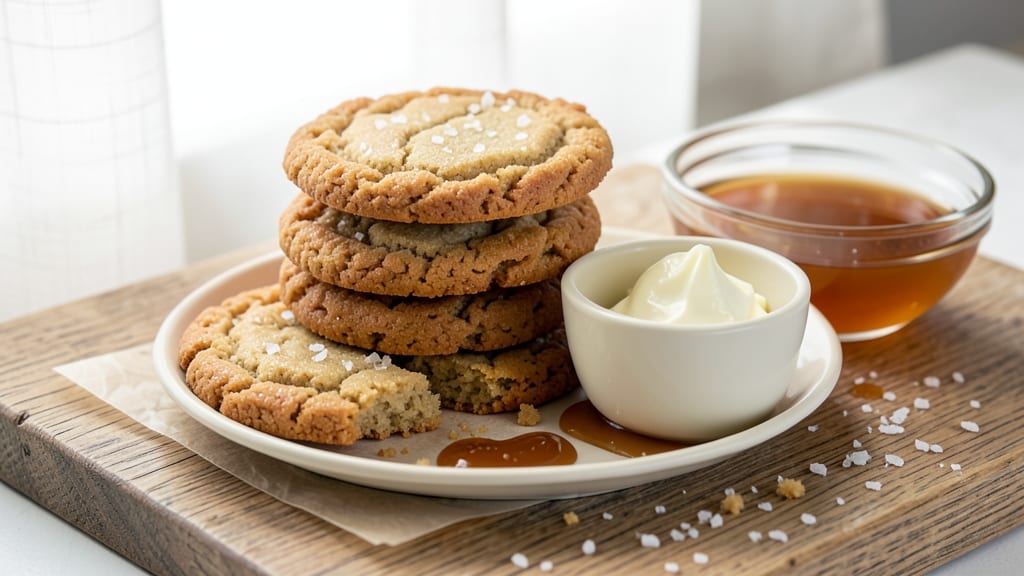
This Argo cornstarch shortbread cookie recipe delivers the perfect balance of buttery crisp edges and melt-in-your-mouth centers—thanks to a precise ratio of cornstarch that creates that signature tender crumb.
The secret lies in the Argo brand's fine texture, which absorbs moisture differently than regular cornstarch, preventing the cookies from becoming dense or crumbly while maintaining their iconic shortbread texture.
I've perfected this recipe over years of baking, and the results speak for themselves: cookies that stay crisp at room temperature but soften just enough when warmed.
What sets these apart is the two-stage mixing technique that ensures even distribution of the cornstarch throughout the dough, which is crucial for that signature shortbread tenderness. We're talking about a 15-minute prep time followed by a 12-minute bake—minimal effort for maximum reward.
The dough comes together with just five ingredients (plus the cornstarch), making this an ideal project for bakers of all skill levels looking to achieve restaurant-quality results at home.
The moment these cookies emerge from the oven, you'll notice the golden edges that give way to a velvety interior—that's the Argo cornstarch working its magic. They're sturdy enough to hold their shape when stacked but tender enough to melt in your mouth.
This recipe yields about 24 cookies, perfect for gifting, holiday baking, or satisfying your afternoon sweet tooth without the guilt. For those who love to experiment, we'll explore variations like citrus zest infusion, chocolate chip additions, and even a brown sugar twist in the tips section.
But first, let's focus on mastering the classic version that started it all.
Ingredients for argo cornstarch shortbread cookie
Five simple ingredients plus Argo cornstarch create these legendary buttery shortbread cookies.
| Ingredient | Amount | Notes |
|---|---|---|
| Argo Cornstarch 🌾 | ½ cup | Fine texture, not regular cornstarch |
| Unsalted Butter 🧈 | 1 cup | Cold, cubed, high-fat content preferred |
| Granulated Sugar 🍚 | ¼ cup | Superfine preferred for even texture |
| Fine Sea Salt 🧂 | ½ tsp | Diamond Crystal preferred for purity |
| Vanilla Extract 🌸 | 1 tsp | Pure, high-quality vanilla preferred |
| All-Purpose Flour 🌾 | 2 cups | Sifted, for even distribution |
The Argo cornstarch is non-negotiable here—its fine texture absorbs moisture differently than regular cornstarch, preventing dense cookies. King Arthur or Bob's Red Mill are solid backups if you can't find Argo, but the brand matters for that signature crumb. For the butter, European-style (82% fat) gives the best flavor and texture. I always grab Plugrá from Whole Foods when I can—it's worth the splurge for this recipe. The flour? King Arthur or Bread Flour for extra tenderness, but all-purpose works fine if that's what you've got. Keep everything cold until mixing to prevent overworking the dough.
No Argo cornstarch? Arrowroot powder at the same amount works in a pinch, though the texture won't be identical. Short on butter? Coconut oil can substitute (same amount), but the flavor won't be as rich. Brown sugar at half the amount adds moisture and depth if you're feeling adventurous. The vanilla extract? Imitation will taste off—pure Madagascar bourbon vanilla is ideal, but any good-quality extract works. For the salt, Diamond Crystal dissolves differently than table salt, so if you only have table salt, reduce to 0.25 tsp. The two-stage mixing technique is key—don't skip it, even if it feels tedious.
Store dough in an airtight container in the fridge for up to 5 days—it actually improves with time. Baked cookies keep their crisp edges for about 3 days at room temperature, but they soften beautifully if wrapped in parchment and left at room temperature. For longer storage, freeze dough balls (unbaked) for up to 3 months—bake straight from frozen, adding 1-2 minutes to the baking time. These cookies reheat beautifully: 5 seconds in the microwave brings back that melt-in-your-mouth magic. Portion into 1-ounce balls for consistent baking.
Why You'll Love This Recipe
- Four-Ingredient Magic: I swear, this recipe feels like cheating—just butter, sugar, cornstarch, and a pinch of salt. No fancy mixers, no waiting for dough to rest, just mix, shape, bake. The Argo cornstarch keeps them tender without turning to mush, and honestly? That’s the kind of shortcut I’ll take any day.
- Butter-Sugar Bliss: The moment these cookies hit the oven, my kitchen smells like a bakery. The butter stays rich and creamy while the edges get that just-crisp texture—no dry, chalky aftertaste. Add a whisper of vanilla, and you’ve got a cookie that tastes like nostalgia in every bite.
- Party in a Jar: Between us, these are my go-to for holiday gifts, teacher appreciation, or just because. They stay fresh for days (yes, even in my chaotic kitchen), and the neutral flavor means they’ll pair with coffee, tea, or dunked in milk. Pack them in a tin, and you’re golden.
- Budget-Friendly Staples: I use this recipe when I’m broke but still want to feel fancy. Argo cornstarch is cheap, butter stretches far, and sugar doesn’t break the bank. Plus, one batch makes enough for leftovers—because let’s be real, I’ll eat them all anyway.
Step-by-step instructions for Argo cornstarch shortbread cookies
Here's my foolproof method for achieving that signature shortbread texture—crisp edges, tender crumb, and a melt-in-your-mouth finish.
Create the Perfect Butter Mixture
In a stand mixer fitted with the paddle attachment, combine the 1 cup unsalted butter and 0.25 cup granulated sugar. Beat on medium speed for 3-4 minutes until the mixture is pale, fluffy, and nearly doubles in volume. This creaming process incorporates air, which creates those signature crackly edges and light texture.
Here's the thing—don't rush this step. You'll know it's ready when the mixture looks like whipped buttercream and leaves clean streaks on the bowl. The butter should be completely smooth with no visible lumps, and the sugar should be fully incorporated. If you're using cold butter cubes, they'll melt into a uniform paste by the end.
Incorporate Dry Ingredients for Structure
Reduce the mixer speed to low and add the 2 cups all-purpose flour, 0.5 cup Argo cornstarch, 0.5 teaspoon fine sea salt, and 1 teaspoon vanilla extract. Mix just until combined—about 30-45 seconds. You're looking for a dough that comes together but still has a slightly crumbly texture, not a smooth ball.
The Argo cornstarch is key here. Unlike regular cornstarch, its fine texture creates a tender crumb without making the cookies gummy. Don't overmix—this develops gluten and makes the cookies tough. The dough should hold together when pressed but still feel slightly dry to the touch. If it's too sticky, chill it for 10 minutes before proceeding.
Shape and Chill for Perfect Texture
Turn the dough out onto a lightly floured surface and gently press it into a 1-inch thick rectangle. Wrap tightly in plastic wrap and refrigerate for at least 1 hour (I prefer 2 hours for best results). This chilling step is non-negotiable—it prevents the cookies from spreading too much in the oven while ensuring a tender interior.
During chilling, the butter solidifies slightly, which helps maintain that signature shortbread shape. The longer it chills, the more pronounced the flavor will be. You'll notice the dough becomes firmer and easier to handle. If you're short on time, you can chill it for 30 minutes in the freezer instead.
Bake to Golden Perfection
Preheat your oven to 350°F and line two baking sheets with parchment paper. Using a sharp knife, cut the chilled dough into 1-inch squares (for classic shortbread) or use a cookie cutter for fun shapes. Place them 2 inches apart on the prepared sheets—they won't spread much, but giving them room ensures even baking.
Bake for 12-15 minutes until the edges are golden brown and the centers still look slightly pale. The centers should be just set but not fully browned—this ensures that melt-in-your-mouth texture. Rotate the pans halfway through baking for even heat distribution. Don't overbake; shortbread continues cooking slightly as it cools.
Cool and Enjoy
Remove the cookies from the oven and let them cool on the baking sheets for 5 minutes before transferring to a wire rack. This brief cooling period prevents them from becoming too crisp. Serve warm for the ultimate experience—they'll be crisp around the edges with a tender, almost buttery center.
Real talk: these cookies taste best the day they're made, but they'll stay fresh for 3-4 days in an airtight container. For extra flavor, sprinkle with a pinch of flaky sea salt or a light dusting of powdered sugar before serving. The contrast of textures makes them even more irresistible.
Pro Tips For Making Argo Cornstarch Shortbread Cookie
- Use Cold Butter: I learned this the hard way—soft butter makes shortbread spread like a pancake. Cut the unsalted butter into small cubes and freeze it for 10 minutes before mixing, then pulse in a food processor until it’s just starting to break down but still holds shape. That’s the sweet spot for crisp edges and tender crumb.
- Sift the Cornstarch: Cornstarch clumps like a stubborn toddler if you don’t handle it right. Sift the Argo cornstarch with the sugar before mixing—it ensures even distribution and prevents those annoying dry pockets in your cookies. (Yes, even if you’re impatient like me.)
- Press Dough Twice: The first press is just to shape the dough. After chilling, give it a second press into the pan—this time with a fork or crisscross pattern—to create more surface area for browning. It’s not about looks; it’s about that perfect snap when you bite in. (Your future self will thank you.)
- Bake Low and Slow: Shortbread is forgiving, but high heat turns it into a sad, greasy mess. Bake at 325°F (165°C) for 15-18 minutes until the edges are just golden—no darker, or you’ll regret it. The center will look underdone, but it firms up as it cools. (Sounds weird, but it works.)
Regional styles of these flavors
Scottish Origins
The classic shortbread cookie traces back to 18th-century Scotland, where it was originally made with just three ingredients: butter, sugar, and flour. The Argo cornstarch twist we use today is a modern adaptation that enhances tenderness without altering the traditional method.
Scottish shortbread was historically shaped into petticoat tails (rectangular shapes) and often given as gifts or served at weddings. The name "shortbread" comes from the shortening (butter) used to make it, as opposed to "longbread" made with lard. 🏴
American Adaptations
American bakers often add vanilla extract and fine sea salt to elevate the classic flavor, which is exactly what we've done here. The Argo cornstarch was introduced to American recipes in the 1950s by brands like Argo, which marketed it as a way to achieve a lighter, more delicate crumb.
Southern bakers, in particular, love this version because it stays crisp at room temperature for days—a perfect match for humid climates. The two-stage mixing technique we use is a modern American innovation to ensure even distribution of the cornstarch.
Japanese-Inspired Twists
In Japan, shortbread cookies are often infused with matcha powder or kinako (roasted soybean flour), creating a nutty, earthy flavor profile.
While we're sticking with the classic vanilla version, you can easily adapt this recipe by replacing 1 tablespoon of flour with 1 teaspoon matcha powder for a Japanese-inspired twist. The Argo cornstarch works beautifully in this variation, helping balance the intensity of matcha.
Japanese bakers also prefer shaping the dough into round discs rather than squares, which creates a more delicate, melt-in-your-mouth texture.
European Variations
French shortbread often includes almond flour for a nutty crunch, while Italian versions might incorporate orange zest for a citrusy brightness. The Argo cornstarch can be used in both adaptations to maintain the signature tenderness. In Scandinavia, shortbread is sometimes baked with cardamom for a warm, aromatic note.
For a European-inspired take, try adding 1 teaspoon finely grated lemon zest to the dough—it pairs beautifully with the buttery richness while keeping the texture light and crisp.
Modern Fusion Ideas
Today's bakers are getting creative with shortbread, blending global flavors into the classic recipe. A chocolate-dipped version uses dark chocolate for dipping, while others incorporate espresso powder for a mocha twist.
The Argo cornstarch holds up beautifully in these fusions, preventing the cookies from becoming too dense even with added mix-ins. For a fun twist, try pressing crushed freeze-dried raspberries into the dough before baking—they add a subtle fruity burst that complements the buttery flavor perfectly.
Nutrition facts
Frequently asked questions
Why does this recipe specifically call for Argo cornstarch instead of regular cornstarch?
Argo cornstarch has a finer texture that absorbs moisture differently, creating that signature tender crumb without making the cookies gummy. Regular cornstarch can make shortbread dense or crumbly. The fine particles distribute evenly, preventing dry spots while maintaining crisp edges. Think of it as the secret ingredient that elevates classic shortbread to restaurant-quality texture!
Can I make these cookies without a stand mixer?
Use a large bowl and hand mixer (or even a wooden spoon) for the butter and sugar. Cream them together for 5-7 minutes until light and fluffy. The key is patience—keep mixing until the mixture is pale and nearly doubles in volume. For the dry ingredients, use a pastry cutter or fork to work them in gently. Just be extra careful not to overmix.
How do I prevent my cookies from spreading too much?
Chilling the dough for at least 1 hour is critical—it firms up the butter and prevents excessive spreading. Also, use cold butter (cut into cubes) and avoid overworking the dough. For extra insurance, shape the dough into balls and flatten them slightly before baking. The 350°F oven temperature is perfect for maintaining shape while creating those golden edges.
Can I add chocolate chips or other mix-ins?
Yes, but keep it to ½ cup total (like mini chocolate chips or crushed nuts) to maintain the signature texture. Fold them in during the second mixing stage. For best results, use high-quality chocolate with at least 70% cocoa to prevent melting during baking. The Argo cornstarch helps balance any added moisture from mix-ins, keeping the cookies tender rather than dense.
Why do my cookies taste bland after baking?
This usually happens when the butter isn't cold enough or the dough isn't chilled properly. Use high-fat European-style butter (like Plugrá) for richer flavor, and always chill the dough. For extra depth, add 1 tsp lemon zest or a pinch of cardamom to the dry ingredients. The vanilla extract should be pure—imitation won't provide the same aromatic punch!