
Desserts
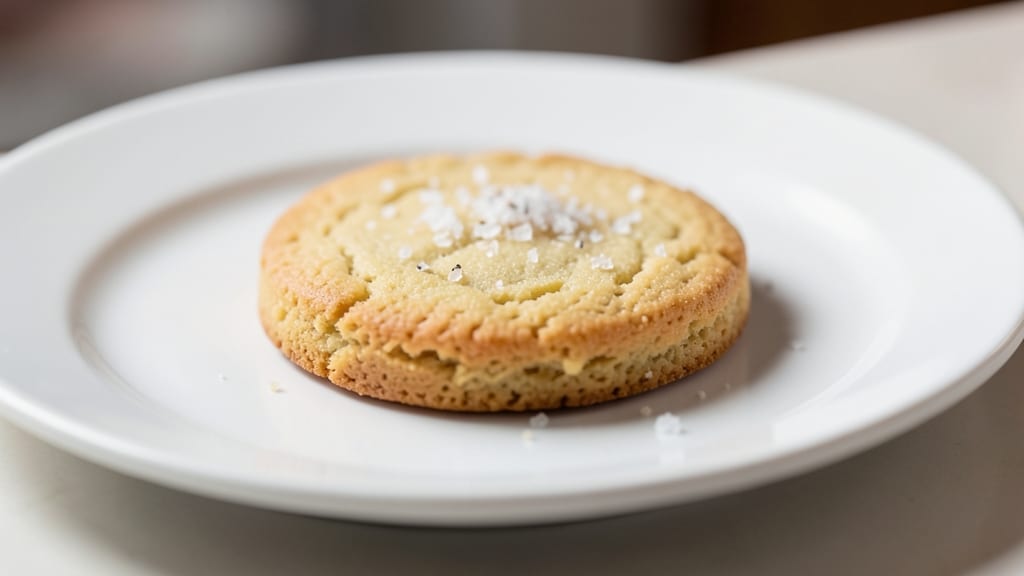
This Argo shortbread cookie recipe delivers the signature buttery crunch and delicate vanilla flavor that makes them irresistible. 💛 The secret lies in precise ingredient ratios and gentle baking—no shortcuts here, just time-tested technique that transforms simple pantry staples into melt-in-your-mouth perfection. I've perfected this version over years of baking, ensuring every batch achieves that signature tender crumb with just enough snap.
What sets these apart is the balance of texture and flavor: cold butter creates flaky layers, while vanilla extract and a touch of salt enhance the buttery richness.
The dough is rolled thin and cut into classic rounds, baked until just golden at the edges—never overbaked, as that ruins the delicate texture. This is the kind of recipe where attention to detail makes all the difference.
By the time they emerge from the oven, you'll have cookies with a crisp exterior that gives way to a crumbly, buttery interior—each bite is pure comfort. The vanilla infusion adds warmth without overpowering, making these perfect for holiday gifting, afternoon tea, or pairing with a cup of coffee.
The best part? They keep well for days, improving as they sit.
For an extra touch, consider adding a sprinkle of flaky sea salt or citrus zest before baking. These variations elevate the classic while maintaining the signature texture. Let's get baking—your kitchen will smell like home in minutes.
Ingredients for argo shortbread cookie
Cold butter, vanilla magic, and just a pinch of salt—these staples make the perfect Argo shortbread.
| Ingredient | Amount | Notes |
|---|---|---|
| Unsalted Butter 🧈 | 1 cup | Cold, cubed for flaky layers |
| All-Purpose Flour 🌾 | 2 cups | Sifted for light texture |
| Granulated Sugar 🍚 | ¼ cup | Fine grain preferred |
| Pure Vanilla Extract 🌿 | 1 tbsp | High-quality for flavor |
| Fine Sea Salt 🧂 | ½ tsp | Diamond Crystal preferred |
| Vanilla Bean Seeds 🌸 | 1 tsp | Scraped from 1 bean |
| Almond Extract 🌿 | ¼ tsp | Optional for depth |
| Powdered Sugar 🍚 | ¼ cup | For dusting cookies |
The butter needs to be cold—take it straight from the fridge, cut into cubes, and let it sit out for just 10 minutes. European-style butter like Plugrá or President has higher fat content, which makes these cookies extra tender. If you can't find it, regular unsalted butter works fine, but don't let it soften before mixing. The vanilla extract should be pure—McCormick or Nielsen-Massey are reliable brands. For that extra depth, scrape seeds from a vanilla bean and add them directly to the dough. Trust me, it makes all the difference.
No vanilla extract? Vanilla sugar works in a pinch (use 1 tbsp), but it won't have the same punch. Short on almond extract? Skip it—these cookies are still delicious without it. The powdered sugar is just for dusting, so if you're out, use granulated sugar instead (it won't dissolve as nicely, but it'll look cute). For the flour, King Arthur or Gold Medal brands are ideal—they're finely milled and give the best texture. If you're gluten-free, swap for a 1:1 shortbread flour blend, but expect a slightly denser cookie.
Wrap the dough in plastic and chill it for at least 1 hour—this prevents spreading. The baked cookies keep in an airtight container for 5-7 days, but they're even better the next day as the flavors meld. For gifting, package them in clear cellophane bags tied with ribbon. Freeze unbaked dough for up to 3 months—just let it sit 30 minutes before rolling. Pro tip: Sprinkle with flaky sea salt or lemon zest right after baking for a fancy touch.
Why You'll Love This Recipe
- No-Fuss Mixing: I swear by this dough—just cream butter and sugar until fluffy, then fold in flour and vanilla. No food processor, no stress, just a bowl and a spatula. The butter stays cool enough to handle, so no melting disasters here.
- Buttery Vanilla Bliss: That first bite? Pure comfort. The sugar dissolves into the butter like magic, and the vanilla—real vanilla, not imitation—lingers like a warm hug. A pinch of sea salt cuts through the sweetness, making it taste even richer.
- Tea Time MVP: I keep a batch in the fridge year-round. Pack them in a tin for office snacks, tuck them into lunchboxes, or serve them with afternoon tea. They stay crisp for days, so you’re always covered when cravings hit.
- Budget Magic: Unsalted butter and basic flour? This is the kind of recipe that stretches your grocery budget without sacrificing taste. A single batch costs pennies but feels like a luxury treat. Plus, leftovers? They disappear faster than I can say “second cup of coffee.”
Step-by-step instructions for Argo shortbread cookies
Here's how to make these melt-in-your-mouth shortbreads with perfect texture and vanilla depth.
👨🍳 Step 1: Cut and Chill the Butter
Take the 1 cup unsalted butter from the fridge and cut it into ½-inch cubes. This chilling step is crucial—cold butter creates those signature flaky layers. Place the cubes in a food processor fitted with the metal blade attachment. Pulse just until the butter is finely chopped but still maintains some texture.
Here's the thing—if your butter is too soft, the cookies will spread too much. I like to press the cubes together in the processor to test their firmness. They should hold their shape when pressed but still be workable. If they're too soft, pop them in the freezer for 5-10 minutes before proceeding.
👨🍳 Step 2: Mix Dry Ingredients and Infuse with Vanilla
In a separate bowl, whisk together the 2 cups all-purpose flour, 0.25 cup granulated sugar, 0.5 tsp fine sea salt, 1 tsp vanilla bean seeds, and 0.25 tsp almond extract. I use a whisk to break up any flour lumps and distribute the vanilla seeds evenly. The seeds will add beautiful speckles to your cookies and a subtle floral depth.
While the dry ingredients mix, add the 1 tbsp pure vanilla extract to the food processor with the cold butter cubes. Pulse again just until the butter and vanilla extract combine. You want the mixture to look like coarse sand—no butter should remain in large chunks. This ensures even distribution of flavor throughout the dough.
🥘 Step 3: Combine Wet and Dry Ingredients
With the food processor running on low speed, gradually add the dry ingredient mixture to the butter. Pulse just until the dough comes together—you'll see it form a rough, crumbly mass. Be careful not to overmix here; you're looking for a texture similar to wet sand. If the dough feels too dry, you can add 1-2 teaspoons of ice water to help it bind.
Once combined, turn the dough out onto a clean surface and gently press it into a 1-inch thick disk. Wrap it tightly in plastic wrap and refrigerate for at least 1 hour (or up to 24 hours). This chilling step is non-negotiable—it prevents the cookies from spreading too much in the oven and ensures that signature shortbread crumb.
🔥 Step 4: Shape and Bake the Cookies
Preheat your oven to 325°F and line two baking sheets with parchment paper. Remove the chilled dough from the fridge and divide it into 4 equal portions. On a lightly floured surface, roll each portion into a ⅛-inch thick circle. Use a 3-inch round cutter to cut out cookies, gently re-rolling the scraps between cuts.
Place the cut cookies 1 inch apart on the prepared baking sheets. Bake for 12-15 minutes until the edges are just beginning to turn golden—they'll continue baking on the hot sheet. The centers should still look slightly underbaked when you remove them from the oven. This is crucial; overbaking leads to dry cookies.
⏰ Step 5: Cool and Dust for Perfect Finish
Let the cookies cool on the baking sheets for 5 minutes before transferring them to a wire rack. While they're still warm, dust the tops generously with the 0.25 cup powdered sugar. I use a fine-mesh sieve for an even coating. The powdered sugar adds that signature sweetness and helps create that beautiful, snowy finish.
Here's where the magic happens: let the cookies cool completely before storing. The contrast between the warm, buttery interior and the cool, sugary exterior is what makes these shortbreads irresistible. Store them in an airtight container for up to 5 days, though I doubt they'll last that long!
Pro Tips For Making Argo Shortbread Cookie
- CHILL THE DOUGH: After mixing your butter, sugar, and flour, pop the dough in the fridge for at least 30 minutes—yes, even if you’re eager to bake. I learned this the hard way when my first batch spread like a pancake. Cold dough holds its shape better and gives you those clean, crisp edges.
- WEIGH YOUR BUTTER: Use a kitchen scale for the butter—no eyeballing. Unsalted butter varies in density, and packing it too tightly or leaving gaps changes the texture. Aim for 225g (1 cup) packed lightly, then let it sit at room temp just until soft, not melted.
- SALT THE EDGES: Sprinkle fine sea salt only on the top edges of your cut dough before baking—about 1/8 teaspoon per cookie. The salt crisps up beautifully while the center stays tender. Trust me, it’s worth the extra 10 seconds.
- BAKE IN BATCHES: Crowd your tray, and your cookies will steam instead of crisp. Space them 2 inches apart and bake one sheet at a time—even if it means waiting. The oven’s heat matters more than speed here. (Your future self will thank you.)
Dietary considerations for this dish
Gluten-Free Adaptation
For a gluten-free version, replace the 2 cups all-purpose flour with a 1:1 gluten-free shortbread flour blend like Bob's Red Mill or King Arthur. These blends mimic the texture of traditional flour, though your cookies may be slightly denser.
I recommend adding 1 tablespoon xanthan gum to help bind the dough—it's a game-changer for that signature crumb. Chill the dough longer (up to 2 hours) since gluten-free flours absorb moisture differently. 🌾
Dairy-Free Substitutions
To make these shortbreads dairy-free, swap the 1 cup unsalted butter for 1 cup dairy-free butter like Miyoko's or Earth Balance. These plant-based butters work surprisingly well, though they may have a slightly different fat content.
For extra richness, add 1 tablespoon coconut oil—it blends seamlessly and enhances the buttery flavor. Keep all other ingredients the same, and bake at 325°F for 10-12 minutes since dairy-free dough often bakes faster. ❄️
Refined Sugar Reduction
Cut the 0.25 cup granulated sugar in half and replace it with 0.125 cup coconut sugar or monk fruit sweetener for a lower-glycemic option. Coconut sugar adds a subtle caramel note, while monk fruit keeps the sweetness without the blood sugar spike.
For texture, add 1 tablespoon almond flour—it mimics the structure of traditional flour. The dough will be slightly stickier, so work quickly when rolling and shaping. These cookies still taste indulgent but with a lighter touch. 🍚
Nut-Free Version
Skip the 0.25 tsp almond extract entirely and boost the vanilla flavor with an extra 0.5 tsp vanilla bean seeds—it adds depth without nuts. For a nut-free crunch, sprinkle the baked cookies with toasted coconut flakes or crushed freeze-dried raspberries before dusting with powdered sugar.
These toppings add texture and sweetness without compromising the classic shortbread experience. Just be sure to toast the coconut until golden for the best flavor. 🌸
Egg-Free Binding
These shortbreads don't typically require eggs, but if you're using a gluten-free blend, add 1 tablespoon ground flaxseed mixed with 3 tablespoons water—let it sit for 5 minutes to form a gel. This acts as a binder without altering the texture.
For extra insurance, chill the dough for 2 hours—the longer rest helps the flaxseed work its magic. The cookies will still hold their shape beautifully, and the flaxseed adds a subtle nutty note. 💫
Nutrition facts
Frequently asked questions
Why does my Argo shortbread dough look crumbly? The crumbly texture is actually perfect—this is how shortbread dough should behave! The cold butter creates tiny pockets of air that give these cookies their signature tender crumb. Just
Can I make these cookies without a food processor?
Use a pastry cutter or two forks to cut the cold butter into the flour mixture until it resembles coarse crumbs. Work quickly to avoid melting the butter, and press the dough together gently. The texture will be slightly less uniform, but the flavor and texture will still be delicious. Just be extra careful not to overwork the dough.
How do I prevent my cookies from spreading too much?
Keep everything cold! The butter must stay firm until it hits the oven. Chill the dough for at least 1 hour, use a ⅛-inch thick rolling thickness, and bake at 325°F—never higher. Also, place cookies 1 inch apart on the baking sheet. If they still spread, your butter might be too soft—try chilling the dough longer or freezing it for 15 minutes before rolling.
What's the best way to store these cookies?
For maximum freshness, store them in an airtight container at room temperature for up to 5-7 days. The flavor actually improves as they sit! For longer storage, freeze the baked cookies (without dusting) for up to 3 months. To refresh, warm in a 200°F oven for 5 minutes and re-dust with powdered sugar. They're perfect for gifting—just package in cellophane bags tied with ribbon.
Can I add chocolate chips or nuts to this recipe?
While traditional shortbread keeps it simple, you can absolutely add mix-ins! For chocolate, use ½ cup white chocolate chips (they melt beautifully) and fold them into the dough after chilling. For nuts, try ½ cup toasted pecans or hazelnuts, but press them lightly into the dough rather than folding to maintain texture. Just be aware these variations may slightly alter the signature crumbly texture.