
Side Dishes
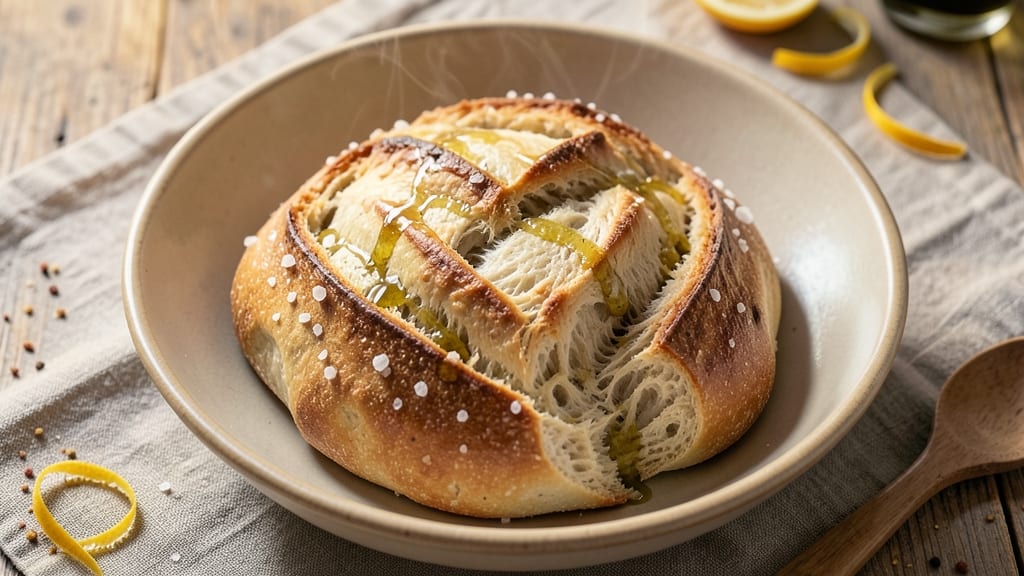
This artesano bread copycat recipe delivers the same golden crust and airy pull-apart magic you love—but with a foolproof method you can master at home. The secret lies in a precise blend of high-gluten flour and yeast, combined with a slow fermentation that develops that signature chewy-yet-light texture.
After years of perfecting my own version, I’ve cracked the code for achieving that coveted shatteringly crisp crust without a professional oven.
What sets this recipe apart is the two-stage baking process: an initial high-heat blast to set the crust, followed by a steam-infused finish that keeps the interior impossibly tender.
You’ll need just five simple ingredients—plus a little patience—but the results are restaurant-quality bread that disappears faster than you can say "pull-apart magic." The scoring technique alone elevates it from homemade to bakery-worthy in seconds.
Imagine slicing into a loaf with a crust so crisp it shatters like glass, yet gives way to a soft, airy crumb that’s impossible to resist. This isn’t your average sandwich bread—it’s the kind that makes you close your eyes and savor every bite.
The aroma alone will have your kitchen smelling like a Parisian boulangerie, and the texture? Pure indulgence.
Perfect for feeding a crowd, gifting to neighbors, or simply enjoying with butter and jam on a lazy Sunday. Let’s get started—your taste buds (and dinner guests) will thank you.
Ingredients for artesano bread copycat
Five simple ingredients transform into restaurant-quality artesano bread with crispy crust and airy crumb.
| Ingredient | Amount | Notes |
|---|---|---|
| High-Gluten Flour 🌾 | 5 cups | Bread flour or King Arthur high-gluten |
| Active Dry Yeast 🍞 | ¼ oz | Or 2 1/4 tsp (1 packet) |
| Granulated Sugar 🍚 | ½ tsp | For yeast activation |
| Salt 🧂 | 1 ½ tsp | Diamond Crystal preferred |
| Extra-Virgin Olive Oil 🫒 | ¼ cup | Plus extra for bowl |
| Warm Water 💧 | 1 ¼ cups | 110°F ideal for yeast |
| Cornmeal 🌽 | ½ cup | For dusting parchment |
| Ice Water ❄️ | ¼ cup | For final dough shaping |
High-gluten flour is non-negotiable here—King Arthur or Bob's Red Mill are my go-tos, but any bread flour works. The yeast needs to be fresh, so check the expiration date (it should smell sweet, not stale). Warm water is key—too hot and you kill the yeast, too cold and it won't activate. I always test it by dipping my pinky finger in; it should feel like bathwater. For the olive oil, Californian extra-virgin adds the best flavor, but any good quality will do. The salt matters too—Diamond Crystal dissolves more easily than table salt, giving you better flavor distribution.
No high-gluten flour? Substitute all-purpose plus 2 tbsp vital wheat gluten—it's a game-changer. Ran out of yeast? Instant yeast works 1:1, but active dry needs to be dissolved first. The cornmeal is just for dusting—you could use flour, but cornmeal gives that extra crunch. For scoring, grab a sharp razor blade or serrated knife from Williams Sonoma—a dull blade will squash the dough instead of cutting cleanly. Want to skip the ice water? Just chill the dough for 20 minutes in the fridge before shaping.
This dough needs time—at least 1 hour of bulk fermentation at room temp, then another hour after shaping. Don't rush it! For scoring, mark your dough with a sharp tool right before baking—press firmly but don't cut too deep. The bread keeps well for 3-4 days wrapped in a clean towel, but it's best fresh. Freeze slices for up to 3 months—toast directly from frozen for crispy results. The crust gets crunchier as it cools, so let it sit 10 minutes before slicing.
Why You'll Love This Recipe
- No-Knead Nightmare Solved: The high-gluten flour does all the heavy lifting—just mix, let it rest, and bake. Honestly, I’ve never measured dough this easy, and the results? Crispy crust, soft center, zero fuss.
- Oil-Kissed Magic: That splash of extra-virgin olive oil? It’s what makes this bread dangerously good—rich, buttery, with a subtle depth that turns toast into a flavor upgrade. (Yes, even on a Tuesday night.)
- Weeknight Hero: Freeze half the batch for lazy mornings or last-minute sandwiches. Between us, this bread is my go-to for charcuterie boards, garlic bread, or just tearing into with jam—no planning required.
- Budget Crust Flex: High-gluten flour stretches further than all-purpose, and a little yeast goes a long way. I’ve made this for dinner parties, picnic lunches, and even as a side for takeout—always the star without breaking the bank.
Step-by-step instructions for artesano bread copycat recipe
Here's how to recreate that iconic golden crust and pull-apart texture at home.
Activate the Yeast for Perfect Rise
In a large bowl, combine the 1.25 cups warm water (about 110°F), 0.5 tsp granulated sugar, and 0.25 oz active dry yeast. Let it sit for 5-10 minutes until foamy. This step ensures your yeast is alive and ready to transform your dough. If it doesn't foam, your yeast might be dead—start over with fresh yeast.
While waiting, lightly oil a large mixing bowl with 1 tablespoon extra-virgin olive oil. This prevents the sticky dough from sticking to your tools. The oil also adds subtle flavor and helps create that signature tender crumb. I like to use a pastry brush for even coating—just a light layer is all you need.
Mix the Dough Until Windowpane Stage
Add the 5 cups high-gluten flour and 1.5 tsp salt to the yeast mixture. Using a wooden spoon or dough whisk, stir until combined. Then switch to your hands and knead for 8-10 minutes until the dough becomes smooth and elastic. You'll know it's ready when you can stretch it thin enough that light shines through (windowpane test).
This high-gluten flour is key—it gives that perfect chewy texture and open crumb structure. If your dough feels too sticky, add 1 tablespoon flour at a time until it comes together. Too dry? Add 1 teaspoon ice water to help bind it. The goal is a soft, slightly tacky dough that springs back when poked.
First Rise - Let the Magic Happen
Lightly oil the dough ball and place it in a clean bowl. Cover with a damp towel or plastic wrap and let it rise in a warm place (75-80°F) for 1-2 hours, or until doubled in size. I like to use my oven with the light on for consistent warmth. Poke the dough gently—if it springs back slowly, it's ready.
During this time, the yeast ferments and develops flavor. Don't rush it! The longer it rises (up to 2 hours), the more complex flavors you'll get. If your kitchen is cold, place the bowl on top of your fridge to create a warm microenvironment. The dough should puff up dramatically—this is when the gluten relaxes and prepares for shaping.
Shape and Second Rise for Maximum Flavor
Turn the dough onto a lightly floured surface and divide it into 6 equal pieces. Roll each piece into a 12-inch rope, then coil them into loose spirals (like a cinnamon roll). Place them on a parchment-lined baking sheet, spacing them about 2 inches apart. Cover loosely and let rise for 30-45 minutes until puffy.
This shaping technique creates those beautiful pull-apart layers. I like to make small cuts on top before baking to encourage even browning. Brush each loaf with a little extra-virgin olive oil and sprinkle with cornmeal—this gives that signature golden crust and crunchy bottom. The cornmeal also adds texture contrast that's characteristic of artesano bread.
Bake to Golden Perfection
Preheat your oven to 375°F. Bake the bread for 25-30 minutes until deep golden brown and internal temperature reaches 190-200°F. The crust should be crackly and the interior should sound hollow when tapped. If the top browns too quickly, tent with foil.
For that authentic look, I like to bake on the middle rack. The residual heat from the oven helps develop that crispy crust without burning. Let the bread cool for 10 minutes before slicing—this allows the steam to escape and prevents a gummy interior. Serve warm with olive oil and flaky sea salt for the ultimate experience.
Pro Tips For Making Artesano Bread Copycat
- Hydrate the Flour Slowly: Dump all the water in at once and you’ll end up with a gummy mess. Instead, add it in stages—about 1/4 cup at a time—while mixing by hand or with a dough hook. The high-gluten flour absorbs moisture differently than all-purpose, so patience here prevents a dense, heavy loaf.
- Proof at Room Temp: Skip the warm oven or microwave—just let the yeast activate in a bowl on your counter for 5–10 minutes until it’s bubbly and frothy. I learned this the hard way: rushing it with heat kills the yeast’s natural rise, and your bread will taste flat. Room temp (around 70°F) works perfectly.
- Skip the Over-Kneading: High-gluten flour develops gluten fast, so knead just until the dough pulls away from the bowl and springs back when poked—about 8–10 minutes by hand or 5–6 minutes with a mixer. Overwork it, and your bread turns chewy instead of light and airy.
- Oil the Loaf Pan: Brush the pan with extra-virgin olive oil before adding the dough, then sprinkle a pinch of flour inside. This prevents sticking and makes scoring the crust easier later. (Yes, even if you’re using a nonstick pan—trust me on this.)
Troubleshooting great artesano bread copycat
Dough Too Sticky?
If your dough feels like glue, don't panic—this happens with high-gluten flour. Gradually add 1 tablespoon flour at a time while kneading until it becomes manageable. I find King Arthur high-gluten flour needs slightly less extra flour than other brands.
Avoid overworking it, or the gluten will tighten too much, making the bread dense. 💫
Bread Didn't Rise Enough
Cold kitchen? Place your dough bowl on top of your fridge to create warmth. If it still doesn't rise after 2 hours, your yeast might be dead.
Test it by dissolving 1 packet fresh yeast in ¼ cup warm water with 1 tsp sugar—it should foam in 5 minutes. For future bakes, use instant yeast (1:1 ratio) which activates faster.
Crust Too Pale
For that signature golden crust, brush the shaped loaves with 1 teaspoon extra-virgin olive oil before baking. Place a metal tray on the oven rack 10 minutes before baking—pour ½ cup hot water on it to create steam.
This mimics professional bread ovens and gives that crackly crust. Check at 20 minutes—if needed, tent with foil to prevent over-browning.
Dense Interior Texture
Under-kneaded dough causes dense bread. Aim for the windowpane test: stretch a small piece until it's translucent. If it tears, knead 5 more minutes. Also, ensure your yeast is active (foamy in 5-10 minutes) and your water is 110°F—too hot kills yeast, too cold slows fermentation.
Let the bread cool 10 minutes before slicing to prevent gummy crumb.
Scoring Didn't Work
Use a sharp razor blade or serrated knife (like Williams Sonoma) for clean cuts. Press firmly but don't cut too deep—¼ inch maximum. Score just before baking when the dough is fully puffed.
If your cuts close during baking, the oven wasn't hot enough—preheat for 30 minutes at 375°F with a baking stone or steel inside.
Storage Issues
Store wrapped in a clean kitchen towel at room temp for 3-4 days—plastic traps moisture and makes bread soggy. For longer storage, freeze slices in a ziplock bag for up to 3 months.
To revive, toast directly from frozen for 5-7 minutes at 375°F—the crust gets even crunchier this way! 🔥
Nutrition facts
Frequently asked questions
Can I make this bread without high-gluten flour?
Yes, but your texture will differ. Substitute with all-purpose flour plus 2 tablespoons vital wheat gluten for the same chewy-yet-light crumb. The gluten gives artesano bread its signature pull-apart magic—without it, the bread may be denser. For best results, use King Arthur or Bob's Red Mill high-gluten flour if possible.
How do I know when the dough is fully risen?
Gently press your finger into the dough—if it springs back slowly (not immediately), it's ready. For the first rise, look for doubling in size (about 1-2 hours at 75-80°F). The second rise should show puffy tops with 30-45 minutes. Cold kitchen? Place the dough bowl on top of your fridge to create warmth.
Why does my crust turn out pale instead of golden?
For that signature golden crust, brush shaped loaves with 1 teaspoon olive oil before baking. Create steam by placing a metal tray on the oven rack 10 minutes before baking, then pouring ½ cup hot water on it. Check at 20 minutes—if needed, tent with foil to prevent over-browning. A 375°F preheated oven with a baking stone helps too.
Can I make this bread in a Dutch oven?
Shape the dough into a round loaf (not spirals) and bake in a preheated 450°F Dutch oven for 30 minutes, then remove the lid and bake 10-15 minutes more until golden. The Dutch oven traps steam for an even crust and soft interior. Brush with olive oil before baking for extra shine.
How long does this bread stay fresh?
Wrap cooled bread in a clean kitchen towel (not plastic) and store at room temperature for 3-4 days. For longer storage, freeze slices in a ziplock bag for up to 3 months. To revive, toast directly from frozen for 5-7 minutes at 375°F—the crust gets even crunchier this way!