
Breakfast & Brunch
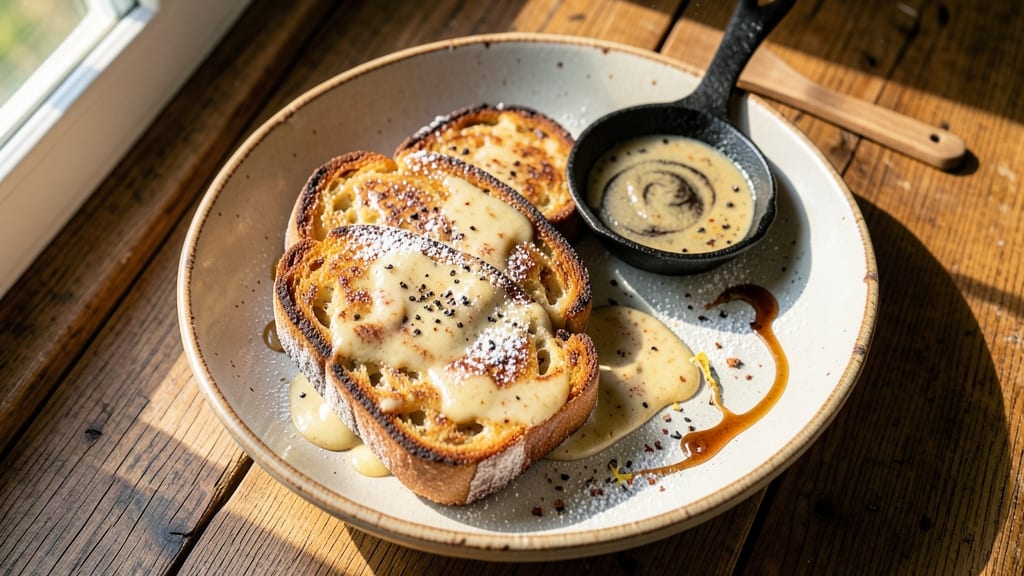
This artisan bread French toast recipe transforms stale loaves into a crispy, golden masterpiece with a gooey interior that practically melts in your mouth.
The secret lies in soaking thick slices in a custardy egg mixture—just long enough to absorb without falling apart—before achieving that perfect caramelized crust in the pan. I’ve perfected this technique over years of weekend breakfasts, and it’s the kind of dish that makes brunch feel like a special occasion.
What sets this apart is the pull-apart magic—thick slices of artisan bread (like sourdough or brioche) hold together beautifully while still delivering that satisfying texture contrast.
The custard base is simple: eggs, milk, vanilla, and a touch of cinnamon for warmth, but you can elevate it further with bourbon, cardamom, or even avocado for a modern twist.
The key is patience—let the bread soak just until it’s plump but still holds its shape, or you’ll end up with soggy disappointment.
By the time you flip the first slice, you’ll be rewarded with a crispy exterior that crackles with every bite, while the inside remains tender and custardy. The aroma alone—warm vanilla, caramelized sugar, and toasted bread—will have everyone gathering around the table.
This isn’t just French toast; it’s a breakfast experience that feels like a hug in food form.
Serve it with powdered sugar, fresh berries, or a drizzle of maple syrup for a classic touch, or go bold with whipped cream and chocolate shavings for a decadent finish.
The beauty of this recipe is its versatility—it’s elegant enough for a weekend brunch but simple enough for a weeknight treat. Let’s make breakfast unforgettable.
Ingredients for artisan bread french toast
Thick artisan bread slices, rich custard, and golden butter—simple ingredients for a brunch showstopper.
| Ingredient | Amount | Notes |
|---|---|---|
| Artisan Bread Loaf 🍞 | 1 whole | Stale or slightly dried preferred |
| Large Eggs 🥚 | 4 whole | Room temperature for even cooking |
| Whole Milk 🥛 | 1 cup | Full-fat for creaminess |
| Pure Vanilla Extract 🌿 | 1 tsp | Or vanilla bean paste |
| Ground Cinnamon 🌶️ | 1 tsp | Freshly ground preferred |
| Granulated Sugar 🍚 | ¼ cup | For custard sweetness |
| Unsalted Butter 🧈 | 2 tbsp | For crispy crust |
| Salt 🧂 | ½ tsp | Kosher or sea salt |
| Powdered Sugar 🍚 | ¼ cup | For serving |
| Fresh Berries 🍓 | 1 cup | Optional garnish |
| Maple Syrup 🍯 | ¼ cup | For serving |
| Heavy Whipping Cream 🥛 | ½ cup | Optional for whipped topping |
The bread is everything. Sourdough or brioche from a good bakery—Trader Joe's or Whole Foods have great options—holds up best to soaking. Look for loaves with a nice crust; they slice thicker and give that pull-apart magic. If using stale bread, skip the toasting—it'll dry out too much. For brioche, slice it slightly thicker (about 1 inch) since it's denser. The key is to avoid anything too soft, like challah, or it'll fall apart in the custard.
No vanilla extract? Vanilla bean paste or even a scraped vanilla bean works—just scrape the seeds into the custard. Want extra depth? Add a splash of bourbon or rum (about 1 tbsp). For the butter, European-style unsalted (like Plugrá) gives the best flavor. Short on time? Use a mix of butter and oil (1 tbsp oil + 1 tbsp butter) to prevent burning. The custard should coat the back of a spoon but not be runny—adjust with a splash more milk if needed. And don't skip the cinnamon; it's what makes this taste like brunch, not just toast.
Make the custard ahead and refrigerate it—it actually tastes better the next day. The bread? Store it in an airtight bag for up to 3 days before using. For the berries, wash them right before serving so they stay fresh. Leftover French toast reheats beautifully in a toaster or skillet—just add a pat of butter and a few seconds per side. Portion the powdered sugar in small jars or shakers so it's ready to go when guests arrive. This dish is all about timing, so keep everything prepped while the pan heats.
Why You'll Love This Recipe
- No Waste, All Win: That stale artisan loaf? This is its redemption. No need to toss it—just slice, soak, and transform it into something golden and irresistible. I’ve saved money (and guilt) this way more times than I can count.
- Vanilla-Cinnamon Magic: The moment that warm, custardy milk-egg mix hits the pan with a whisper of vanilla and cinnamon? Chef’s kiss. That crust gets perfectly crisp while the inside stays pillowy—like a hug from a breakfast table.
- Weeknight to Brunch: Same simple steps, totally different vibes. Serve it with maple syrup and berries for a lazy Sunday, or swap in powdered sugar and a drizzle of honey for a quick office potluck. Honestly, it’s my go-to when I need to impress without stressing.
- Leftovers? Better Than New: This stuff actually improves overnight. The bread absorbs the custard perfectly, making every slice even more tender. I’ll often reheat a portion in the toaster for a 2-minute breakfast—no one can resist seconds.
Step-by-step instructions for artisan bread French toast
Here's how to transform your artisan loaf into golden, crispy perfection with a gooey center.
Prepare the French Toast Mixture
In a large bowl, whisk together the 4 whole Large Eggs, 1 cup Whole Milk, 1 tsp Pure Vanilla Extract, 1 tsp Ground Cinnamon, 0.25 cup Granulated Sugar, and 0.5 tsp Salt until fully combined. The mixture should be smooth and slightly frothy. I like to use a fork first to break up the eggs, then a whisk to incorporate air—this helps create that light, custardy texture we want.
Let this mixture sit for 5 minutes at room temperature while you prepare the bread. This resting time ensures the eggs and milk fully blend, creating a more consistent coating for even cooking. The vanilla and cinnamon will infuse completely, giving that warm, comforting flavor we all love.
Cut and Soak the Artisan Bread
Slice the 1 whole Artisan Bread Loaf into ½-inch thick pieces, cutting both horizontally and vertically to create uniform cubes. I find that slightly stale bread works best—it absorbs the custard without falling apart. Arrange the bread pieces in a single layer on a plate and pour the egg mixture evenly over them.
Let the bread soak for 10-15 minutes, flipping the pieces halfway through. You'll know it's ready when the bread has absorbed most of the custard but still holds its shape. Don't rush this step—the longer it soaks, the more flavorful and tender each bite will be. If you're using very fresh bread, you might need to soak it for up to 20 minutes to prevent it from turning mushy.
Cook to Crispy Perfection
Melt 2 tbsp Unsalted Butter in a large skillet over medium heat until it foams but doesn't brown. Add the soaked bread pieces in a single layer, leaving space between them so they cook evenly. Cook for 2-3 minutes per side until the bread is golden brown and crispy on the outside. Here's the thing—don't move the bread around too much. Let it develop that beautiful crust without disturbing it.
As the bread cooks, you'll smell that incredible buttery aroma filling your kitchen. The custard inside should be just starting to set but still look slightly gooey when you cut into a piece. If you're worried about the bread sticking, resist the urge to press down on it. Instead, let the butter do its job and create that perfect sear. You're aiming for a balance—crispy on the outside, soft and custardy inside.
Assemble and Serve with Toppings
Transfer the cooked French toast to a serving platter and dust generously with 0.25 cup Powdered Sugar while still warm. The powdered sugar will melt slightly from the residual heat, creating a sweet, caramelized coating. For an extra touch, warm the 0.25 cup Maple Syrup in a small saucepan until it's just pourable, then drizzle it over the top.
Now for the fun part—toppings! Arrange 1 cup Fresh Berries on top or serve them on the side for freshness. If you're using the 0.5 cup Heavy Whipping Cream, whip it lightly with a hand mixer and dollop it alongside the French toast. The contrast of warm, crispy French toast with cool, creamy whipped cream is pure magic. Serve immediately while everything is at its peak—crispy, gooey, and bursting with flavor.
Pro Tips For Making Artisan Bread French Toast
- Soak Slices Evenly: Cut artisan bread into ½-inch thick slices—thinner means soggy centers, thicker means dry edges. Use a 1:1 bread-to-egg-milk mix (about 2 eggs + ½ cup milk per 4 slices) and let them soak 1-2 minutes per side in a shallow dish. Flip once—they’re ready when the crust softens but the middle still holds shape. I learned this the hard way after serving a batch where the inside stayed rock-hard.
- Whisk Eggs Like You Mean It: Beat the eggs with milk until completely smooth—no streaks, no lumps. A fork won’t cut it; use a whisk or fork in a bowl for 30 seconds to emulsify. This ensures the bread absorbs the custard evenly instead of clumping. I was skeptical until I tried it—now my French toast never feels dry or gummy.
- Medium-High Heat Only: Heat your pan to medium-high (not screaming hot) and add ½ tablespoon butter per slice. Too hot = burnt edges before the center cooks; too low = greasy, undercooked toast. Listen for a gentle sizzle, then let each slice cook 2-3 minutes per side until golden. After burning three batches, I finally figured out this sweet spot.
- Toast the Bread First: Pop the artisan loaf in a 350°F oven for 5-7 minutes before slicing—this firms up the crust so it doesn’t turn to mush in the egg wash. Skip this, and your French toast will be a sad, soggy pancake. Sounds weird, but it works: the texture stays crispy on the outside while staying tender inside.
Storing and reheating your artisan bread french toast
Refrigerator Storage
Store leftover French toast in an airtight container for up to 3 days—the custard actually tastes richer after resting. I like using glass Pyrex containers because they keep the bread from drying out.
Let it cool completely before sealing to prevent condensation. Place a paper towel on top to absorb any excess moisture. 🥖
Freezer-Friendly Method
For longer storage, freeze individual portions on a tray first to prevent sticking, then transfer to a freezer bag. Cook straight from frozen in a skillet with extra butter (about 1 tbsp per slice) for 3-4 minutes per side until crispy.
The texture will be slightly denser but still delicious. Label bags with the date—this keeps for 2 months.
Reheating Like a Pro
For the best texture, reheat in a nonstick skillet over medium heat with 1 tbsp butter until golden. This restores that crispy crust while keeping the inside custardy. Avoid microwaving—it turns French toast soggy. If using a toaster, set it to low heat and watch closely to prevent burning.
Topping Preservation
Keep powdered sugar in a small jar with a lid to prevent clumping. Store fresh berries separately in a ventilated container for up to 3 days.
Whipped cream? Whip it fresh before serving—it doesn't reheat well. For maple syrup, transfer leftovers to a small bottle and refrigerate for up to 1 month.
Make-Ahead Custard Tip
Prepare the custard mixture a day ahead and refrigerate it. Bring it to room temperature before soaking the bread—this ensures even absorption. The flavors meld beautifully overnight, giving your French toast extra depth. Just give it a quick whisk before using to remove any skin that forms on top. ✨
Serving Warm Guests
Keep cooked French toast warm in a 200°F oven on a wire rack for up to 20 minutes while you finish the last batch. This maintains crispiness without drying it out.
For large gatherings, pre-cook all slices and reheat in batches just before serving. The aroma alone will have everyone anticipating that first bite. 💫
Nutrition facts
Frequently asked questions
Can I use any type of artisan bread for this recipe?
While you can experiment, sourdough or brioche work best because their structure holds up well to soaking. Avoid overly soft breads like challah—they'll fall apart. For extra flavor, try a rosemary focaccia or cinnamon swirl bread. Just slice it ½-inch thick and soak for 15-20 minutes to prevent mushiness.
Why does my French toast turn out soggy instead of crispy?
Soggy French toast usually means over-soaking or undercooking. Let bread soak just until it absorbs the custard but still holds its shape (10-15 minutes). For crispiness, cook on medium heat with enough butter (don't skimp!) and flip only when bubbles form. If using fresh bread, soak 20 minutes to prevent crumbling.
Can I make this ahead of time and reheat it?
Cook the French toast, let it cool completely, then store in an airtight container for 3 days. Reheat in a skillet with 1 tbsp butter over medium heat for 2-3 minutes per side until crispy. Avoid microwaving—it kills the texture. For freezer storage, freeze cooked pieces for up to 2 months and reheat from frozen.
What's the secret to that perfect caramelized crust?
The crust comes from three things: hot butter, patient cooking, and not overcrowding the pan. Heat butter until foamy (not brown), then cook bread in batches with space between pieces. Let it develop color 2-3 minutes per side without moving it. For extra crunch, add 1 tsp brown sugar to the custard mixture.
Can I add booze to the custard for extra flavor?
Yes! A splash of bourbon, rum, or even coffee liqueur adds depth. Use 1-2 tbsp per cup of milk—any more and the alcohol flavor will overpower. Let the custard sit 10 minutes after adding alcohol to let flavors meld. For coffee lovers, add 1 tbsp instant coffee granules to the dry ingredients for a mocha twist.