
Desserts
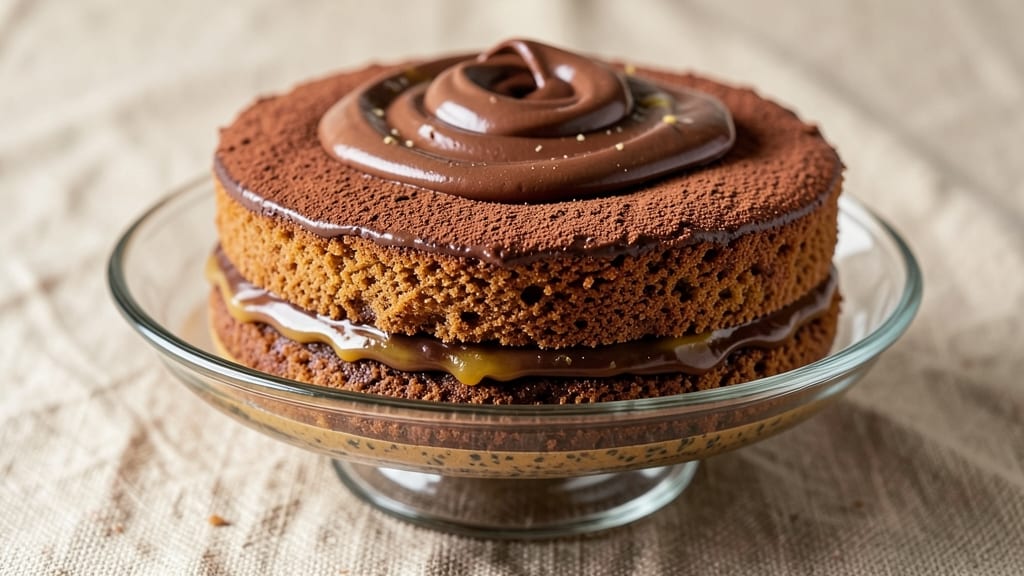
This gluten-free chocolate cake delivers restaurant-quality moisture without dryness, all thanks to cassava flour’s secret texture magic. 💛 The fine, starchy flour creates a tender crumb that holds up to rich cocoa, while flax eggs and coconut oil keep it luscious without eggs or dairy.
I’ve perfected this recipe after years of testing—no gummy layers or dense bites here.
The beauty of cassava flour lies in its ability to absorb liquid without adding gluten, resulting in a cake that’s naturally moist and perfectly sliceable. Unlike almond flour, it doesn’t leave a nutty aftertaste, making it ideal for pure chocolate flavor.
This recipe also calls for simple swaps like applesauce or mashed banana for extra richness, ensuring every bite is decadent yet guilt-free.
What you’ll end up with is a gluten-free chocolate cake that’s so tender it practically melts in your mouth—no crumbly texture in sight. The cocoa-infused batter yields a deep, velvety crumb with a subtle caramelized edge when baked just right.
Top it with powdered sugar, fresh berries, or a dusting of cocoa powder for that final touch of elegance.
Perfect for vegan diets, gluten sensitivities, or anyone craving a cake that’s both indulgent and balanced. The best part? It bakes in one bowl with minimal effort, making it ideal for weeknight desserts or special occasions alike. Let’s get baking!
Ingredients for cassava flour chocolate cake
Nine simple ingredients transform into a decadent gluten-free chocolate cake that’s moist and tender.
| Ingredient | Amount | Notes |
|---|---|---|
| Cassava Flour 🌾 | 2 cups | Fine texture, gluten-free base |
| Unsweetened Cocoa Powder 🍫 | ¾ cup | Natural, Dutch-process preferred |
| Granulated Sugar 🍚 | 1 ½ cups | Or coconut sugar for refined-free |
| Ground Flaxseed 🌱 | ½ cup | For flax eggs, freshly ground |
| Coconut Oil 🥥 | ¾ cup | Melted, full-fat for richness |
| Vanilla Extract 🌿 | 1 tbsp | Pure, no alcohol needed |
| Almond Milk 🥛 | 1 cup | Unsweetened, room temperature |
| Apple Cider Vinegar 🍎 | 1 tbsp | For flax egg activation |
| Baking Soda 🧂 | ½ tsp | Aluminum-free preferred |
| Salt 🧂 | ¼ tsp | Fine sea salt |
| Powdered Sugar 🍚 | ½ cup | For dusting, optional |
| Fresh Raspberries 🍓 | 1 cup | Or strawberries, for topping |
Cassava flour is the secret weapon here—Bob’s Red Mill has the best fine-ground version, but any gluten-free brand works. Look for cassava flour labeled ‘fine’ or ‘superfine’ to avoid grittiness. The cocoa powder should be natural or Dutch-processed—avoid the ‘cocoa mix’ with sugar added. For the flax eggs, grind your own flaxseeds right before mixing—pre-ground loses potency fast. If you’re short on time, Bob’s Red Mill ground flaxseed works too. The coconut oil needs to be fully melted (microwave 40 seconds) but not hot—just warm to the touch.
No almond milk? Oat or soy milk works just as well—just use unsweetened. Fresh raspberries not in season? Frozen berries work too, just thaw and pat dry. The sugar can be swapped for maple syrup or agave—reduce other liquids by 2 tbsp if doing this. For extra richness, add 2 tbsp of nut butter to the batter. The apple cider vinegar is non-negotiable—it activates the flax eggs properly. Skip it, and your cake might turn out dense. Store-bought vanilla extract is fine, but homemade vanilla bean paste takes it to the next level.
This cake keeps beautifully—3 days in an airtight container at room temperature, or 1 week in the fridge. For longer storage, wrap tightly and freeze for up to 3 months. The best part? It tastes even better the next day as the flavors meld. I always bake two 9-inch rounds—one for now, one for later. The powdered sugar topping is optional but adds that restaurant-quality finish. Serve with a dollop of vegan whipped cream if you’re feeling fancy.
Why You'll Love This Recipe
- No Mixer Needed: Mixing this batter is a breeze—just whisk the cassava flour, cocoa, and flaxseed eggs until smooth. No stand mixer, no fuss, just a fork and a bowl. (Yes, even when I’m in a hurry.)
- Rich Without Guilt: The cocoa and coconut oil give it that deep, fudgy flavor, but the cassava flour keeps it lighter than traditional cake. Honestly, I didn’t miss the butter or eggs one bit.
- Weeknight Crowd-Pleaser: This cake bakes in one pan, feeds 8-10, and stays moist for days. I’ve taken it to book clubs, potlucks, and even my mom’s house—no one’s ever questioned the ingredients.
- Budget-Friendly Indulgence: Cassava flour and cocoa stretch farther than all-purpose flour, and flaxseed eggs cut costs without sacrificing richness. My wallet and my taste buds win. (Between us, this is my go-to dessert when I’m broke but craving cake.)
Step-by-step instructions for gluten-free chocolate cake
Here's how to bake a rich, moist chocolate cake using cassava flour—no dryness, no crumbs.
👨🍳 Step 1: Make the Flax Eggs and Activate the Baking Soda
In a small bowl, whisk together the 0.5 cup ground flaxseed with the 1 cup almond milk. Let it sit for 5 minutes—you'll see it thicken into a gel-like consistency. This is your flax egg, the secret to binding the cake without gluten.
In another tiny bowl, mix the 0.5 tsp baking soda with the 1 tbsp apple cider vinegar. It'll fizz immediately—that's the reaction creating lift in your cake. Set both mixtures aside while you prep the rest.
🍳 Step 2: Melt Coconut Oil and Mix Wet Ingredients
Gently warm the 0.75 cup coconut oil in a microwave-safe bowl for 20-30 seconds until just melted (not hot). Let it cool slightly, then whisk in the 1.5 cups granulated sugar, 1 tbsp vanilla extract, and the flax egg mixture until smooth.
This step is crucial—melted coconut oil should be warm enough to blend but not so hot it cooks the eggs. The mixture should look like thick pudding, with no streaks of oil remaining.
👨🍳 Step 3: Combine Dry Ingredients and Fold Gently
In a large bowl, sift together the 2 cups cassava flour, 0.75 cup unsweetened cocoa powder, 0.25 tsp salt, and the baking soda-vinegar mixture. Whisk until completely smooth—no lumps allowed.
Gradually pour the wet ingredients into the dry ingredients, folding with a spatula until just combined. Overmixing develops gluten-like properties in cassava flour, so stop when the batter looks thick and slightly streaky. The batter will be thinner than traditional cake batter—this is normal!
🔥 Step 4: Bake Until Springy and Moist
Preheat your oven to 350°F and grease two 8-inch round cake pans (or line with parchment paper). Divide the batter evenly between the pans. Bake for 30-35 minutes until a toothpick inserted in the center comes out with moist crumbs (not wet batter).
Here's the thing—cassava flour cakes can dry out if overbaked. You want the top to be set but still slightly shiny, with a springy texture when pressed gently. If the edges brown too quickly, cover loosely with foil after 20 minutes.
⏰ Step 5: Cool and Add Fresh Raspberries
Let the cakes cool in their pans for 10 minutes, then transfer to a wire rack to cool completely. While they cool, wash and pat dry the 1 cup fresh raspberries. You can leave them whole or gently press some to create a raspberry coulis for filling.
Once completely cooled, layer the cakes with a thin layer of raspberry coulis (if using) and the 0.5 cup powdered sugar dusted on top. Slice and serve—each bite should be rich, moist, and perfectly balanced with tart raspberries.
Pro Tips For Making Cassava Flour Chocolate Cake
- WHISK THE FLAXSEED FIRST: Mix the ground flaxseed with water before adding any other wet ingredients—this guarantees a smooth batter without clumps. I learned this the hard way when my first batch had weird texture pockets from dry flaxseed sneaking in.
- MELT THE COCONUT OIL COOL: Warm the coconut oil until just liquid (about 90 seconds in the microwave), then let it sit for 2 minutes before mixing. Cold oil makes the batter seize, and fully melted oil can turn your cake greasy—neither is ideal.
- SIFT THE COCOA POWDER: Sift the unsweetened cocoa powder twice to avoid lumps that turn into dense pockets in your cake. Yes, it’s extra work, but your future self will notice the difference when every bite is velvety, not gritty.
- BAKE UNTIL SPRINGY: Check doneness at 325°F (163°C) by pressing the center—it should bounce back slowly, not sink. Cassava flour cakes can look set before they’re fully cooked; resist the urge to pull it early, or you’ll end up with a gummy center.
Common mistakes when making this dish
Overmixing the Batter
Cassava flour behaves differently than wheat flour—it develops a sticky, gluten-like texture when overmixed. I’ve seen cakes turn out gummy or dense when people whisk the batter for too long. Stop folding once the batter looks thick and slightly streaky.
Use a spatula to gently combine ingredients, and resist the urge to overwork it. The batter will naturally thicken as it bakes, so don’t worry if it looks thinner than traditional cake batter. 💛
Skipping the Flax Egg Rest
The flax egg mixture needs that 5-minute rest to properly thicken and bind. I once rushed this step and ended up with a cake that crumbled apart when sliced.
The gel-like consistency is crucial for structure. If you’re in a hurry, set a timer—it’s worth the wait for that perfect texture.
Using Cold Coconut Oil
Cold coconut oil won’t melt evenly into the batter, leading to greasy pockets and uneven texture. Always warm it just until melted—about 20-30 seconds in the microwave—and let it cool slightly before mixing.
Test it by touching the bowl: it should feel warm but not hot to the touch. This ensures smooth incorporation without cooking the flax eggs.
Overbaking the Cake
Cassava flour cakes dry out quickly if baked too long. The moment the toothpick comes out with moist crumbs (not wet batter), it’s done—usually around 30-35 minutes. I’ve ruined cakes by baking them an extra 5 minutes, turning them dry and crumbly.
If the edges brown too fast, cover loosely with foil after 20 minutes to protect the center while allowing the top to set.
Ignoring the Vinegar
The apple cider vinegar activates the baking soda, creating lift in the cake. Without it, your cake might turn out dense and flat. I’ve tested this recipe both ways, and the difference is noticeable.
Mix the vinegar with baking soda immediately before combining with other ingredients—it fizzes right away, signaling it’s working.
Wrong Pan Size
Using pans that are too large or too small throws off the bake time and texture. Stick to 8-inch round pans for this recipe. If you only have 9-inch pans, reduce the oven temperature to 325°F and bake for 35-40 minutes.
The cake needs room to rise properly—too much pan space causes spreading, while too little causes doming or underbaking.
Nutrition facts
Frequently asked questions
Can I substitute cassava flour for regular flour in chocolate cake?
Not directly—cassava flour lacks gluten, so it won’t provide the same structure. This recipe uses cassava flour specifically for its fine texture and moisture-retaining properties. For a 1:1 swap, you’d need to add 1 tsp xanthan gum per cup of cassava flour to mimic gluten’s binding effect. However, the flavor and texture won’t be identical.
Why does my cassava flour cake turn out dense?
Overmixing or skipping the 5-minute flax egg rest are common culprits. Cassava flour develops a sticky texture when overworked, and unactivated flax eggs can’t properly bind. Also, ensure your coconut oil is melted but not hot—cold oil creates greasy pockets. Always bake until a toothpick comes out with moist crumbs (not wet batter).
How do I make this cake vegan without flax eggs?
Try a chia egg (1 tbsp chia seeds + 3 tbsp water, rested 10 minutes) or aquafaba (3 tbsp chickpea brine, whipped to stiff peaks). Both work, but flax eggs provide the best texture. For extra moisture, reduce almond milk by 2 tbsp—chia eggs absorb more liquid than flax. Test your oven’s heat with a thermometer if results vary.
Can I bake this in a bundt pan instead?
Yes, but reduce oven temp to 325°F and bake for 40-45 minutes. Bundt pans bake slower due to their shape. Grease thoroughly with coconut oil and dust with cocoa powder to prevent sticking. The cake will have a denser center but still maintain its moist texture. For best results, use a pan no larger than 10 cups capacity.
What’s the secret to keeping this cake moist for days?
Store it in an airtight container with a slice of bread or a damp paper towel to retain moisture. For longer storage, wrap each layer in plastic wrap before assembling. Reheat slices in a 250°F oven for 5 minutes—this reactivates the starches in cassava flour. Avoid refrigerating for short-term storage (it dries out faster).