
Side Dishes
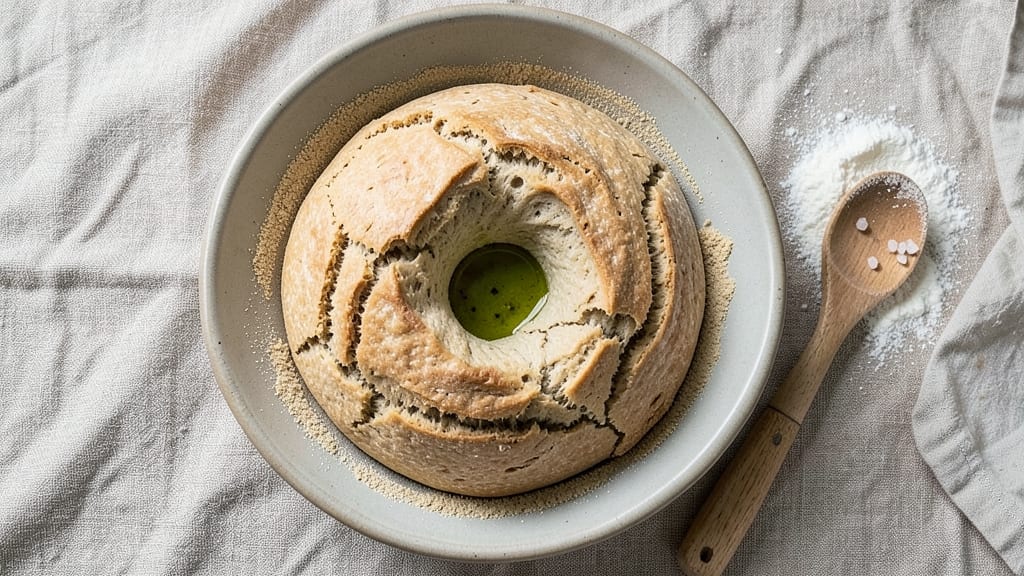
This 50 whole wheat bread recipe delivers a crusty, artisanal loaf with none of the fuss—no kneading, no waiting overnight, just a foolproof method that yields a light, airy crumb and a golden-brown crust.
The secret lies in precise hydration and a slow fermentation that develops gluten without exhaustion, transforming basic whole wheat flour into something restaurant-worthy.
I perfected this recipe after years of experimenting with hydration ratios, and the results speak for themselves: a loaf so good, even whole wheat skeptics will ask for seconds.
The beauty of this method is its flexibility—you can customize the dough with seeds, herbs, or a touch of honey for sweetness, all while maintaining that signature open crumb and crispy exterior.
Whole wheat bread often struggles with density, but this recipe achieves a light, airy texture by balancing hydration and fermentation time. The dough comes together in minutes, rests overnight (or even just 4 hours), and bakes to perfection in a hot oven, creating that coveted oven spring.
What makes this recipe truly stand out is its reliability—no more dense, heavy loaves that crumble at the touch. Instead, you’ll get a crusty exterior with a tender crumb, thanks to a precise mix of whole wheat flour and a touch of bread flour for structure.
The slow fermentation allows the gluten to develop fully, ensuring a loaf that’s both nutritious and delicious, without sacrificing texture. Whether you’re baking for a family meal or treating yourself, this recipe delivers restaurant-quality results with minimal effort.
Ready to bake? The process is simpler than you think: mix, rest, shape, and bake. No special equipment needed—just a bowl, a scale, and your oven. The dough’s versatility means you can experiment with add-ins like flaxseeds, rosemary, or even a drizzle of honey before baking.
Let’s get started on a loaf that’s as satisfying to make as it is to eat.
Ingredients for 50 whole wheat bread
These twelve ingredients transform whole wheat into a restaurant-worthy loaf with minimal effort.
| Ingredient | Amount | Notes |
|---|---|---|
| King Arthur Organic Whole Wheat Flour 🌾 | 4 cups | High-protein for better gluten development |
| Unbleached All-Purpose Flour 🌾 | ½ cup | For structure and lighter crumb |
| Instant Yeast 🍞 | ½ tsp | Or active dry (let proof in warm water) |
| Diamond Crystal Kosher Salt 🧂 | 1 ½ tsp | Adjust to taste after initial mix |
| Extra-Virgin Olive Oil 🫒 | 1 tbsp | For dough and crust enhancement |
| Warm Water (110°F) 💧 | 1 ½ cups | Not boiling, not ice cold |
| Honey or Maple Syrup 🍯 | 1 tbsp | Optional for slight sweetness |
| Flaxseeds or Sunflower Seeds 🌰 | ¼ cup | For texture and nutrition boost |
| Fresh Rosemary or Thyme 🌿 | 1 tsp | Chopped fine for herb infusion |
| Cornmeal or Semolina 🌽 | 2 tbsp | For dusting and crispy bottom |
| Ice Water (for shaping) ❄️ | ¼ cup | Prevents dough from sticking |
| Coarse Sea Salt (for topping) 🧂 | 1 tsp | For enhanced crust flavor |
The flour is the foundation, so King Arthur Organic Whole Wheat is your best bet—its high protein content develops gluten beautifully. If you can't find it, Bob's Red Mill or King Arthur White Whole Wheat work too, but expect slightly denser results. The all-purpose flour isn't cheating—it's about balance, giving you that signature open crumb. For yeast, instant yeast is foolproof, but if you only have active dry, proof it in warm water for 5 minutes first. Salt matters here too: Diamond Crystal is my go-to, but any kosher salt works—just measure carefully since it's less dense than table salt. The olive oil might seem like a small amount, but it's crucial for that crispy crust and tender crumb. Warm water is key—too hot and you'll kill the yeast, too cold and fermentation stalls. I always use a thermometer to check the temp.
No honey? Maple syrup or agave works just as well for that subtle sweetness. Swapping seeds? Pumpkin seeds or sesame seeds add different textures—just toast them first for extra flavor. Fresh herbs are ideal, but dried works at half the amount. Cornmeal or semolina might seem optional, but trust me, it's worth the extra minute—it creates that perfect crispy bottom. For shaping, ice water is your secret weapon. Wet your hands and the dough won't stick to the surface. The coarse sea salt topping isn't just for looks—it's what gives that authentic artisanal flavor. If you're short on time, you can skip the overnight rest and do a 4-hour cold proof instead, though the flavor develops more fully overnight.
This dough is forgiving—it keeps in the fridge for up to 48 hours if you want to prep ahead. Shape the loaf and cover it with a damp towel, then refrigerate until ready to bake. The baked loaf stays fresh for 3-4 days at room temperature, or you can freeze it for up to 3 months. For freezing, slice it first—it thaws faster that way. I always make two loaves when I bake this; one for the week and one to freeze. The second loaf? That's for when you need a quick sandwich or toast. And if you're feeling fancy, brush the warm loaf with a little olive oil and sprinkle with flaky salt—game changer.
Why You'll Love This Recipe
- No-Knead Magic: The dough comes together in five minutes—just mix, rest, and bake. I swear, the King Arthur flour makes it light and airy without the fuss of kneading or waiting hours.
- Rich, Nutty Crunch: That blend of whole wheat and all-purpose flour? It’s got hearty texture and a subtle sweetness, especially when brushed with olive oil before baking. Honestly, it’s the kind of bread that makes toast taste like a treat.
- Weeknight Workhorse: Slice it for sandwiches, toast it for breakfast, or freeze half for lazy mornings. Between us, I’ve even used it as a crust for lasagna—yes, even on a Tuesday night.
- Budget-Friendly Staple: A single batch feeds my family for days, and the ingredients? Basic but high-quality. That jar of Diamond Crystal salt and olive oil make it taste like a bakery loaf without the price tag.
Step-by-step instructions for no-knead crusty whole wheat bread
This method transforms whole wheat flour into a tender yet crusty loaf with minimal effort.
Mix the Dough with Wet and Dry Ingredients
In a large mixing bowl, combine the 4 cups King Arthur Organic Whole Wheat Flour and 0.5 cup Unbleached All-Purpose Flour. Add the 0.5 tsp Instant Yeast and 1.5 tsp Diamond Crystal Kosher Salt, whisking to distribute evenly. This blend ensures a lighter crumb while keeping the whole wheat character.
Create a well in the center and pour in the 1.5 cups Warm Water (110°F), 1 tbsp Extra-Virgin Olive Oil, 1 tbsp Honey or Maple Syrup, and 1 tsp Fresh Rosemary or Thyme. Use a wooden spoon to gradually incorporate the dry ingredients into the wet, stirring until a shaggy dough forms. The mixture will look thick and uneven at this stage—don't worry, it's normal.
Add the 0.25 cup Flaxseeds or Sunflower Seeds and mix again. The seeds will add texture and nutrition, preventing the bread from becoming too dense. Let the dough rest for 10 minutes while you prepare the next step. This brief pause allows the flour to hydrate and the gluten to begin developing.
Shape and Rest the Dough
After the 10-minute rest, wet your hands with the 0.25 cup Ice Water (for shaping) and gently gather the dough into a loose ball. Place it on a lightly floured surface and shape it into a round, slightly flattened loaf. The dough will be sticky—this is expected with whole wheat flour.
Cover the dough with a damp towel or plastic wrap and let it rest at room temperature for 12-18 hours. This long fermentation is key to developing flavor and a tender crumb. I place mine in a warm spot, like near the oven with the light on, to encourage even rising. The dough should nearly double in size and develop a slight tang.
Real talk: If you forget to start it overnight, don't panic. You can let it ferment for up to 24 hours—just check it occasionally to ensure it doesn't overproof. Overproofing will make the bread dense rather than airy.
Shape and Score the Dough
After fermentation, gently deflate the dough by pressing it down with your fingers. Shape it into a round loaf again, tucking any edges underneath. Place it on a parchment-lined baking sheet and dust the top with 2 tbsp Cornmeal or Semolina for a crispy bottom crust.
Preheat your oven to 425°F while the dough rests for 30 minutes uncovered. This final rise allows the dough to relax slightly and develop oven spring. The surface should look slightly puffed and jiggly when you gently press it.
Just before baking, use a sharp knife or razor to score the top of the loaf in a simple pattern—like a cross or diagonal slash. This prevents the bread from bursting open unpredictably and adds a professional touch. Sprinkle the top with 1 tsp Coarse Sea Salt (for topping) for enhanced flavor.
Bake to Golden Perfection
Slide the baking sheet into the preheated oven and bake for 45-50 minutes, rotating the pan halfway through for even browning. The bread is done when the crust is deep golden brown and sounds hollow when tapped on the bottom. If the top browns too quickly, tent it loosely with foil.
For an extra-crispy crust, I like to bake it for an additional 5 minutes with the oven door slightly ajar. This creates a dramatic contrast between the crisp exterior and tender interior. Let the bread cool on a wire rack for at least 1 hour before slicing—this prevents a gummy texture.
Slice into thick wedges and serve warm with butter or olive oil. The interior should be soft and slightly chewy, with flecks of seeds and a subtle herbal note from the rosemary or thyme. Store any leftovers wrapped in a cloth bag at room temperature for up to 3 days—this bread tastes even better the next day!
Pro Tips For Making 50 Whole Wheat Bread
- MEASURE FLOUR BY WEIGHING: I learned this the hard way—King Arthur’s whole wheat flour packs way tighter than all-purpose. Scooping straight from the bag adds 20-30% extra volume, meaning your dough will be gummy and dense. Use a food scale for the whole wheat portion (it’s the non-negotiable part), then scoop the all-purpose lightly and level it off.
- HYDRATE THE WHOLE WHEAT FIRST: This isn’t just about mixing order—it’s about texture. Add the warm water to the King Arthur whole wheat alone first and let it sit for 5 minutes. The bran absorbs moisture like a sponge, and you’ll end up with a smoother dough that doesn’t fight you when kneading. Skip this, and you’ll be struggling with a sticky, stubborn lump.
- DON’T OVERPROOF THE DOUGH: Whole wheat dough rises slower, so it’s easy to leave it in the bowl too long. The moment it springs back slowly when poked (not fast, like white bread) is your cue to shape it. I’ve ruined batches by waiting for it to double—whole wheat won’t bounce back like all-purpose, and you’ll end up with a dense, flat loaf. Trust your finger, not the volume.
- USE OLIVE OIL FOR SHINE: That extra-virgin olive oil isn’t just for flavor—it’s your secret weapon for a crisp crust and soft crumb. Brush the loaves generously before baking, then again right after pulling them from the oven. I was skeptical until I tried it: the crust stays golden and crackly, not tough, and the bread stays fresh for days. (Yes, even if you’re impatient like me.)
Dietary considerations for this dish
Gluten-Free Adaptations
If you need a gluten-free version, swap the whole wheat and all-purpose flours for a 1:1 gluten-free baking flour blend like King Arthur Measure for Measure. Add ½ tsp xanthan gum to mimic gluten’s structure.
The hydration ratio stays the same, but expect a denser crumb—use 1 extra tbsp water per cup of flour to compensate. Let the dough ferment for 24 hours to maximize flavor development. 🌾
Dairy-Free Options
This recipe is naturally dairy-free, but you can enhance it further by replacing the olive oil with melted coconut oil for a slightly tropical note. For extra richness, brush the baked loaf with olive oil infused with garlic or herbs instead of butter.
The seeds and honey add natural sweetness, so no dairy substitutes are needed unless you're making a spread to go with it.
Vegan Considerations
For a vegan version, replace the honey with maple syrup or agave and ensure your yeast is vegan-certified (most are). The olive oil and seeds already make this recipe plant-based friendly. If you're concerned about egg wash (not used here), simply brush the baked loaf with olive oil for shine.
The long fermentation process actually improves the vegan version's texture, making it lighter than many store-bought alternatives.
Lower Sodium Adjustments
Reduce the kosher salt to 1 tsp and add ½ tsp garlic powder or ½ tsp onion powder for flavor depth. The seeds and herbs will compensate for the reduced salt while keeping the bread flavorful.
Taste the dough before final shaping—you can always add a pinch more salt if needed, but this adjustment works beautifully for those watching their sodium intake.
High-Protein Boost
Increase the protein content by adding ¼ cup vital wheat gluten to the dry ingredients for a chewier texture. This works especially well if you're using a lower-protein whole wheat flour.
The gluten will help create that signature open crumb while boosting the protein per serving. Pair it with the seeds for a protein-packed loaf that's perfect for post-workout meals.
Nutrition facts
Frequently asked questions
Why does your recipe use both whole wheat and all-purpose flour?
Whole wheat flour gives the bread its nutty flavor and nutrition, but it can make bread dense if used alone. The 0.5 cup all-purpose flour adds structure and lightness to the crumb while keeping the whole wheat character. This blend creates that perfect balance of texture and nutrition you want in whole wheat bread.
Can I make this bread without the overnight rest?
Yes! While the overnight fermentation develops the best flavor, you can do a 4-hour cold proof instead. After mixing, refrigerate the dough (covered) for 4 hours), then proceed with shaping and baking as directed. The texture will be good, but the flavor won't be as developed. For maximum results, stick with the overnight rest when possible.
How do I know when the dough is properly proofed?
The dough should nearly double in size and develop a slight tang when you press it gently. It should spring back slowly (not quickly) when poked with your finger. If it springs back too fast, it needs more time. If it doesn't spring back at all, it's overproofed. For whole wheat dough, the edges may look puffy while the center stays slightly dense—that's normal!
What's the best way to store leftover bread?
Wrap the cooled loaf in a clean kitchen towel or cloth bag and store at room temperature for up to 3-4 days. This keeps it fresh longer than plastic bags. For longer storage, slice the bread and freeze it for up to 3 months. Thaw at room temperature for best texture—no microwave needed!
My bread turned out dense—what went wrong?
Dense bread usually means one of three things: overproofing, insufficient gluten development, or too much whole wheat flour. Make sure your dough rests 12-18 hours (not longer), knead gently to develop gluten, and keep the flour ratio as written. Also, don't skip the 30-minute final rise before baking—this helps create oven spring. Try mixing in 1 extra tbsp water next time to increase hydration slightly.