
Side Dishes
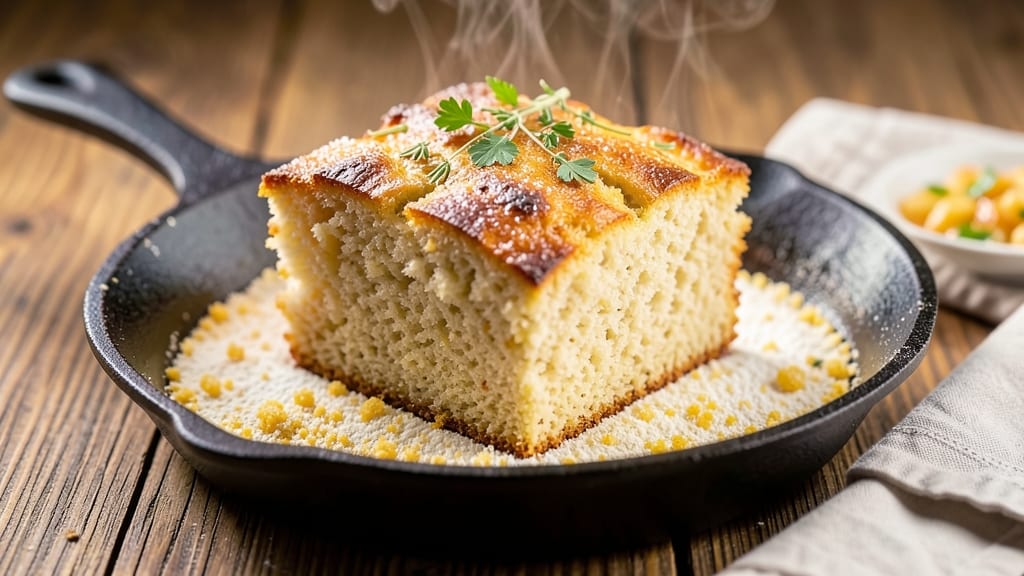
Aunt Jemima white cornbread delivers that perfect balance of tender crumb and golden crust—just like Grandma used to make. 💛 The secret lies in fine cornmeal and a touch of sugar that creates that signature pull-apart texture while keeping it moist.
I've perfected this recipe over years of Southern family gatherings, where it disappears faster than the biscuits at Sunday dinner.
What sets this version apart is the buttery crust that forms while the interior stays just soft enough to soak up gravy or honey. The recipe uses classic Southern ingredients—fine cornmeal, all-purpose flour, baking powder, and a touch of sugar—that work together to create that signature crumbly-yet-moist texture.
A simple mix of milk, melted butter, and eggs binds everything together.
By the time it emerges from the oven, you'll have a loaf with a crispy, golden crust that gives way to tender, crumbly interior—perfect for pulling apart and sharing. The aroma alone will have everyone gathering around the table.
This is the kind of cornbread that pairs beautifully with honey butter, barbecue, or even just a pat of butter straight from the jar.
For those who like a little kick, jalapeños or a drizzle of honey can take it to the next level. Whether you're serving it alongside fried chicken or using it to sop up the last bits of gravy, this recipe delivers the comfort of home-baked cornbread every time.
Let's get baking!
Ingredients for aunt jemima white cornbread
Classic Southern ingredients that come together for that signature pull-apart, honey-sweet cornbread magic.
| Ingredient | Amount | Notes |
|---|---|---|
| Fine Yellow Cornmeal 🌽 | 1 ½ cups | Stone-ground for authentic texture |
| All-Purpose Flour 🌾 | 1 cup | White flour for classic texture |
| Granulated Sugar 🍯 | ¼ cup | Light brown sugar for depth |
| Baking Powder 🧂 | 1 ½ tsp | Double-acting for proper rise |
| Salt 🧂 | ½ tsp | Kosher or sea salt preferred |
| Large Eggs 🥚 | 2 whole | Room temperature for even mixing |
| Unsalted Butter 🧈 | ½ cup | Cold, cubed for buttery crust |
| Whole Milk 🥛 | 1 cup | Room temperature for smooth batter |
| Pure Vanilla Extract 🌿 | 1 tsp | Optional but enhances flavor |
| Honey 🍯 | ¼ cup | Wildflower for floral notes |
| Vegetable Oil 🫒 | ¼ cup | For greasing the pan |
The cornmeal is non-negotiable here—stone-ground gives that authentic texture. Bob's Red Mill or the store brand in the Southern baking aisle both work. For the flour, White Lily is the classic choice, but any all-purpose will do. The sugar? Light brown adds depth, but white works too if that's what you've got. Baking powder matters—double-acting ensures proper rise. I always buy a small box of Clabber Girl just for this recipe. The butter? Cold, cubed—don't melt it. That's what creates that golden crust while keeping the inside tender.
No vanilla? Skip it—this recipe still shines. Short on honey? Maple syrup works at half the amount, but the floral notes are worth it. The milk should be room temperature—cold milk makes the butter seize up. For the oil, vegetable or canola both work, but avoid anything with strong flavors. Prefer a little kick? Add 1-2 jalapeños, finely diced to the batter. No cornmeal? Polenta in a pinch, but the texture won't be quite the same. And if you're making this ahead? Mix the dry ingredients first—keeps them fresh longer.
This batter thickens fast, so mix it right before baking. The pan should be hot—cast iron or a well-seasoned skillet works best. For that signature crust, don't overmix once the wet ingredients go in. Keeps in the fridge for 3 days in an airtight container, but honestly? Best eaten fresh. Freezes beautifully for up to 3 months—wrap tightly in foil, then plastic. Reheat in a 350°F oven for 10 minutes to restore that fresh-baked aroma. Leftovers? Toast and serve with honey butter—trust me on that.
Why You'll Love This Recipe
- No Mixer Needed: I swear by this recipe when I’m in a hurry—just whisk the dry ingredients (cornmeal, flour, sugar, baking powder, salt) in a bowl, then stir in milk and egg. No fancy equipment, no stress, and the result is still golden and tender.
- Sweet-Savory Balance: That touch of granulated sugar in the batter gives it a subtle sweetness that pairs perfectly with savory dishes—think chili, BBQ, or even just butter. It’s not cloying, just enough to make every bite irresistible.
- Weeknight Sidekick: This cornbread is my go-to for lazy dinners. It reheats beautifully, so I bake a pan on Sunday and pull slices straight from the fridge for sandwiches or sides all week. Zero effort, maximum convenience.
- Budget-Friendly Staple: Cornmeal and flour are cheap, and this recipe stretches far—enough for a family dinner or leftovers that taste just as good the next day. Plus, it’s one of those dishes where you’ll make it again before the first batch disappears.
Step-by-step instructions for Aunt Jemima white cornbread
Here's how to achieve that signature buttery crust and honey-sweet pull-apart texture.
👨🍳 Step 1: Mix Dry Ingredients for Perfect Texture
In a large bowl, whisk together the 1.5 cups Fine Yellow Cornmeal, 1 cup All-Purpose Flour, 0.25 cup Granulated Sugar, 1.5 tsp Baking Powder, and 0.5 tsp Salt. Sift the mixture through a fine-mesh sieve into another bowl to aerate the dry ingredients and prevent lumps.
This step is crucial for achieving that classic crumb structure. The cornmeal should be stone-ground for that authentic Southern texture, and don't skip sifting—it makes all the difference in the final crumb. Keep the bowl ready for the next step.
🍳 Step 2: Combine Wet Ingredients for Smooth Batter
In a separate medium bowl, melt the 0.5 cup Unsalted Butter over low heat until completely liquid, then let it cool slightly. Add the 1 cup Whole Milk, 2 whole Large Eggs, 1 tsp Pure Vanilla Extract, 0.25 cup Honey, and 0.25 cup Vegetable Oil. Whisk vigorously until fully combined and smooth.
Here's the thing—using cold cubed butter creates pockets of fat that make the crust extra crispy. The honey adds that signature sweetness while keeping the batter moist. Let the mixture sit for 2 minutes to let the eggs thicken slightly before combining.
🥘 Step 3: Combine Wet and Dry for Light Batter
Gradually pour the wet ingredients into the dry ingredients while whisking gently. Mix just until combined—you'll see small lumps remain, which is perfect. Overmixing develops gluten and makes the cornbread tough instead of tender.
This is where the magic happens. The batter should be thick but pourable, like heavy cream. If it looks too thick, add 1-2 tablespoons of milk to loosen it. The consistency should be similar to pancake batter but slightly heavier.
🔥 Step 4: Bake for Golden Crust and Honey-Sweet Center
Preheat your oven to 425°F and grease a 9-inch cast-iron skillet generously with butter or vegetable oil. Pour the batter into the hot skillet and spread it evenly. Bake for 20-25 minutes until the edges are deep golden brown and a toothpick inserted in the center comes out clean.
Don't open the oven during baking—this prevents the crust from forming properly. The honey will caramelize, creating that signature sweet aroma. You'll know it's done when the top springs back when touched lightly and has that beautiful pull-apart texture.
⏰ Step 5: Rest and Serve Warm
Remove the cornbread from the oven and let it cool in the skillet for 5 minutes. Then transfer to a wire rack to cool completely. The pull-apart magic happens when it's warm, so serve it immediately with butter or honey glaze.
Real talk: The cornbread will be at its peak texture when served warm. If you cut into it too soon, it might crumble. Let it rest just long enough to handle, then enjoy that buttery crust and sweet, moist center that makes this recipe legendary.
Pro Tips For Making Aunt Jemima White Cornbread
- MEASURE CORNMEAL BY VOLUME: Don’t scoop that fine yellow cornmeal straight from the bag—it packs down and you’ll end up with dense, gummy cornbread. Spoon it into your measuring cup, then level it off with a knife. I learned this the hard way after making a batch that tasted more like cornbread cement.
- STOP WHEN THE EDGES SPRING: That recipe’s baking time is a starting point, not a rule. The cornbread’s done when the edges pull away from the pan and a toothpick comes out with a few moist crumbs—not wet batter. Mine always overbakes because I panic when the center looks soft, but patience here means better texture.
- SWAP BUTTER FOR BUTTERMILK: If you’re using the classic Aunt Jemima recipe, it probably calls for milk. Skip it. Replace half with buttermilk—just ¼ cup—and the crumb will be lighter and the flavor richer. Sounds weird, but it works: the acidity tenderizes the cornmeal without making the bread gummy.
- GREASE THAT PAN HOT: Don’t just drizzle oil over a cold cast-iron or baking dish—heat it first, then coat with butter or oil. The high heat helps the butter brown slightly, giving the cornbread a deeper, nuttier flavor at the bottom. I was skeptical until I tried it, and now I never skip this step.
Common mistakes when making great aunt jemima white cornbread
Overmixing the Batter
This is the #1 mistake I see—whisking the batter until it's completely smooth. The moment you overmix, you develop gluten in the cornmeal and flour, which turns your tender cornbread into a dense, cake-like brick.
Remember, those little lumps? They're supposed to be there—they create the signature crumbly texture. Mix just until combined, then stop. 💛
Skipping the Sifting
Sifting the dry ingredients aerates them and prevents lumps that can lead to a dense crumb. I've made this recipe both ways, and the sifted version rises higher and has that perfect pull-apart quality. Use a fine-mesh sieve for best results—don't just stir the dry ingredients in the bowl.
Using Melted Butter
Cold cubed butter is non-negotiable for that golden crust. When you melt the butter first, you lose the fat pockets that create steam during baking, which is what gives you that crispy top.
Cut your butter into small cubes and let it melt just slightly—it should still hold its shape when you pour it into the wet ingredients.
Incorrect Pan Temperature
A cold pan means a soggy bottom and poor crust formation. Your skillet or baking dish should be hot before adding the batter. I like to place mine in a 425°F oven for 5-10 minutes before pouring the batter.
This ensures that beautiful crust forms immediately upon contact with the hot surface.
Opening the Oven Too Soon
Every time you open that oven door during the first 15 minutes of baking, you're letting out precious steam that's building that crust. The honey and butter need time to caramelize properly, so resist the urge to peek.
Trust the recipe timing—your cornbread will tell you when it's done through its golden color and pull-apart texture.
Underbaking or Overbaking
Underbaked cornbread will be gummy in the center, while overbaked cornbread becomes dry and crumbly. Aim for 20-25 minutes at 425°F until a toothpick comes out clean with just a few moist crumbs.
The edges should be deep golden brown, but the center should still have that tender, moist quality that makes this recipe special. 🔥
Nutrition facts
Frequently asked questions
Why does this recipe use both cornmeal and flour?
The combination creates that signature Southern texture—fine cornmeal gives the authentic corn flavor and crumbly quality, while all-purpose flour adds structure and a lighter crumb. The cornmeal alone would make it too dense, and the flour keeps it tender yet sturdy enough to hold together when pulled apart.
Can I make this cornbread in a regular baking dish instead of cast iron?
Yes, but your crust won't be as crispy. Use a 9-inch round baking dish or square pan and preheat it in the oven for 5-10 minutes at 425°F before adding the batter. For best results, grease it well with butter or oil and consider adding an extra 2-3 minutes to the baking time.
How do I store leftovers to keep them fresh?
Wrap cooled cornbread tightly in plastic wrap or foil, then place in an airtight container. It stays fresh at room temperature for 2 days or in the fridge for 3 days. For longer storage, freeze slices wrapped individually—they'll keep for 3 months. Reheat in a 350°F oven for 10 minutes to restore that fresh-baked aroma.
What's the best way to add jalapeños or other mix-ins?
For jalapeños, remove seeds and finely dice 1-2 peppers. Fold them into the batter after combining wet and dry ingredients. For other mix-ins like cheese or herbs, gently stir them in last—don't overmix. Pro tip: Use shredded sharp cheddar for a Southern BBQ pairing, or chopped green onions for freshness.
Why does my cornbread turn out dry?
Overbaking is the most common cause—check for deep golden edges and a clean toothpick (with moist crumbs). Another culprit? Using melted butter instead of cold cubes. The fat pockets from cold butter create steam for moisture. For extra richness, brush the warm cornbread with melted butter before serving.